
The Cold Truth About Two Hot Wellness Trends
Exploring the Benefits and Drawbacks of Saunas and Cold Plunges
It seems like new and increasingly strange wellness practices pop-up on the internet every year. Some of these fads, like juice cleansing, don’t stay popular for long, and others, like the keto diet remain controversial with some healthcare professionals supporting it and others warning against it. Over the past few years, two seemingly opposite wellness trends continue to show up on TikTok influencer’s pages and medical journal articles alike–saunas and cold plunges.
Though the use of saunas has been around for hundreds of years, cold plunges–the act of willingly submerging one’s body in a tub of icy cold water–have recently been gaining traction through testimonials of pop culture icons such as Joe Rogan, Chris Hemsworth, Gwenyth Paltrow and others.
The interest generated by these industries is undeniable, but what’s the truth about the positive short-term and long-term impacts of these practices? Here are some facts and data to help you dive deeper into these trends.
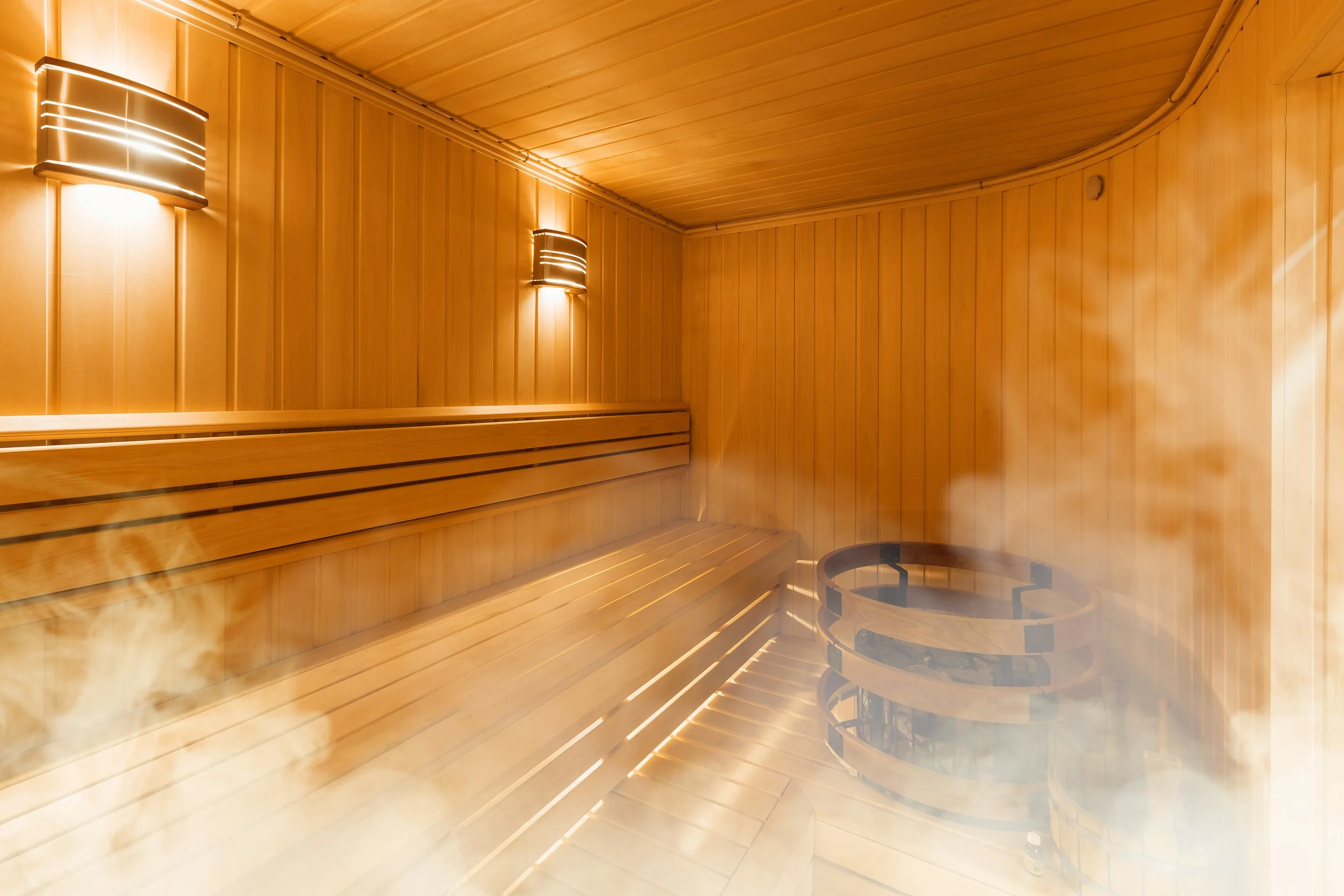
Nearly every culture has some historical example of a sauna. In ancient Nordic communities, saunas were an essential way to warm up during the brutal winters. In Japan, “sweat baths” are housed in caves and often connected to temples and monasteries. Some Native American traditions of “prayer and purification” take place in sweat lodges as well. Historically, saunas have gone in and out of popularity, and many gyms and spas today contain these forms of “heat therapy” for therapeutic reasons and athletic recovery.(1)
A typical sauna session at your local gym or fitness center takes place in a small, wooden room heated to roughly 175°F to 215°F and usually lasts five to 20 minutes. Many users report that a trip to the sauna is excellent for tired and sore muscles, but there may be even greater health benefits as well. According to the Mayo Clinic, studies show that frequent sauna use has positive effects on blood pressure maintenance and reduces risk of cardiovascular disease. Recent studies show a connection between this heat therapy and a reduced risk of memory diseases, though few long term studies have been conducted.(2)
“According to the Mayo Clinic, studies show that frequent sauna use has positive effects on blood pressure maintenance and reduces risk of cardiovascular disease.”
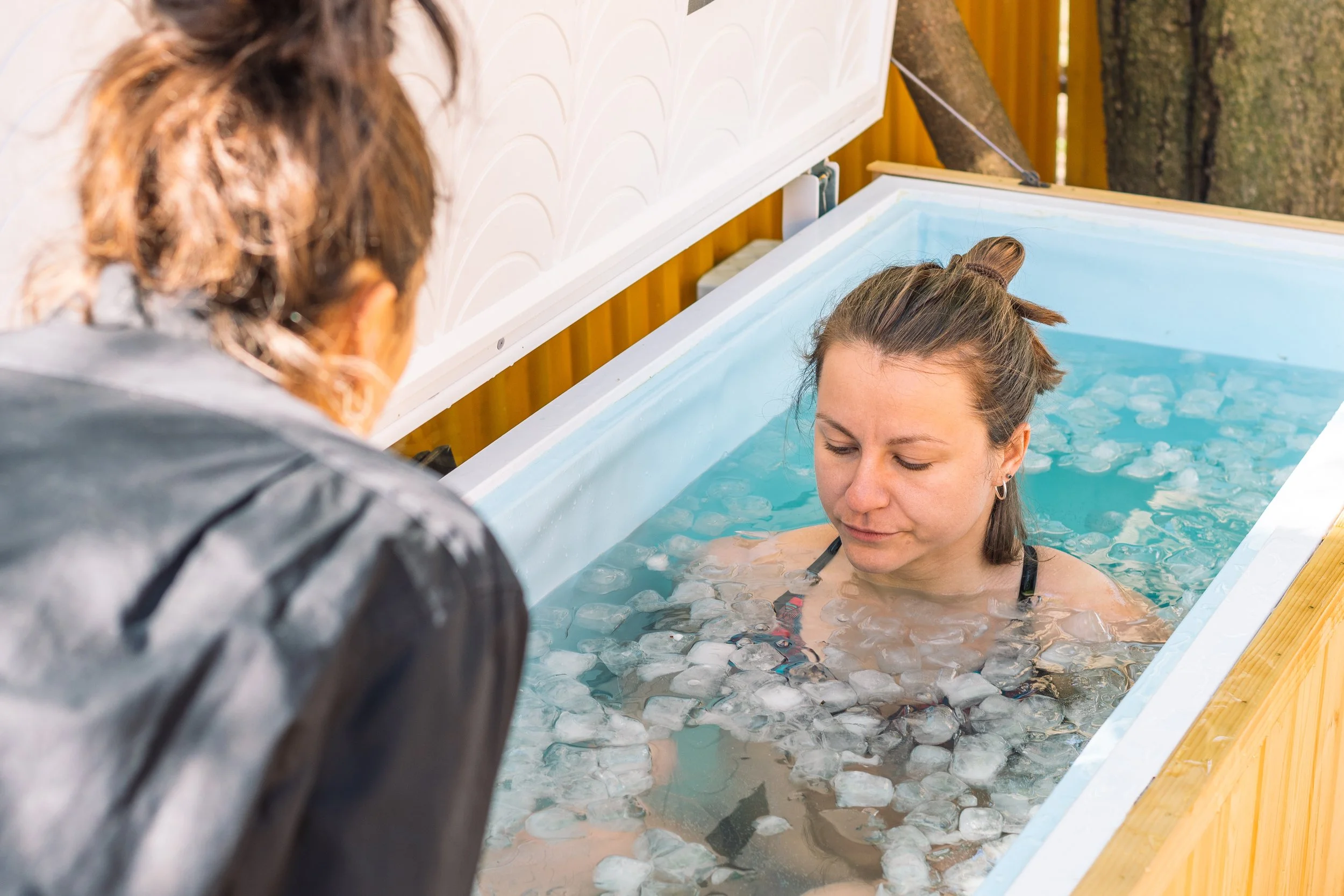
The idea of submerging the body in cold water has been around since the Ancient Greeks utilised it for medical purposes and relaxation. The idea of cold-plunging for exercise recovery, however, is much newer. American athletes began using the practice back in the 1960s, but it did not become mainstream until the 1990s. Only in the last few years have ice baths been used by non-professional athletes for muscle recovery and others for mental clarity and increased energy.(3)
Like saunas, there is some evidence of physical benefits linked to cold plunging in frigid water or ice, though sigthere have been significantly fewer studies conducted on the recent fad. A cold plunge in 50°F water (or colder, if you’re an experienced plunger) usually starts at one minute but can last five to 10 minutes with practice. Research indicates that an ice bath can be effective in reducing exercise-induced muscle damage and inflammation if used immediately after working out. Unfortunately, according to Andrew Jagim, Ph.D. a sports medicine specialist associated with the Mayo Clinic, it may reduce long-term muscle growth and is recommended after endurance training rather than weightlifting. There is also a risk of frostbite and hypothermia associated with this practice, so be sure to use it sparingly and always have dry towels and a change of clothes nearby, especially when doing a cold plunge outdoors.(4)
“Research indicates that an ice bath… may reduce long-term muscle growth and is recommended after endurance training rather than weightlifting. ”
It is popular to alternate quickly between a cold plunge or a cold shower and a sauna to increase blood flow. This is generally considered safe by doctors, though, due to the sudden restriction of arteries, it is not recommended for patients with unstable cardiovascular diseases or cardiac arrhythmias.2
From the TikTok testimonials to the grounded research, it is true that cold plunges and hot saunas can indeed be part of creating a happier, healthier life—but as with anything, listen to your body, ease in gently and consult with the professionals who know best.
Sources:
“The 10,000-year-old origins of the sauna—and why it’s still going strong.” BBC.com
“Cardiovascular and other health benefits of sauna bathing: a review of the evidence.” The Mayo Clinic
“Cold for centuries: a brief history of cryotherapy to improve health, injury and post-excercise recovery.” National Library of Medicine
“Can taking a cold plunge after your workout be beneficial?” The Mayo Clinic
Local Cold and Hot Spots
Adrenaline Body Works offers cold plunge and sauna memberships for $55/mo. per service. The fitness/wellness club is located at 202 Lake Miriam Dr., Unit 126.
Local Gyms that Include Sauna Use with Memberships:
Just Move North Lakeland
Just Move South Lakeland
Crunch Fitness