
Turning Up Aces Across the Globe
Aerospace Curriculum Developed in Lakeland Taking Flight in Classrooms Everywhere
PHOTOS BY JORDAN RANDALL AND PROVIDED BY THE AEROSPACE CENTER FOR EXCELLENCE | DESIGNED BY ELIZABETH PEREZ-LIBRAN
If you would have told Eric Crump two years ago that he and his team at the Aerospace Center for Excellence (ACE) would have developed a curriculum that was being utilized at more than 150 schools in 25 states and in five countries, he would have laughed in your face. Just ask him.
Today, he hopes that curriculum will help pliable middle school students realize that careers in aviation are indeed attainable and that their generation will be instrumental in filling what a recent Boeing study estimates as a need for nearly 650,000 new pilots, 690,000 new maintenance technicians and upwards of 1 million new cabin members in the next 20 years to maintain global commercial fleet.
A two-year curriculum developed by ACE staff is designed to help students understand the vastness of the aviation field—as Crump passionately says, “You don’t have to fly or fix airplanes to work in aviation”—with year one introducing students to major areas of technology and year two diving more specifically into aerospace technology.
Crump notes that almost every type of job exists in some form within the aviation industry, so if you’re into marketing for example, why not find out how you can help promote travel for industry leaders around the globe?
ACE’s in-house team of teachers and volunteers has developed content that aligns with the standards of International Technology and Engineering Educators Association and Next Generation Science Standards and can be utilized for an entire school year and count as an elective credit offering.
“When you work with kids, it’s all about self-identification, right? Can I see myself doing this and if I can, then there’s a pretty high probability I’m gonna pursue it,” says Crump, a lifelong aviation and aerospace lover who started the Polk State College Aerospace program in 2012 and has served as the executive director of ACE since 2022.

“This curriculum really extends us off campus. It lets us get to people literally around the world in a way that we could never expect…[would allow them ] the opportunity to get to our campus.”
One reason the middle school curriculum has already taken flight at such a high altitude is because of the cost: free.
Access to the curriculum requires a Memorandum of Understanding that addresses legalese such as the fact it cannot be edited, sold or distributed, and partner schools also get access to free professional development for teachers using the curriculum.
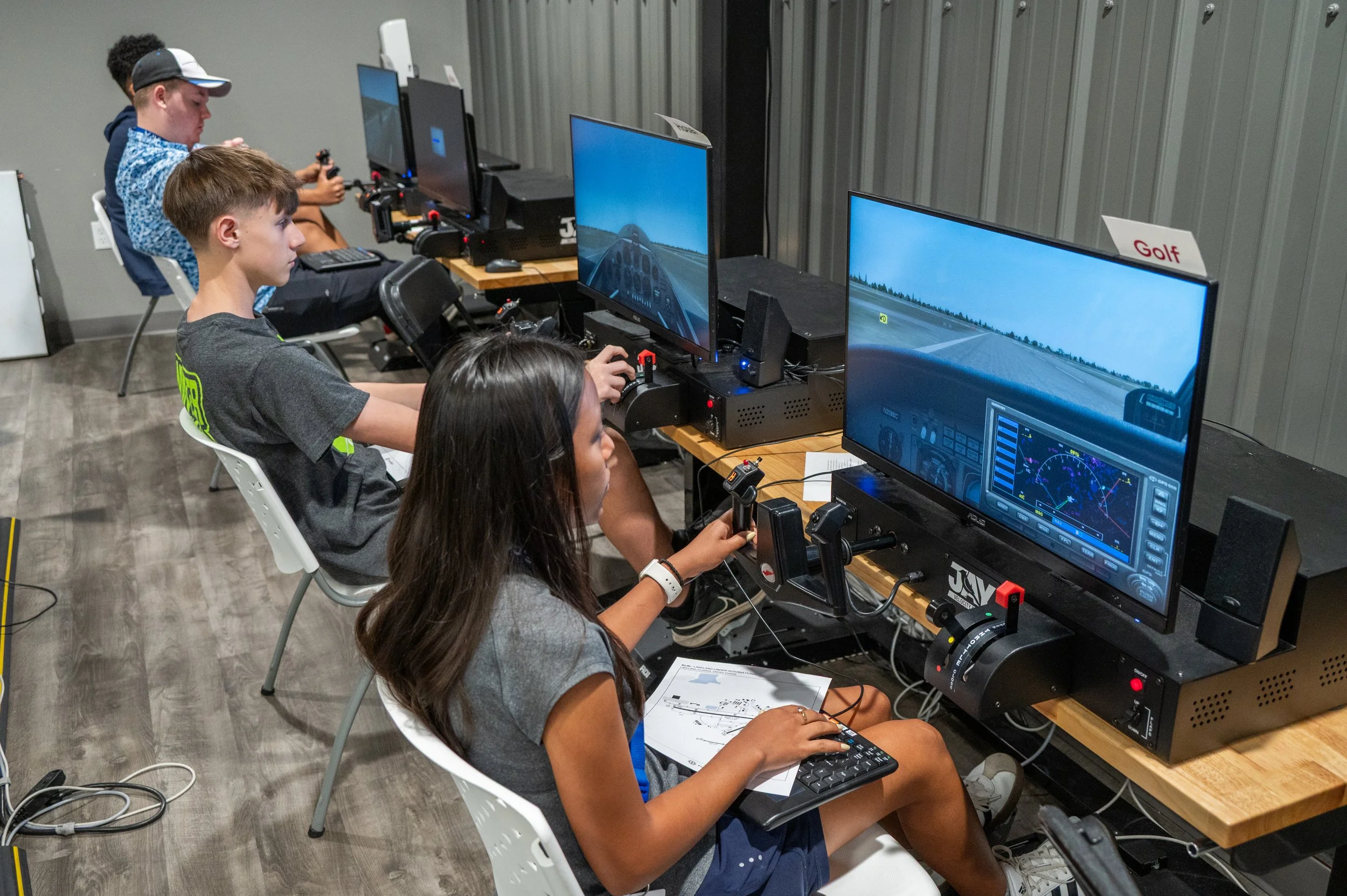
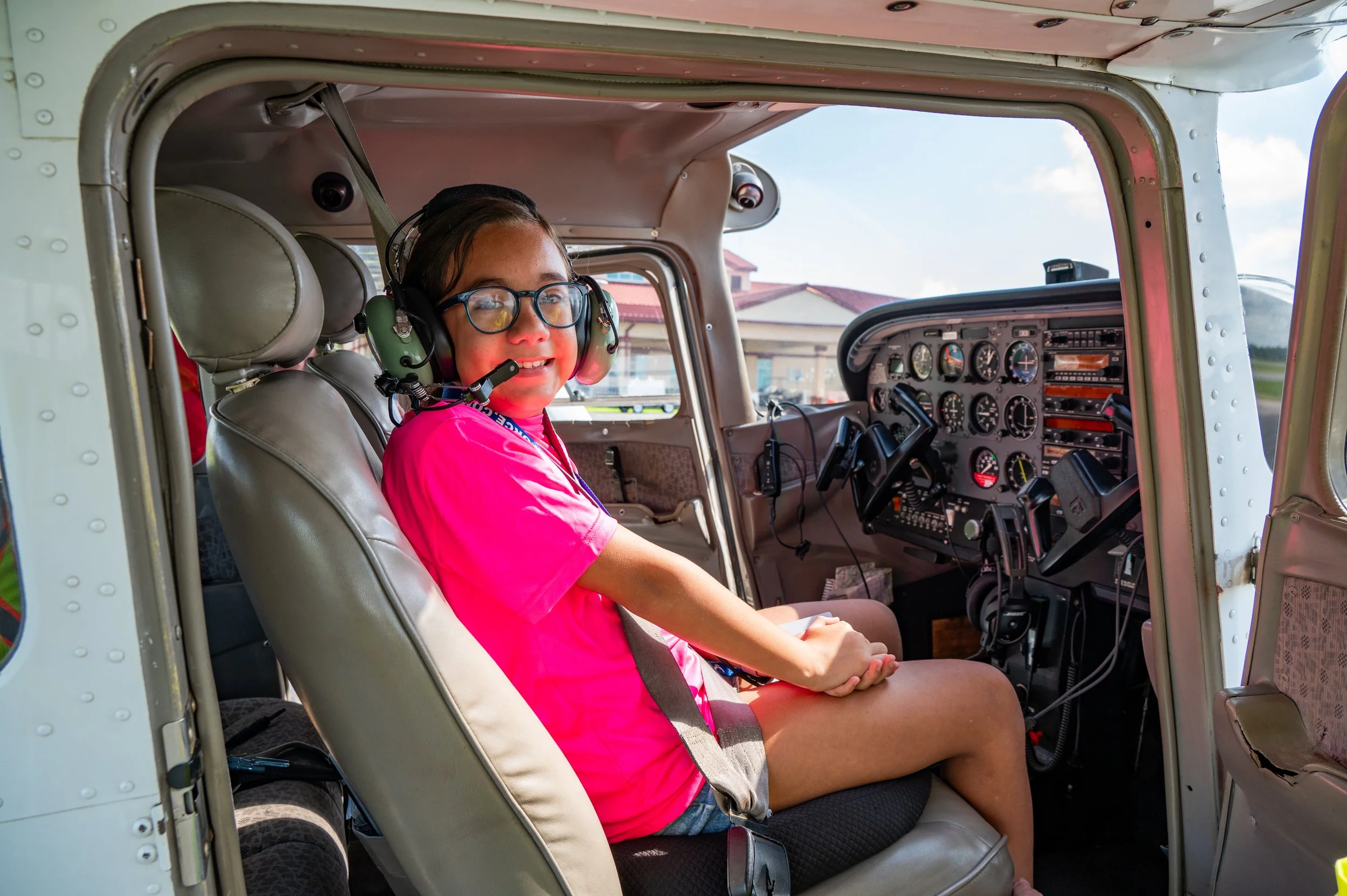
ACE beta tested year one of the curriculum with 20 schools and is now set to roll it out en masse while it has a smaller group beta test the second year of content in the upcoming school year.
“When it comes to aerospace, I think kids look and go, ‘Wow, that looks cool—I could never do that. I hear kids say that all the time,” Crump says. “And there’s a little piece of little Eric who screams out from inside, ‘Fix him! Fix him!’”
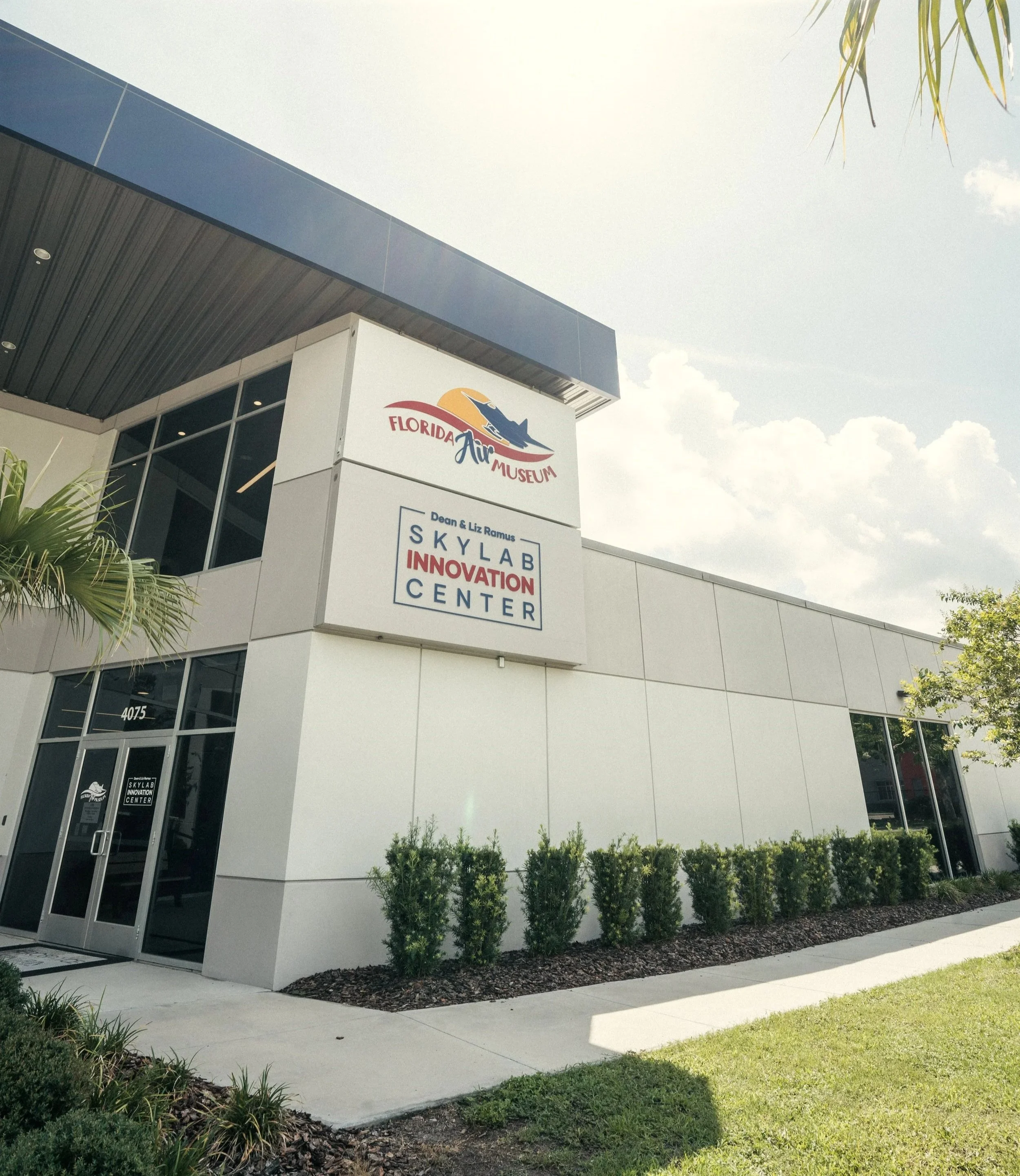
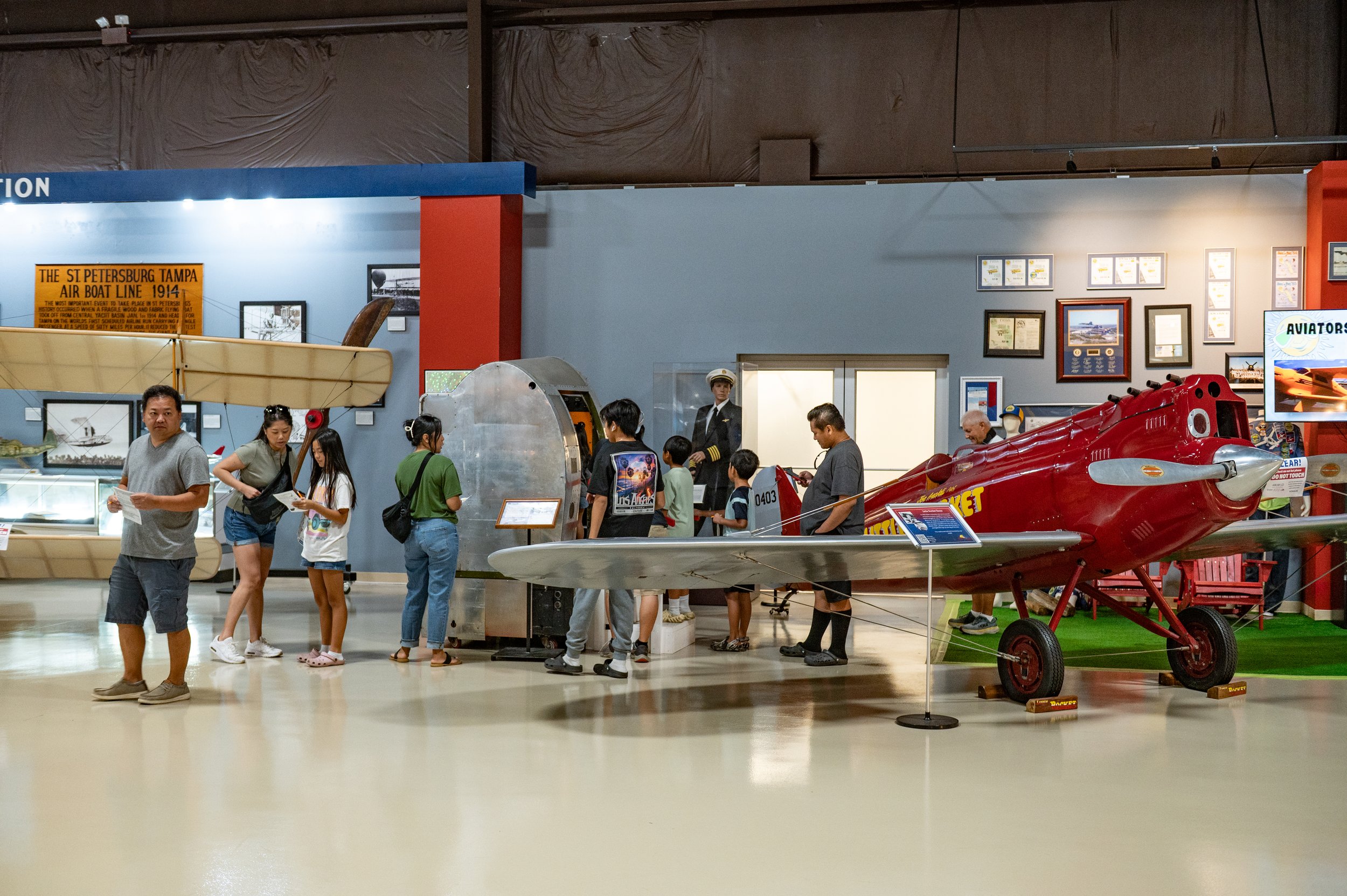
For those unfamiliar with ACE, in 2014 SUN ‘n FUN launched the center with the grand opening of a 14-building STEM facility that now includes Central Florida Aerospace Academy, a high school career academy, the Florida Air Museum, the Skylab Innovation Center and more.
Through a wide array of classes, camps and student outreach opportunities, ACE works with more than 30,000 students annually, and more than 8,000 tickets to the Florida Air Museum are given away each year. That’s quite the feat for a non-profit organization that relies heavily on proceeds from the yearly SUN ‘N FUN Aerospace Expo, as well as the generosity of partners like Visit Central Florida.
“What we’ve seen over the last three years is that not only locally…but also from the aerospace industry as a whole, people who understand the need to go above and beyond just looking at [funding support] from an ROI perspective,” he says. “This is important and it moves the needle and it uplifts communities, and [gets people and groups who] want to be involved as a partner.”
It’s human nature to look up almost every time you hear an aircraft overhead and people flock to SpaceX launches, and Crump and his team, through this curriculum, want students to go beyond taking video of it on their smartphones and begin to dream of the role they might play in future flights or launches.
“Otherwise it’s a flash in the pan. You’re excited but you can’t do anything with it. That’s the cruelest thing you can do to a kid,” he says. “What we do want them to do is to understand what the aviation industry is and to determine if they think they have a place in it.”