
Be Well Lakeland: Lakeland Regional Health’s OB-GYN’s Redefining Women’s Healthcare
PHOTOS BY JORDAN RANDALL AND PROVIDED BY LAKELAND REGIONAL HEALTH | DEVELOPED IN PARTNERSHIP WITH LAKELAND REGIONAL HEALTH
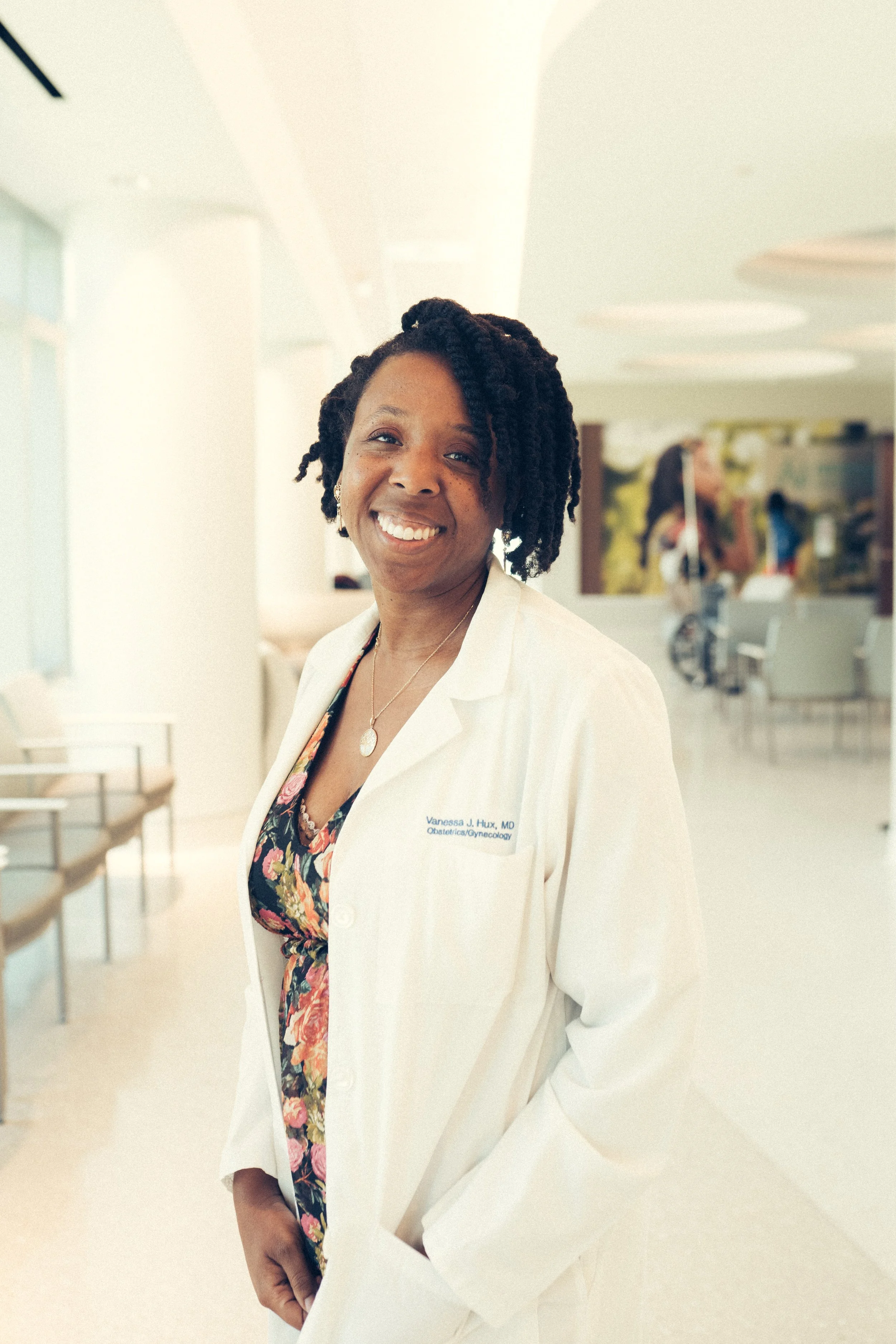
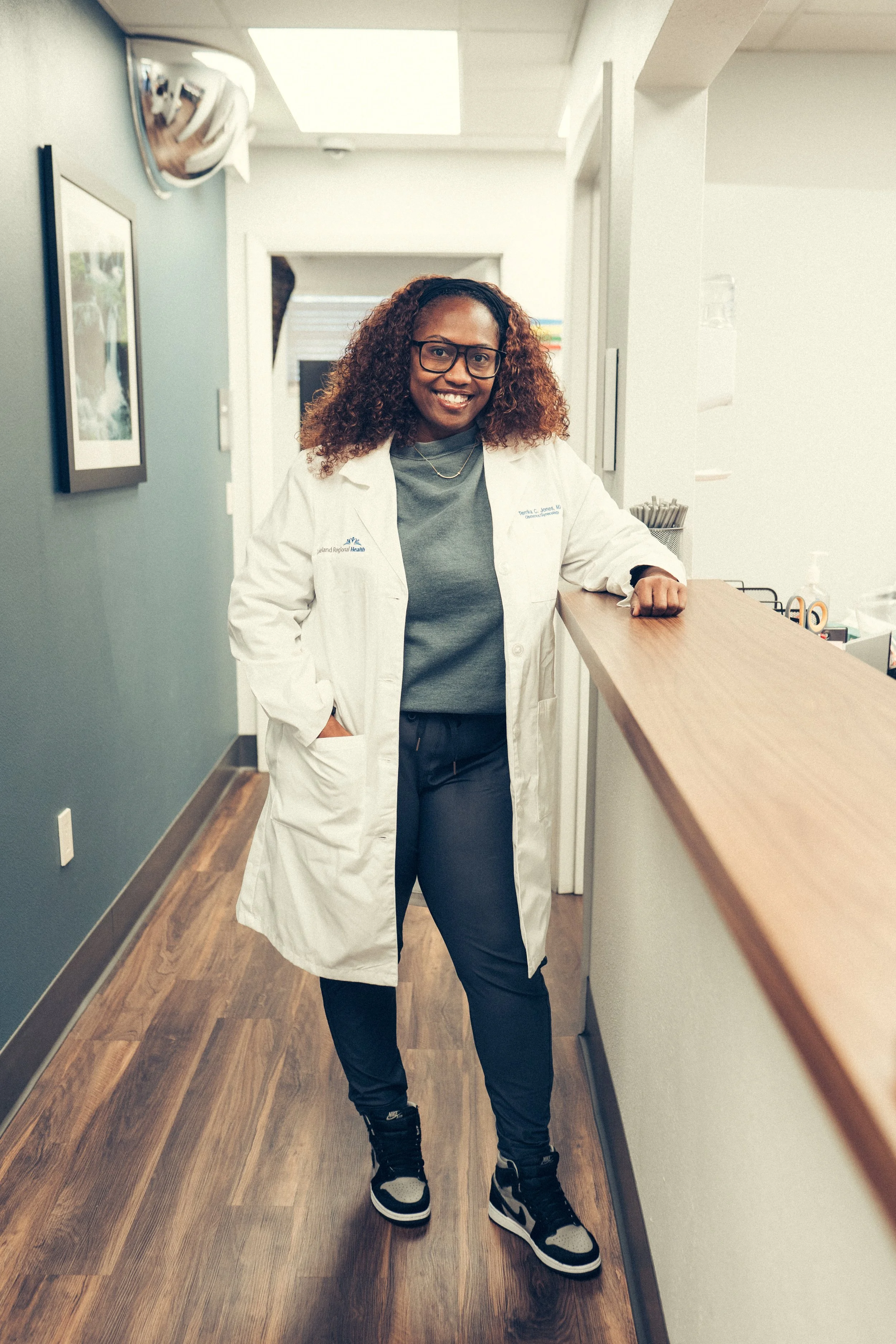
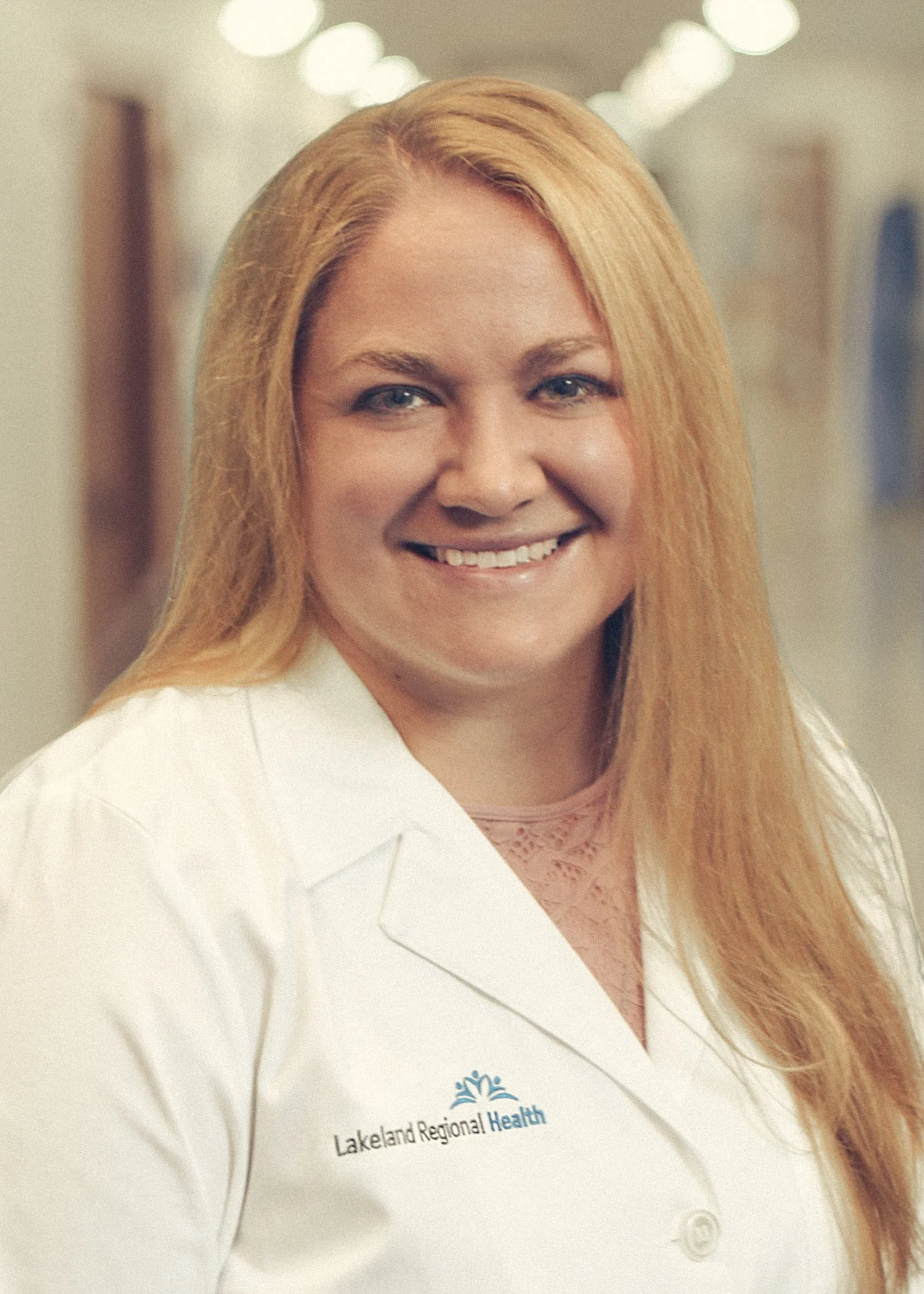

From top to bottom, left to right:
Dr. Vanessa Jamie Bennett Hux, Dr. Terrika Jones, Dr. Bryna Peplinski, Dr. Kristina VanderMark, Dr. Suzanne Lababidi, Dr. Kelly Mover, Dr. Shelena Ali-Bynom
The field of Obstetrics and Gynecology often conjures images of delivery rooms and newborns, but as the physicians at Lakeland Regional Health’s OB-GYN department will tell you, their work is about so much more than delivering babies. It’s a commitment to a woman’s entire life story, from adolescence through the reproductive years and into later life.
“We offer so much more beyond delivering babies and a Pap smear,” says Dr. Vanessa Jamie Bennett Hux, one of seven experienced and decorated OB-GYNs, all females, who make up the Lakeland Regional Health team. This comprehensive approach is a hallmark of their practice, providing a continuum of care that builds a lifelong relationship with the patient.
Dr. Kristina VanderMark says the line of work has “felt like home from the very beginning.” She was drawn to the opportunity “to be present for patients” and loves how the job is analytical, relational and educational.
“I was and continue to be humbled by the privilege of being invited into both the most joyful— pregnancy and childbirth—and the most painful/difficult moments of people’s lives—pregnancy loss, cancer diagnoses, fear of surgery,” she says. “Helping women understand their bodies, their health and their choices continues to inspire my work every day.”
Dr. Suzanne Lababidi, who is passionate about prevention of and treatment of precancerous changes in the cervix, was inspired to consider being an OB-GYN thanks to another physician’s kindness.
“My first OB-GYN doctor made me feel very comfortable during an uncomfortable time, and it left a strong impression on me,” she recalls. “That’s one reason I went into this field—to help others feel comfortable and ‘heard.’”
The department is energized by a powerful shift they say they are experiencing in the medical world: the growing recognition of women’s pain and lived experiences.
“For too long, conditions like endometriosis, PCOS, pelvic pain and menopause were minimized or poorly understood,” Dr. VanderMark explains. “We’re finally seeing meaningful research, better diagnostic tools and more thoughtful therapies emerge. What feels most hopeful is that patients’ voices are being taken seriously.”
This shift, she notes, honors women’s experiences and supports compassionate, evidence-based care.
Dr. Hux sees this as a crucial development, noting that researchers are now thinking women’s health “merits more scientific engagement and research.” This change, driven by both patient demand and the necessity for improved outcomes, is also gaining momentum in the perinatal space for pregnant women and babies in the state of Florida and beyond.
What sets the Lakeland Regional Health OB-GYN department apart is the strength of its interprofessional team. Physicians, both office-based and hospital-based, work closely with Advanced Practice Providers (APPs) and subspecialists like MFM (Maternal-Fetal Medicine), urogynecology, minimally invasive gynecologic surgery, and gynecologic oncology. This collaborative culture ensures coordinated and consistent care, allowing patients to “move seamlessly across services, whether they need routine care or highly specialized support.” The practice includes five APPs—four nurse practitioners and one certified nurse midwife—whose help is vital in keeping up with the demand for care.
The group holds a unique position in the local healthcare landscape. In Lakeland, they are the premier group providing high-risk prenatal care, which can be defined by many factors including but not limited to maternal age, previous pregnancy complications, infertility treatments, pre-existing medical conditions, etc.
“Working in the urban setting, I am consistently inspired by the diversity of our patient population,” says Dr. Shelena Ali-Bynom. “My practice allows me to directly address issues of health equity and cultural competence, ensuring that every woman, regardless of her background, receives the highest standard of care.”
The physicians work diligently to dispel common misconceptions about women’s healthcare. For instance, Dr. Hux notes that some women stop seeing an OB-GYN once they are finished having babies and no longer need Pap smears, even though there are still many issues that can arise in later life, even into a woman’s 70s. She also stresses that for adolescents, a visit doesn’t always mean a pelvic exam, easing the fear for those who need to discuss issues like periods or birth control.
“I was and continue to be humbled by the privilege of being invited into both the most joyful— pregnancy and childbirth—and the most painful/difficult moments of people’s lives—pregnancy loss, cancer diagnoses, fear of surgery.”
- Dr. Kristina VanderMark
That all ties in with what Dr. Kelly Mover calls the importance of a holistic approach.
“I am passionate about supporting women’s mental health,” she says. “I feel very fortunate to be able to establish lasting relationships with patients and to be there for some of the most exciting moments in their lives, including the birth of their children.”
Beyond the exam room, the department is focused on improving healthcare systems. Dr. VanderMark says they are all about “improving how care is delivered—not just one patient at a time, but through building processes, training teams, and creating systems that raise the standards for everyone.” She finds it incredibly fulfilling to mentor junior colleagues and know her efforts can positively influence care for years to come.
When reflecting on the greatest joy they find in their job, the physicians often turn to the level of compassionate support they provide during a patient’s most challenging times.
For Dr. Bryna Peplinski the job is very familial. Her father was a physician, as are her two sisters, and she says her goal is to “treat all of my patients as if they are my family members.”
This dedication to patient well-being is echoed by Dr. Terrika Jones, who strives to provide the “best evidence-based care to women from all walks of life during the most precious and vulnerable times in their life.”
“Though every day is not easy, the joy and satisfaction of my patients makes it all worth it,” she says.