
Rewiring the Pain Signal
How Physical Therapist Jeremy Baber is Helping Patients Through the Evolving Science of Pain Relief
PHOTOS BY JORDAN RANDALL | DESIGNED BY MADDY LAROCK
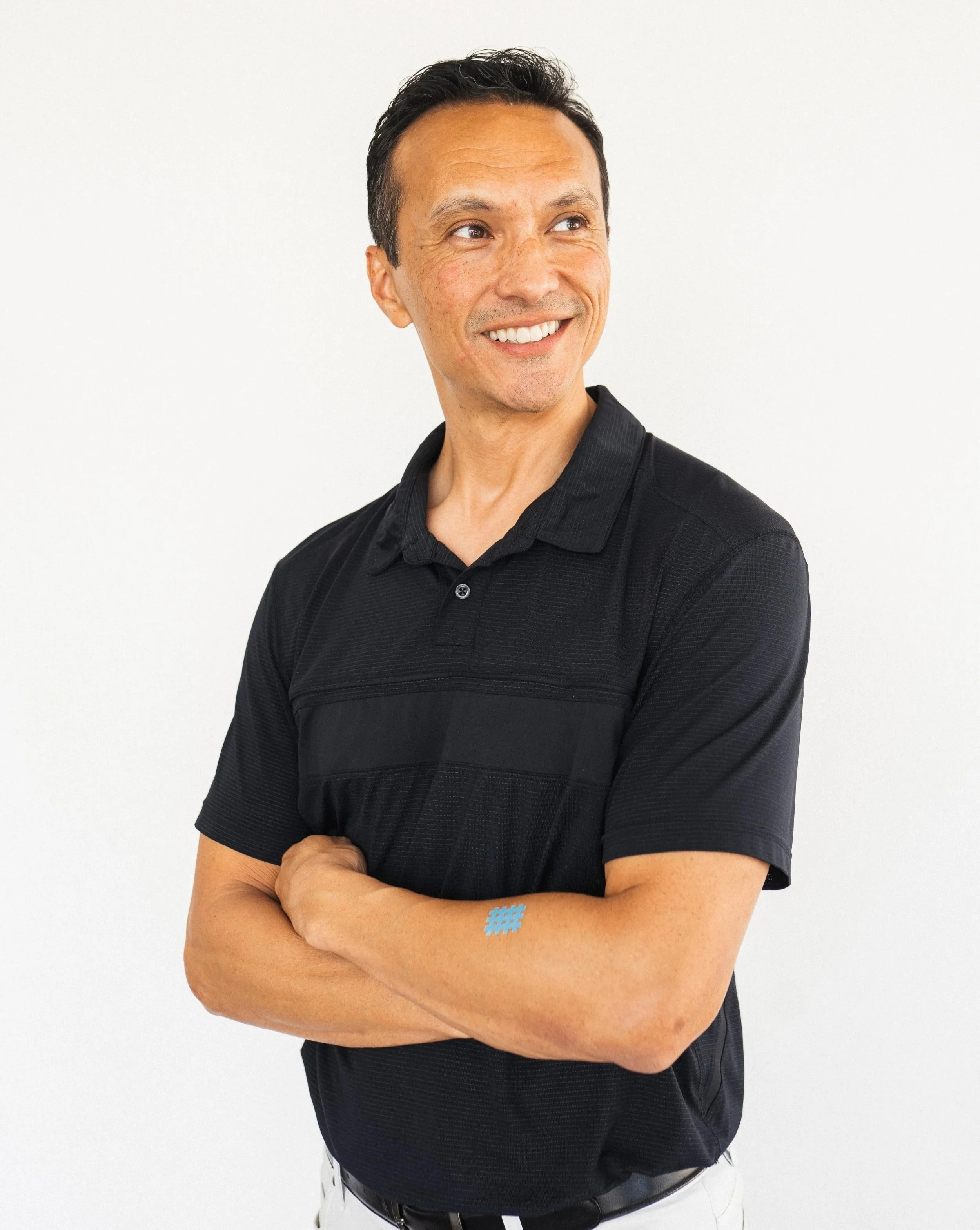
Lakeland physical therapist Jeremy Baber is helping people overcome chronic pain, often after other treatments have failed.
For more than two decades, Baber has been asking a question that continues to shape his work: Why do some people recover effectively from chronic pain while others remain stuck in it?
The answer, he believes, often lies in the nervous system.
“Pain isn’t always coming from damaged tissue,” Baber explains. “Sometimes the brain continues sending protective pain signals long after the injury itself has healed.”
Today Baber focuses on restoring the communication between the brain and the body that allows movement to function normally. When that system becomes disrupted after an injury, muscles can stop activating properly, forcing other parts of the body to compensate. “Those compensations are often what people feel as chronic pain,” Baber says.
Tony Agnello, owner of Notta Gallery and Lakeland Air Conditioning, experienced that process firsthand. An avid pickleball player, Agnello dealt with persistent foot and shoulder pain before seeking Baber’s help. “The way I understand Jeremy’s work is that he helps reawaken muscles that have gone dormant after an injury,” Agnello says. “When that happens, other muscles and structures start overcompensating, and that’s often where the pain comes from.” Working with Baber helped him understand the source of those imbalances and begin correcting them.
“I’ve seen real improvement,” Agnello says. “If you’re dealing with pain that just doesn’t seem to go away, Jeremy is definitely the person I’d see.”
Martial arts instructor Jae Choe had a similar experience after years of suffering from chronic back pain. “I’ve seen chiropractors, physical therapists and spine specialists,” says Choe, owner of Karate Beyond. “This is by far the best form of relief I’ve experienced.”
Stories like these reinforce Baber’s belief that chronic pain is frequently driven by disrupted communication between the brain and body rather than structural damage alone.
An Unexpected Career Path
Baber didn’t originally plan on entering the health and wellness space. As a senior studying finance at the University of Florida, he remembers realizing he was on the wrong path. “I was miserable,” he says. “I knew it wasn’t what I was supposed to be doing.”
A suggestion from his girlfriend’s mother at the time pointed him toward physical therapy—a field he knew little about. After volunteering in the Gainesville hospital system, Baber quickly felt he had found the right fit. “I knew right away,” he says. “I wasn’t stuck behind a desk. I was working with people.”
Before applying to physical therapy school, he was warned the program was extremely competitive.
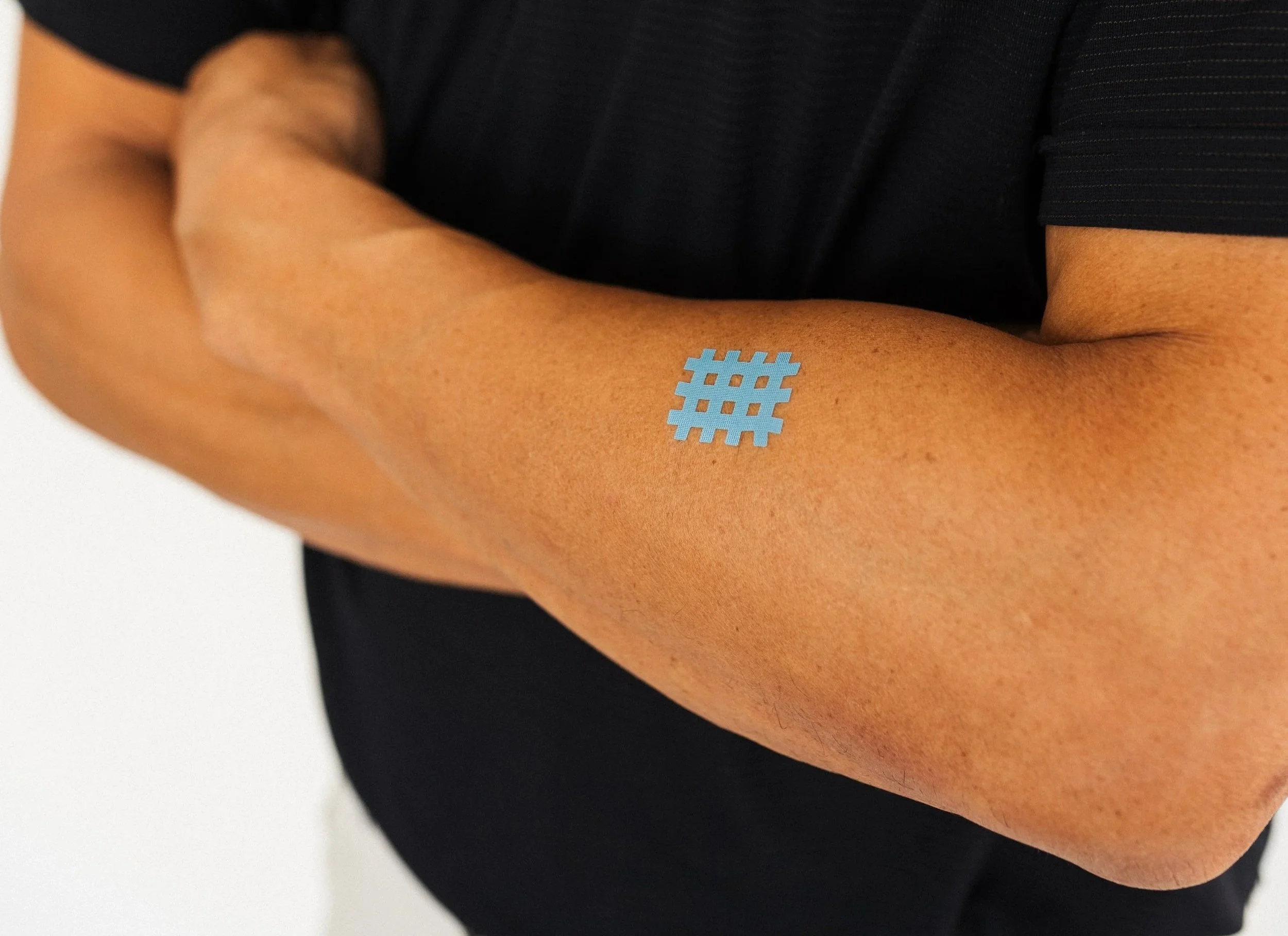
Biofrequency patches are electron-charged adhesives are technology Baber utilizes to restore feedback to the brain and help prevent acute injuries from developing into chronic pain.
“Someone told me not to bother applying because it was really hard,” Baber says with a laugh. “That made me want to do it even more.” About a year and a half later, he received his acceptance letter.
From Broadway to PAIN SCIENCE RESEARCH
After graduating from the University of Florida, Baber moved to Atlanta and began working with NeuroTour Physical Therapy, a company that provides care for touring performers. The job exposed him to a unique side of the profession. Baber worked with touring productions including “Wicked” and the Broadway show “Movin’ Out,” helping performers stay healthy through physically demanding schedules.
It was also where he met his future wife, Allison Jay, a professional ballerina and graduate of Harrison School for the Arts. Their shared connection to movement—hers through dance, his through rehabilitation—became central to their relationship.
The couple later moved to New York City, expecting to stay two years. They ended up living there for eight. During that time they welcomed two children and raised a family in a one-bedroom apartment in Brooklyn. “It was memorable,” Baber says with a smile. “A little cramped, but memorable.” Raised in Panama City, Fla., Baber and his wife—who attended Southwest Elementary School and Southwest Middle School after her family moved to Lakeland when she was 10—ultimately chose the Swan City as a family-friendly place to call home.
New York also shaped the next phase of his professional journey. After spending the first 7 years of his career in outpatient orthopedics, Baber accepted a position at chronic pain center where most patients had already tried physical therapy multiple times without success.
“In a typical clinic you might see a few patients who didn’t respond to therapy,” he says. “In this clinic, about 80 percent of my caseload had already failed therapy two or three times.”
The experience challenged the traditional treatment models he had learned. “It forced me to realize the standard approach wasn’t designed for chronic pain,” Baber says.
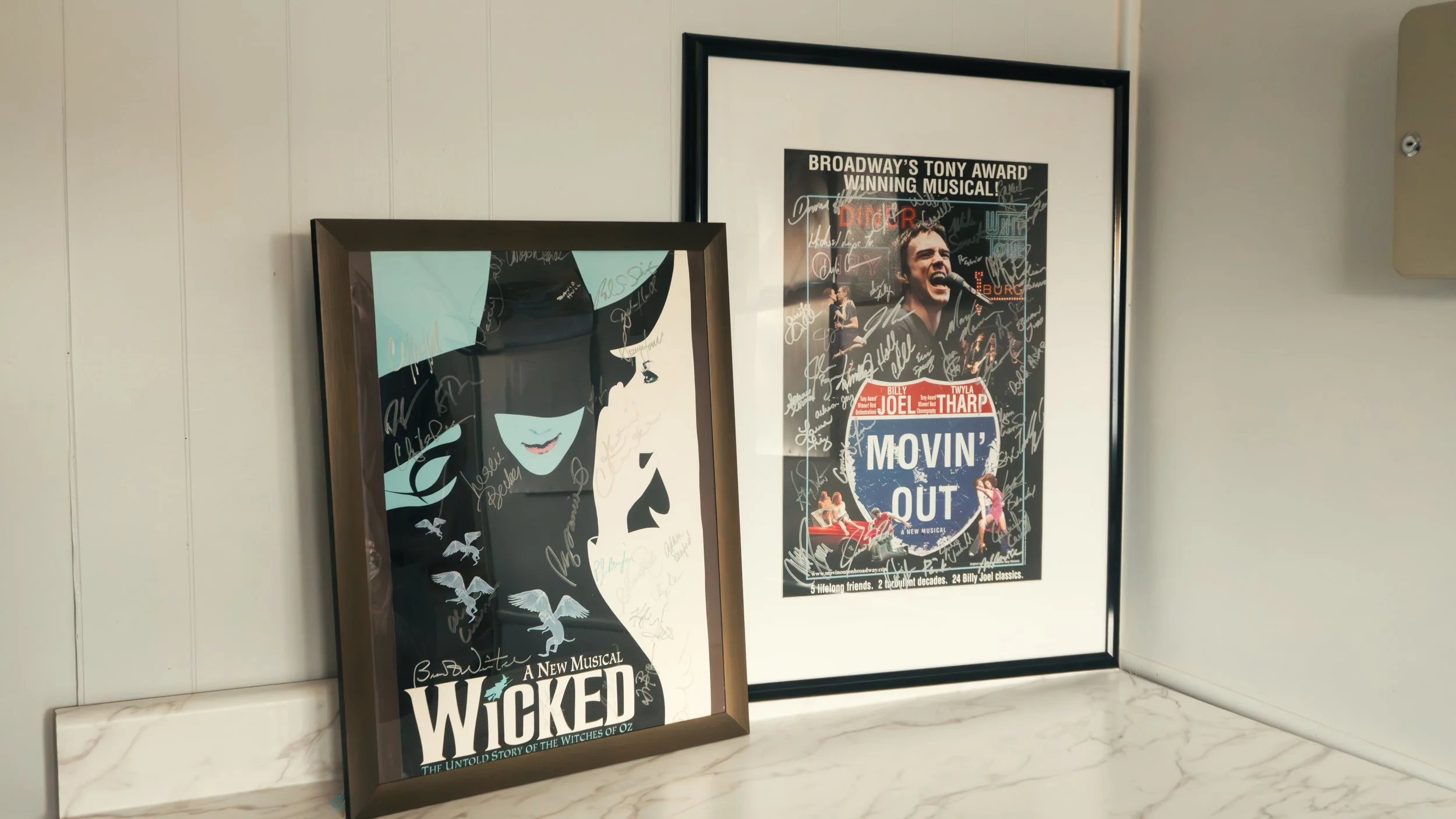
PHOTO PROVIDED by LANDON DAVIS
“I’ve seen chiropractors, physical therapists and spine specialists,” says Jae Choe, owner of Karate Beyond. “This is by far the best form of relief I’ve experienced.”
Over the next 16 years he immersed himself in pain science research, traveled the country learning from the top experts in the field, exploring ways to retrain the brain’s control of movement to relieve pain. He learned that the number one pain generator in the body is not your muscles and joints, it is actually the brain. That work eventually led to the development of Rekinetics™, an exercise system designed to restore communication between the nervous system and the body.
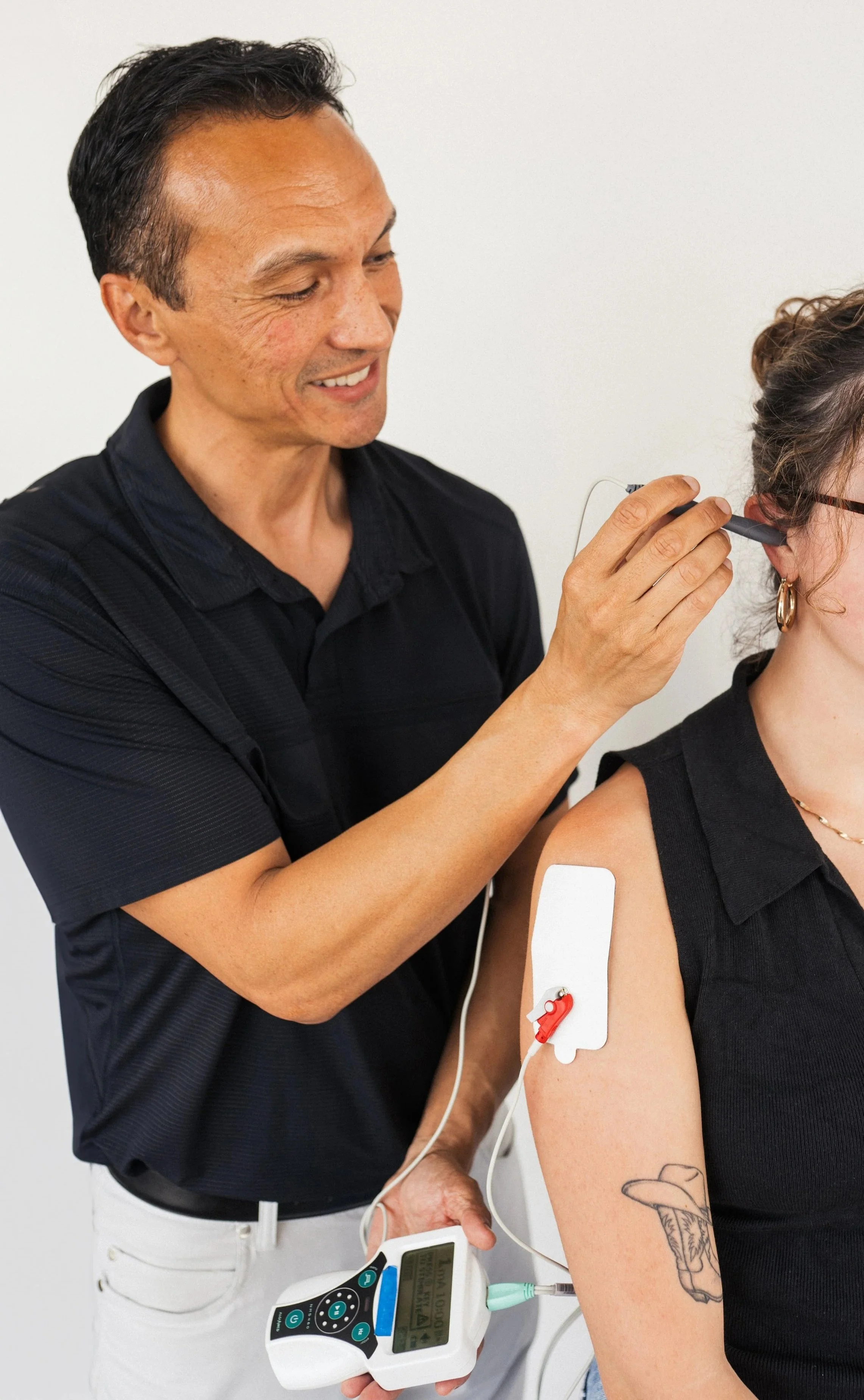
More recently he has incorporated tools such as his proprietary biofrequency patches designed to stimulate sensory nerves after an injury. The goal, Baber says, is to restore clearer proprioceptive feedback to the brain and help prevent acute injuries from developing into chronic pain.
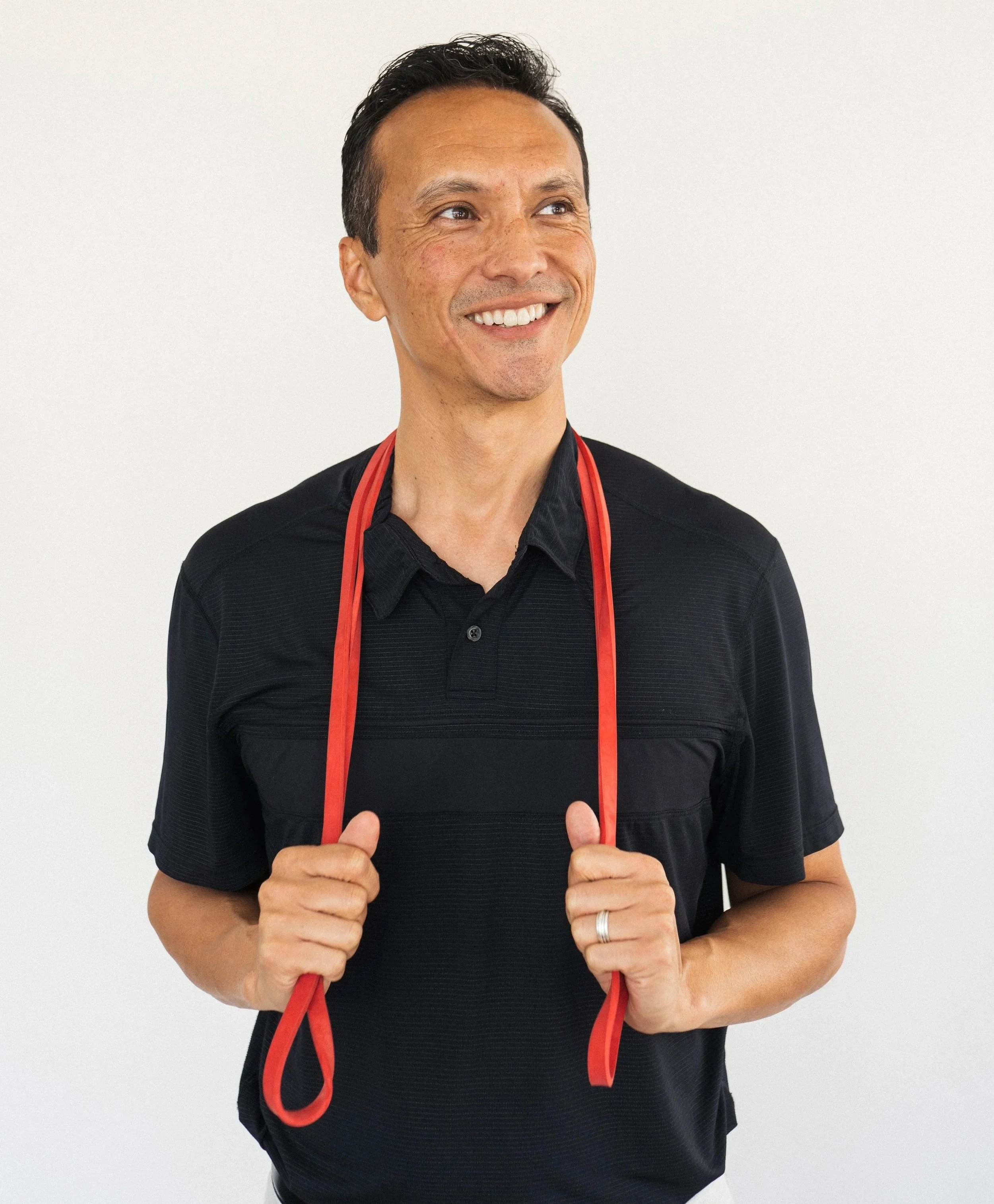
While Baber continues working with chronic pain patients, he has also become increasingly focused on prevention. “Every chronic pain condition begins as an acute injury,” he says. “If you can restore how the body communicates early on, you may prevent that pain from becoming long-term.” That philosophy has led him to work with younger athletes as well. “I’m especially passionate about helping middle- and high-school athletes avoid injuries that can follow them into adulthood,” he says.
Working with the Baber Method
Baber currently sees clients inside Body Prescriptives Massage & Wellness, located at 1625 S. Florida Ave. in Lakeland.
His practice focuses on active adults dealing with chronic pain as well as serving young athletes seeking injury prevention or recovery from nagging injuries.
Initial consultations are $200, with follow-up visits priced at $150 for 55 minutes or $80 for 30 minutes. Most single-area pain issues resolve within four to six visits, while more complex cases may take eight to 10.
Prospective clients can learn more at BaberMethod.com or follow @BaberMethod on Instagram and Facebook.
After nearly 25 years in physical therapy—from Broadway tours to developing his own treatment systems—Baber says the question that first sparked his curiosity still drives him.
“How do we help people move freely again?” he says. “And how do we help them keep moving that way for the rest of their lives?”