
Built To Compete
A Guide to Simplify the Complex World of Competitive Soccer for Players and Parents
PHOTOS PROVIDED BY LOCAL CLUBS | DESIGNED BY MADDY LAROCK
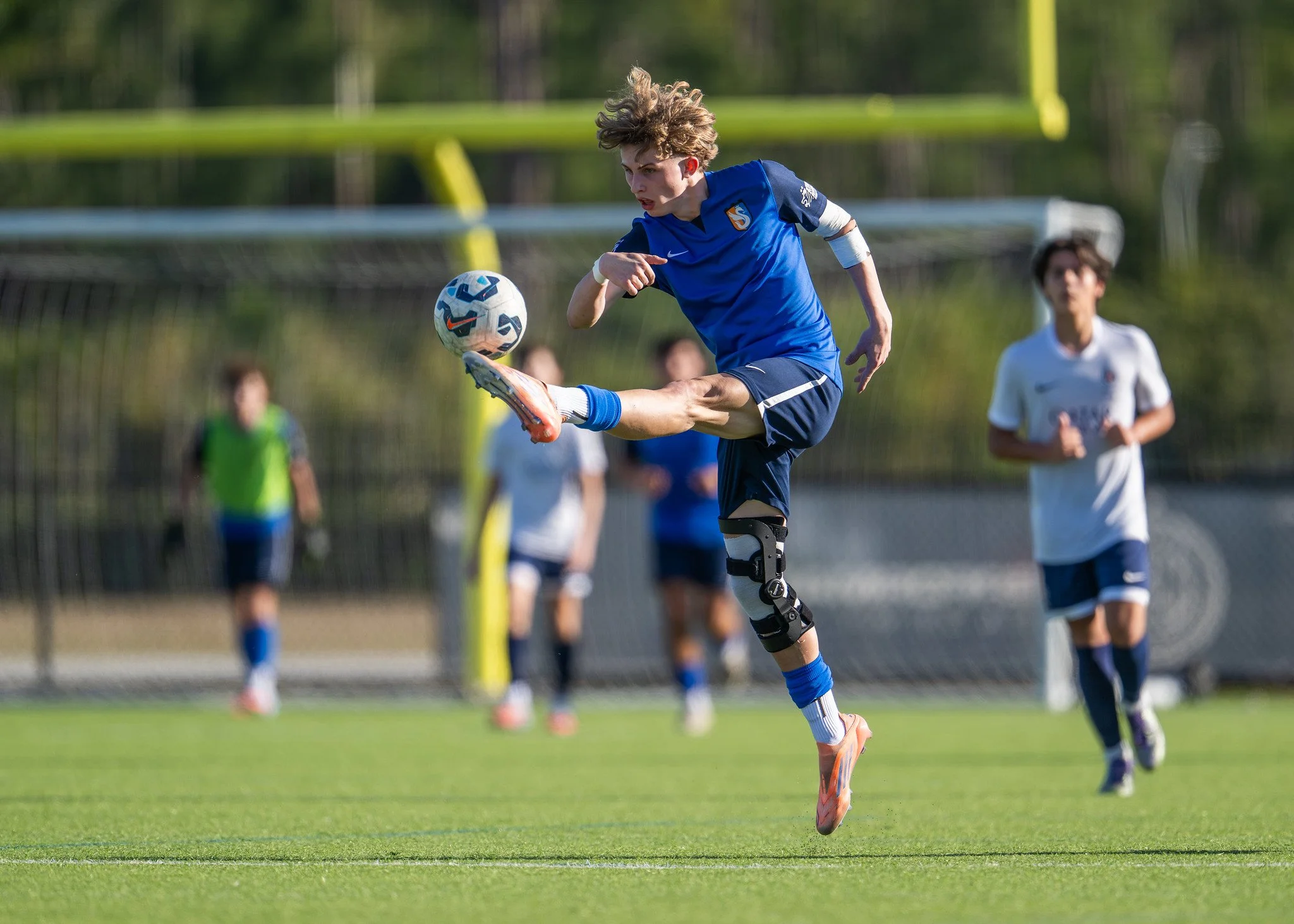
Kings Hammer Swan City
For Eoghan Conlon, soccer has always been more than a sport—it is his life boat. Raised in Cork, Ireland, Conlon saw the game as his anchor during a period of family separation when he was young, an environment that captured his love and gave him something to passionately pursue. This belief in soccer’s power to shape lives, developed through his own journey from amateur professional leagues in Ireland to collegiate soccer in America—including a couple of seasons playing for Florida Southern College—is the guiding philosophy behind Swan City SC’s relentless pursuit of excellence. For athletes who are driven to one day play in the college ranks, or even professionally, Conlon and club staff strive to provide the resources, opportunities and instruction needed for players to chase their dreams.
“First and foremost, we want kids to dream. Our job is to ignite that, fuel it and put everything we can behind that,” Conlon says. “And number two is having realistic conversations with parents and [explaining] there are levels to everything…and having honest conversations about the barriers and challenges if [the dream] is a professional pathway.”
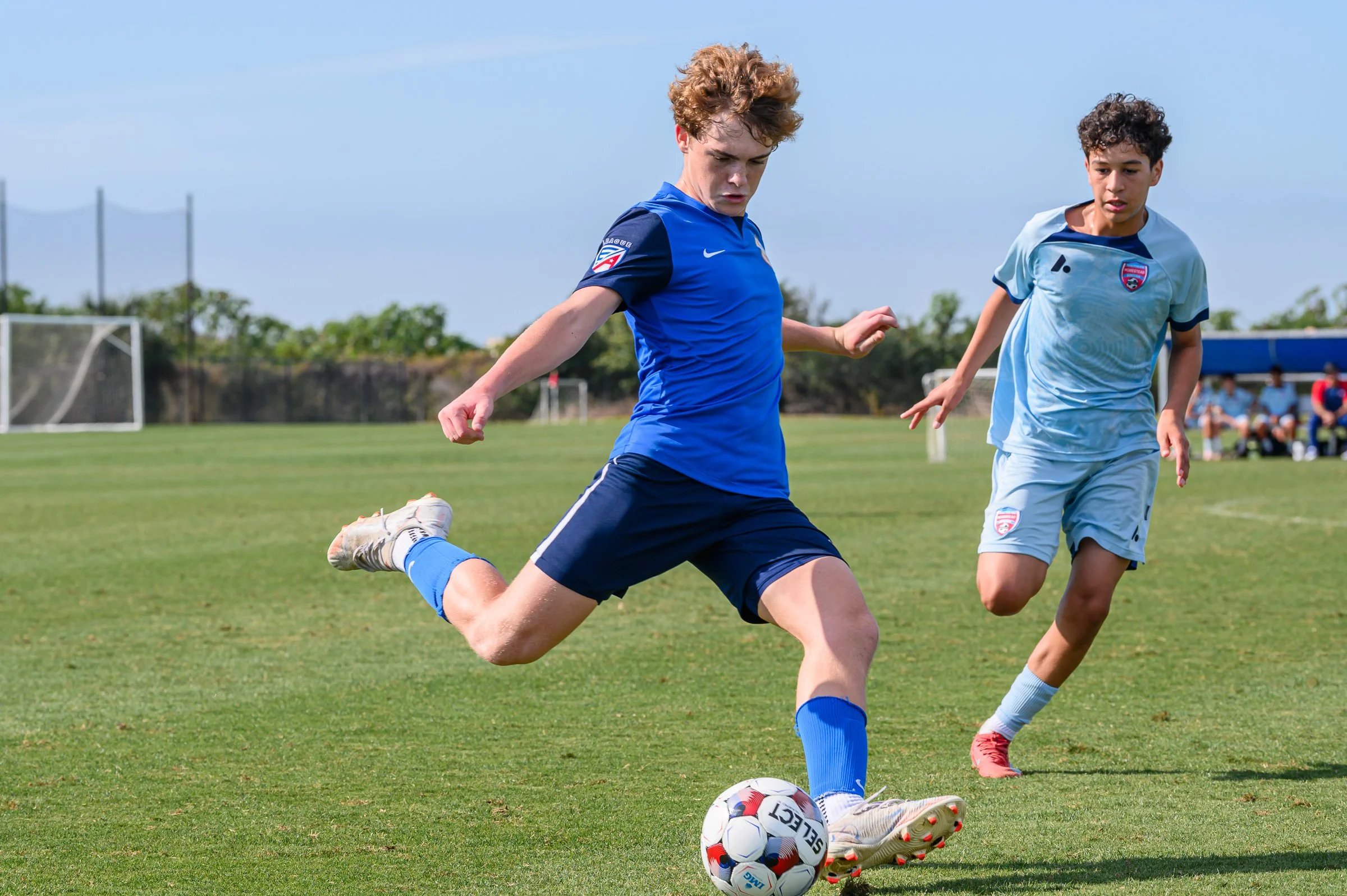
A Partnership Made to Propel
Founded in Lakeland in 2008, Swan City SC is in the midst of a transformation. In 2024, the club cemented a partnership with Kings Hammer, a well-established competitive soccer ecosystem backed by the privately held investment company Corporex. The goal of this merger was clear: to professionalize everything and provide a more comprehensive service to local families, ensuring players in Polk County don’t feel the need to leave the area to access elite pathways.
The benefits of the partnership with Kings Hammer, which states that it serves more than 10,000 players nationally and has seen more than 200 players earn college commitments since 2021, are substantial. Kings Hammer brought with it professional services, a national technical director, and established coaching methodologies and tools made to take the club further faster.
Part of the value Kings Hammer brings is its integration of impressive tools and technology.
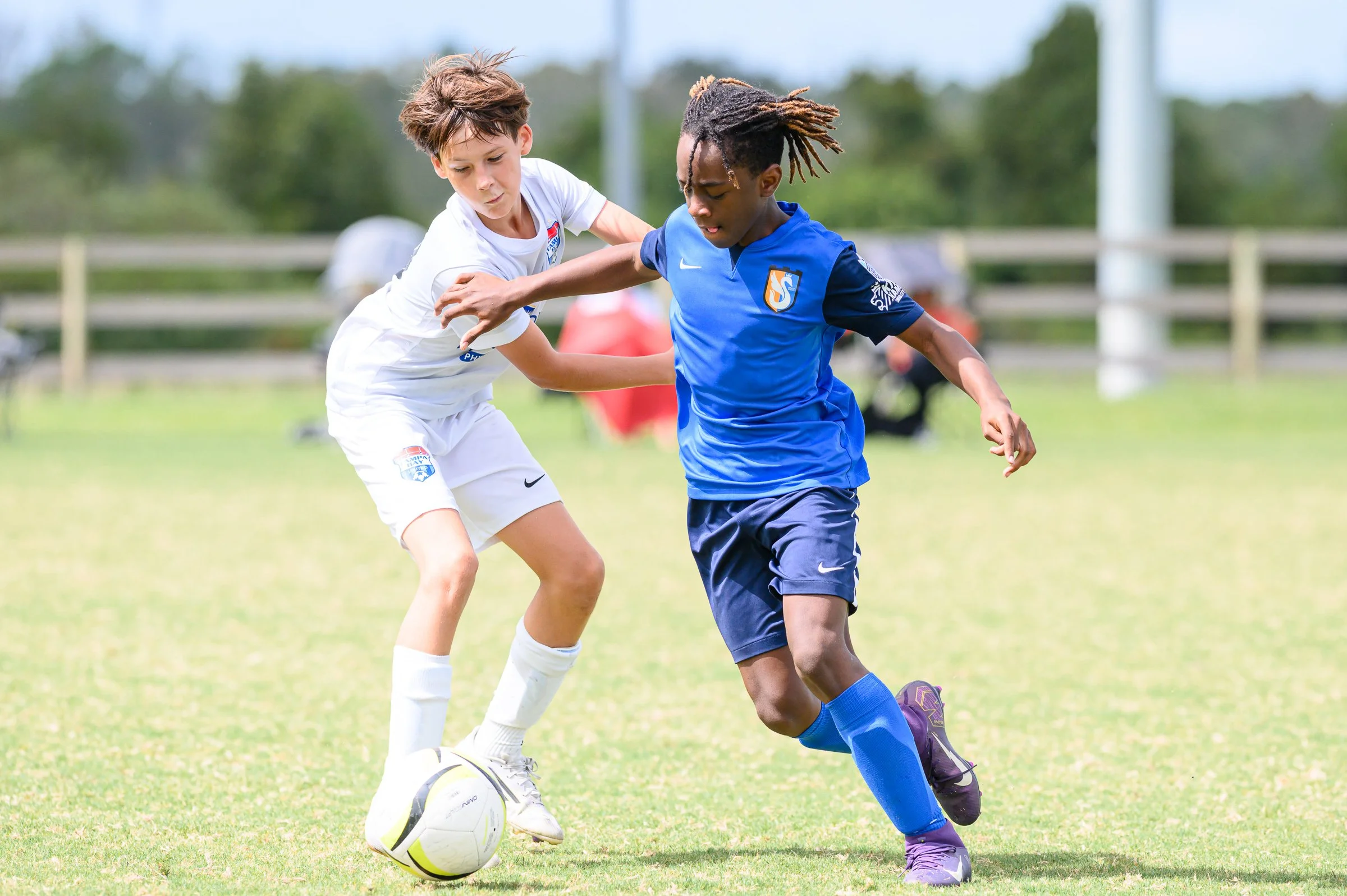
A key component is the use of Play Metrics software. This platform integrates the club’s curriculum and player evaluations, creating a living career profile for every competitive player that stays with them from a young age. This intentional tracking ensures that conversations about a player’s path are data-driven and the club remains engaged with an athlete’s evolving goals.
For older, elite players, the club also utilizes video technology that records everything on the field, which allows players to build a comprehensive profile. This technology is connected to SportsRecruits, an online platform that links players to colleges across the country. Conlon emphasizes, however, that players must still take responsibility for their own recruitment. The club provides all the necessary tools—the video, the profile, the elite platform. But Conlon says, at the end of the day the athletes have to be self-motivated to market themselves, make the phone calls and write the letters—good old fashioned “grunt work”—to position themselves for potential open doors.
While the partnership with Kings Hammer has helped propel the club onto a national stage and allows them to compete in high-level leagues like NAL (a tier below MLS Next Academy) for males and the Girls Academy ASPIRE for females, Conlon insists that the club’s true “compass” must always point back to the community. He acknowledges that chasing elite pathways can sometimes mislead a club’s direction, but staying true to serving the players, parents and families is the constant that keeps them on a good path.
This grounding is tested by the financial and emotional pressure placed on modern youth sports. Conlon recognizes that parents are investing thousands of dollars and sacrificing weekends for tournaments. He admits “we will never be less expensive than we are today” due to what it takes to compete with other high-level clubs, but it is his unwavering commitment to make it worth the time and financial investment required of families.
Even with the reality of increased costs, the club’s non-profit roots remain strong. Conlon highlights that the club gave away a significant amount of scholarships last year, stressing that the club “will find a
way for players to play” if families
are struggling.
Something for Everyone
Swan City SC serves the community by offering programs for every age and ability, totaling more than 100 teams in competitive and recreational soccer. The tiers are as follows:
Juniors Program: For the youngest players (U5 through U8).
Recreational (Rec) and TOPS Program: Rec provides general participation, and Conlon is passionate about restarting a program called TOPS that can serve special needs athletes.

Rec Select: A bridge program for rec players who want better services, more coaching, and sessions, but are not ready for the full competitive commitment.
Competitive Teams
Academy: Designed for players good enough for Elite but who are not ready for the full elite commitment, offering flexibility to play other sports.
Elite: Requires a high skill level and commitment, offering three nights a week of practice, licensed coaching and built-in tournaments.
For Conlon, the ultimate fulfillment comes from seeing the impact on the community and the players. Whether it’s the “feel-good factor” of a free outreach session led by coaches at a local school, or celebrating a player like Emory James—who started in the program at 5 or 6 years old and recently signed to play soccer with Division II King University after a successful career at the club and George Jenkins High School—it reinforces that the work is about more than just soccer. It’s about being a piece of the support system that helps a child develop and achieve
their dream.
The Pursuit of Excellence
The challenge of creating a consistent culture from top-to-bottom is an ongoing, often uneven task for Conlon and his staff. The success of the club rests on the touchpoint every family has with a coach wearing the club’s logo.
Mainstays like Corey Mills, Elite Boys Director for the club, have helped Swan City SC grow over the years. He played collegiately for Florida Southern College and Southeastern University, and brings a Master of Science in exercise science and kinesiology as part of the package that helps him excel as a coach for the U15 and U18/19 Elite Boys Teams.
“First and foremost, we want kids to dream. Our job is to ignite that, fuel it and put everything we can behind that.”
Ash Hill serves as the Elite Girls Director for Swan City SC and is the head coach for the U16 and U18/19 Elite Girls Teams.
The club continues to hire new coaches who fit their culture and want to grow with the vision that the leadership team has in place.
The learning curve over the years has been one of speeding up the process. Conlon says in the past, risks were sometimes taken due to limited resources, leading to hires that weren’t ideal culture fits. But now, with resources in place, Conlon and the leadership team are able to be more nimble and process feedback faster than ever before.
Conlon says the key factor in coach selection is finding a “good person” who displays humility and talks about the kids and the community, not themselves or past championships. Once they find a person who aligns with the club’s values, they are assessed through a live coaching session and often given challenges to respond to in real-time so club directors can evaluate their interactions and coaching points with the players.
“Our staff, from top to bottom, is the best in terms of their level of licensing...and [they are all] bought into what we are doing and the opportunity to really impact a child for the rest of their lives.”
Conlon is also intentional about growing female interest in the game, a common challenge around the country. The club is actively trying to increase female representation by hosting open girls-only clinics, bringing in college programs, and, critically, building the number of female-specific coaches. The club continues to prioritize hiring more female coaches who have a great understanding of the game and work well at developing young women.
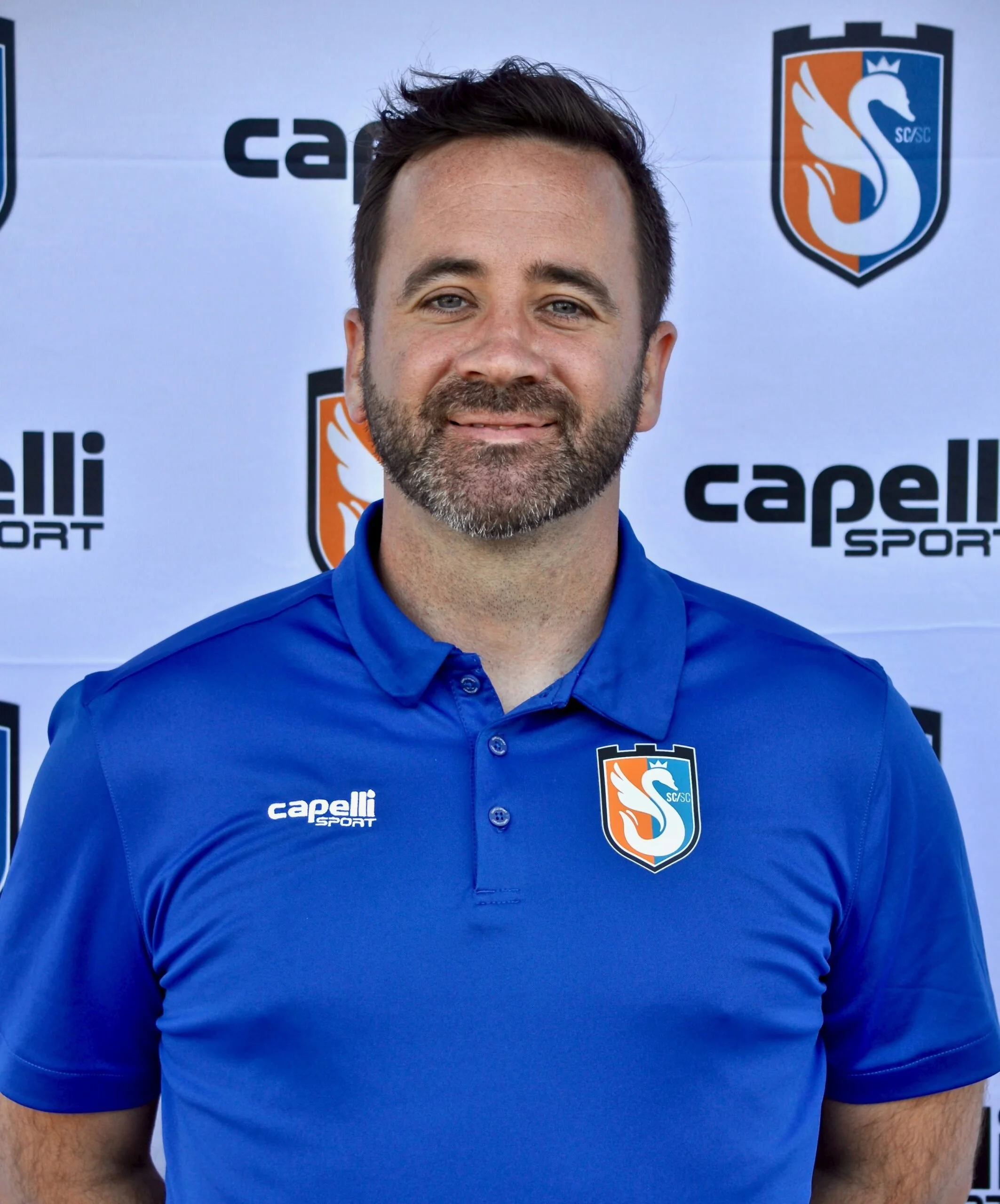
Eoghan Conlon
Technical Director, Kings Hammer Swan City
Recreational, Rec Select and competitive club
Facilities include Lake Parker Park and Loyce Harpe Park
kingshammer.com/central-florida/swan-city
FB + IG: khswancity
Florida Tropics Academy
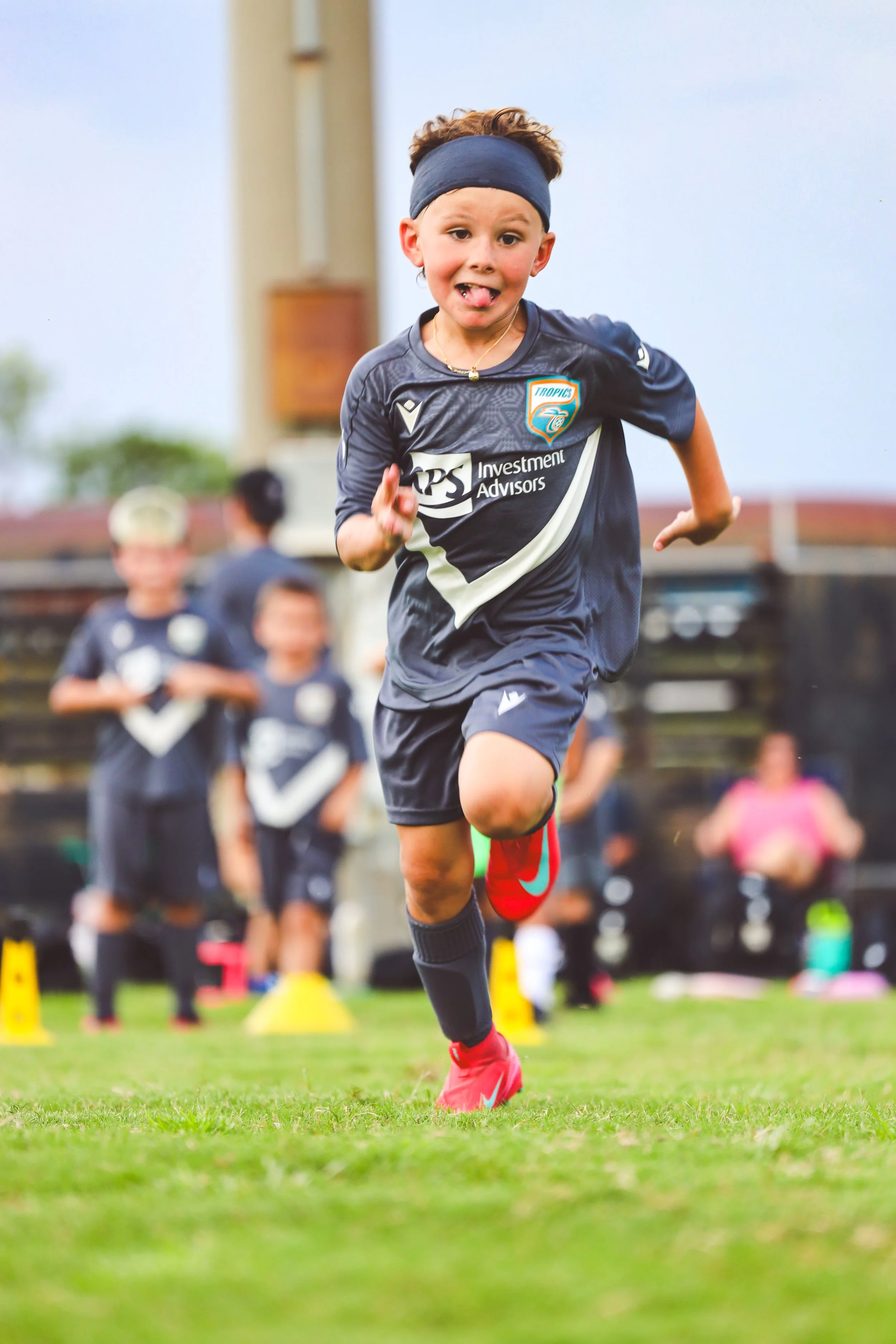
When 40-year-old Lucas Teixeira is asked if he plays in any competitive adult soccer leagues his response is quick and his grin is wide.
“I don’t,” he says with a chuckle. “I’m so competitive and my mindset is so professional because I played so long. I don’t think it’s fair to the other [people] for me to go out there and just kill it and have that mindset in a place where a lot of people are just trying to have fun.”
Teixeira played professional soccer, or fútbol as it’s called throughout most of the world, for 21 years—14 in his home country of Brazil and seven in the United States, including for the now defunct Florida Tropics FC who were based out of Lakeland. His father, Niactor, played for the Brazilian national team, and as a youngster Lucas honed his skills in the streets and on the fields of Belo Horizonte, for as many as seven or eight hours a day.
If you could earn a PhD in soccer, Teixeira would own one, but with that experience he has learned that being a professional soccer player and building a deeply impactful competitive youth soccer club are two different things.
As the founding executive director of Florida Tropics Academy, Teixeira and his experienced team of coaches are charting a course where development, enjoyment, and building community in a family-centric environment supersede the short-term chase for relevance or competing in the “top” leagues statewide or nationally.
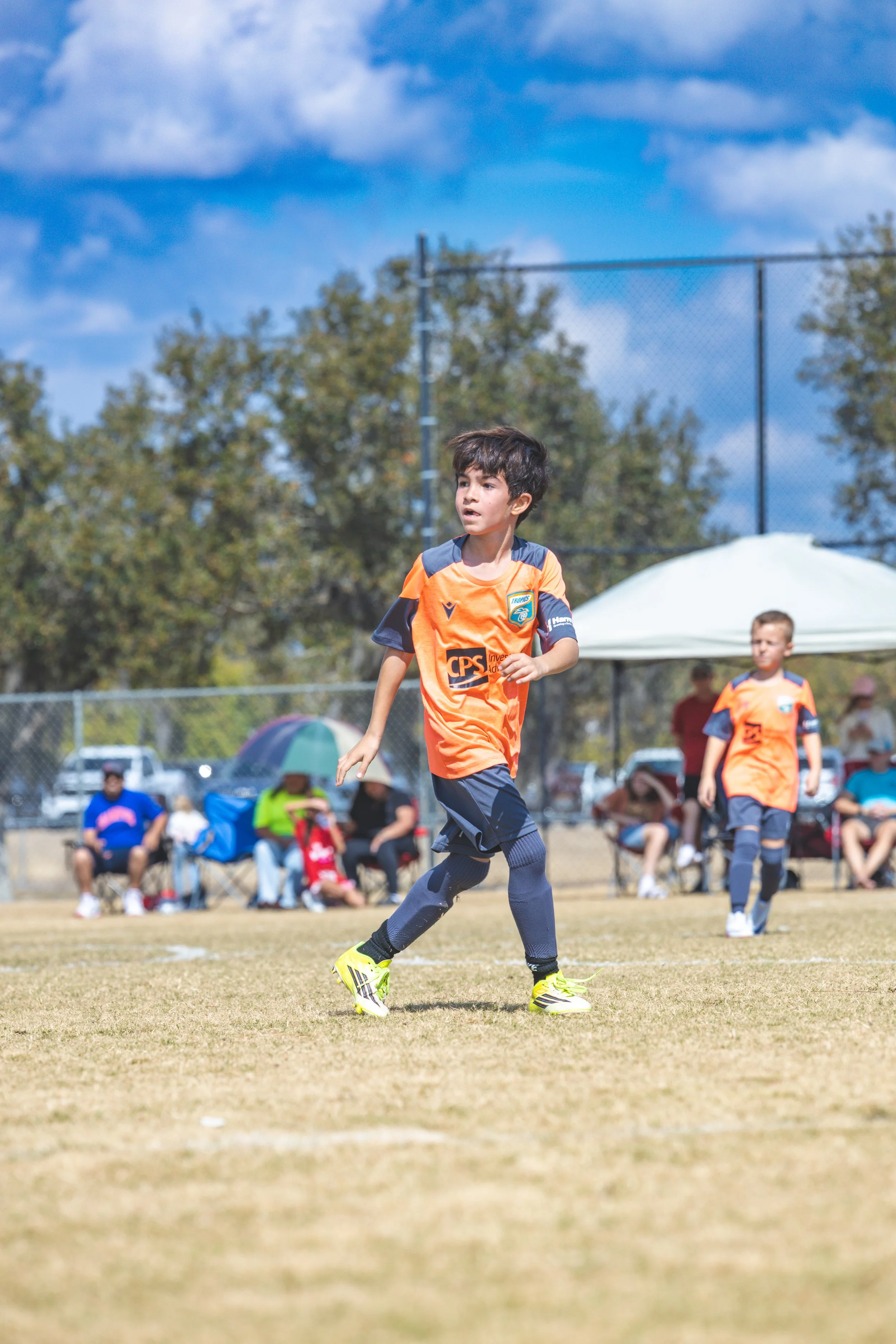
Sure, the competitive drive to be the best is intrinsic for a man who talks at length about how being judged for two-plus decades by on-field performance taught him invaluable lessons in resilience, adaptability and emotional fortitude—it’s just that the Tropics are defining “best” in their own unique fashion.
“When I say talent, it’s not just about having the best kids, but it’s about the kids that can keep the desire alive for many years,” he says about building the club that split off from Swan City in 2022. “When you have people on a team with a lot of different mindsets, it’s hard to keep growing at the same rate, so we need players with the same mindset within our community.”
He said a lot of discussions about modern competitive soccer focus on what leagues kids play in and are aspiring toward because of the exposure they are seeking to be recruited to extend their careers to high school, college and beyond—and Teixeira acknowledges that’s an important component—but it’s not as simple as getting on a specific team and following a well-defined path to success.
“Coaches and scouts are looking for players that can solve their problems, you know, who can be resilient and [are] willing to do what it takes,” he says. “So we need to create that mindset, and that’s why we’re trying to get the best coaches, [even] for the younger ages.”
Building Winners at Multiple Levels
The club offers three primary pathways on the pitch.
Recreational soccer runs through the Tropics partnership with Sports for the One (a program of Church for the One in South Lakeland), offering an entry-level, low-time and low-cost commitment option that can spark a love for the game
Rec+ is a bridge program that offers a higher level of competition with more commitment, with teams playing primarily other regional teams and testing their mettle at local and some regional tournaments. It is a lower entry cost than the Competitive division, allowing players and families the opportunity to experience “travel soccer” with a moderate investment.
The Competitive club teams are more demanding, practice three times per week and pit the players against more intense competition and pair them with the instruction of highly experienced coaches.
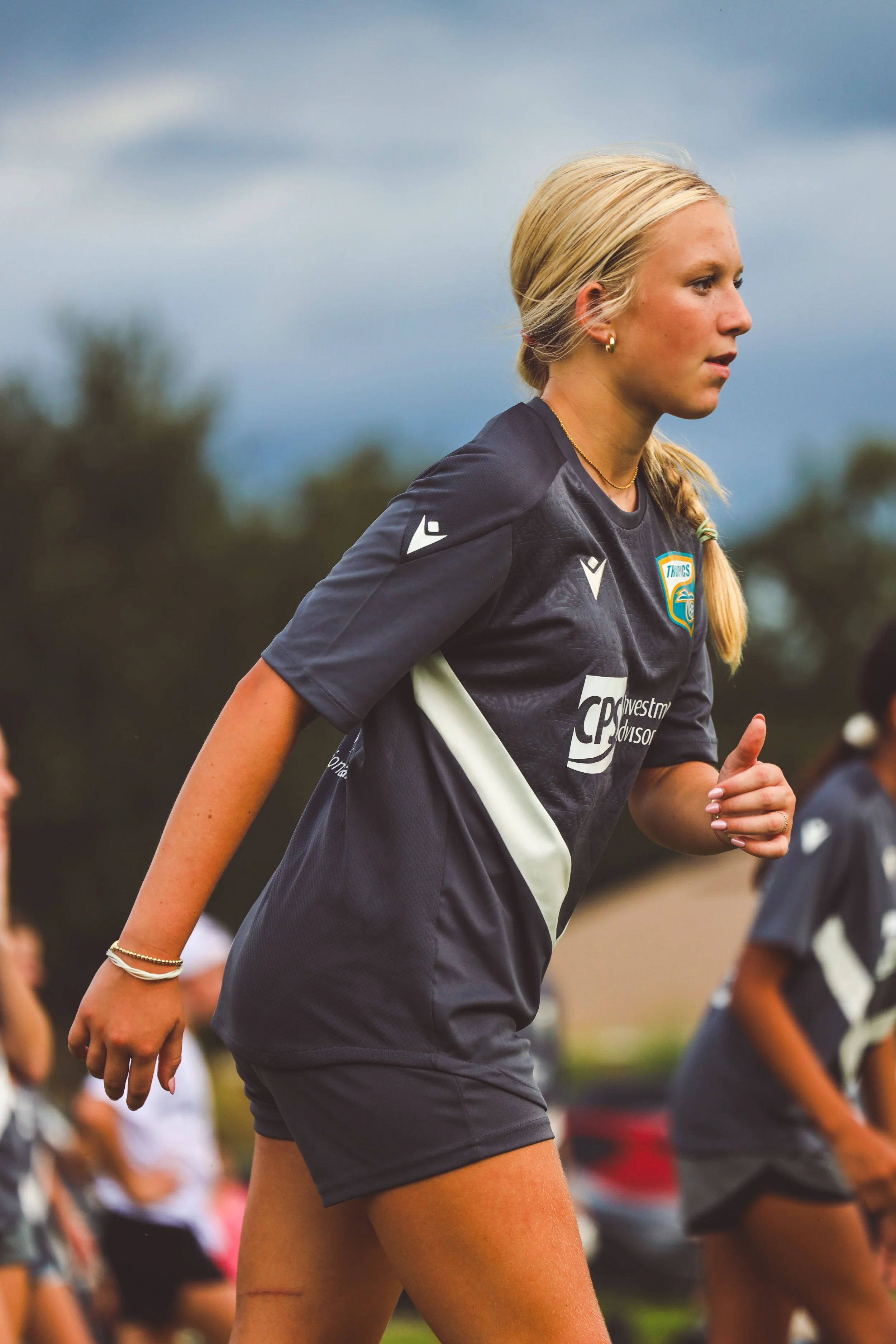
In the competitive division, Teixeira says league placement is critical. They avoid the common mistake of simply chasing the leagues with the best marketing and highest clout, instead placing teams where they will be appropriately challenged to foster growth—not too easy and not so far up the ladder they cannot compete even with their best performance.
There has been slow and steady progression for the club—which offers Competitive club tryouts every spring for U9 through U19 teams—but this season yielded impressive results, with six teams reaching state or national postseason tournaments.
For the Tropics, competing at higher levels more consistently means keeping teams together by retaining players who believe in the process and the people leading it.
“In five years our goal is that no one needs to leave unless they really want to,” Teixeira declares. “They have the ability to say, ‘We have everything here locally to accomplish whatever we want…if it’s college, if it’s pro, if it’s playing at the highest level until I graduate.’”
A Kid-Centric Antidote to Corporate Youth Sports
“Our goal is to stay local, to stay community based,” Teixeira asserts about the nonprofit club, “and to focus on creating that environment that kids want to be here, coaches want to be here, parents want to be here”.
“When I say talent, it’s not just about having the best kids, but it’s about the kids that can keep the desire alive for many years.”
This commitment starts with the coaches. The staff includes former professionals, collegiate players and long-time community figures like Melvin Boateng, a Ghana U20 national team member, and Jason Streets, a highly decorated high school coach who has led the Lakeland Christian School’s girl’s program to four high school state championships.
Other staples include Lucas Montellares, a longtime Tropics coach who played professional soccer in Brazil and in the United States, and Victor Parreiras, who played professional soccer domestically after a successful collegiate career.
“Our coaches are deeply rooted in the community, they’re involved in a lot of things and they care about the kids,” Teixeira says. “Of course they have a soccer background, including a playing background, [which] counts a lot.”
The Tropics board of directors also includes a lot of community-minded individuals who are well-known to many Lakelanders: Jessica Haynes, who has worked for the Polk County School board for 20+ years; Marcos Fernandez, head chef and owner of Nineteen61; Clay Roberts, longtime SEU men’s soccer coach and Executive Director of Career Services at SEU; and Michael Riskin, partner at CPS Investment Advisors.
Building Florida Tropics Academy is more than a paycheck or a resumé builder for its directors and coaches. Despite a well-established career in Brazil, Teixeira felt a deep desire to move his family to the United States. When the opportunity arose to play for the professional Florida Tropics SC in Lakeland, the pieces aligned.
When he took the risk of leaving his home country, he initially intended for the move to be a one-year experiment, but he and his wife and daughter, who was only 3 when they arrived, quickly fell in love with Lakeland.
What kept them? Community.
“For me, it’s a sense of community,” Teixeira explains. “We have friendships, we have our church, we have a sense of purpose.”
The time table for achieving specific goals isn’t at the forefront of discussions amongst leadership, players and coaches, but the overarching mission is crystal clear.
“We have never been aiming to become the biggest club in the area when it comes to numbers,” Teixeira says. “We want to be the best club in the area when it comes to development, and when it comes to delivering a great environment for those kids to grow on and off the field.”
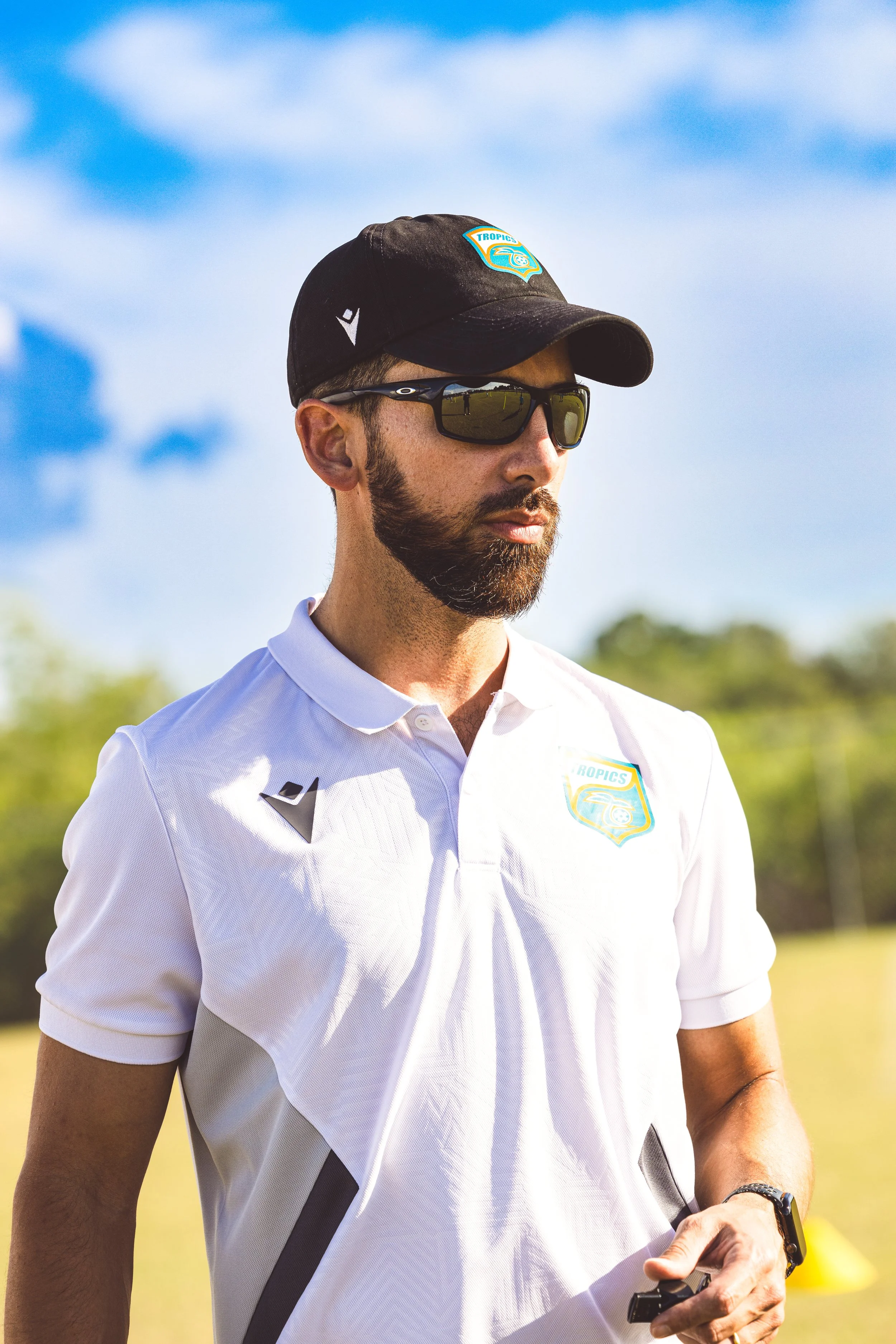
Lucas Teixeira
Executive Director,
Florida Tropics Academy
Recreational, Rec+ and competitive club
Facilities include John McGee Park, Lake Crago Rec Center, Sports for the One and George Jenkins High School
FB + IG: floridatropicsacademy
Lakeland Premier FC
Lakeland Premier FC was established in March 2025 through a collaboration between the long-standing North Lakeland Youth Soccer and the expansive Florida Premier FC, one of the largest youth soccer organizations in the country.
As Lakeland Premier FC Director of Coaching Daniel Delgado explains, the goal is to provide a comprehensive pathway “locally without families feeling the need to leave the area for a higher level of coaching, competition and/or opportunities.”
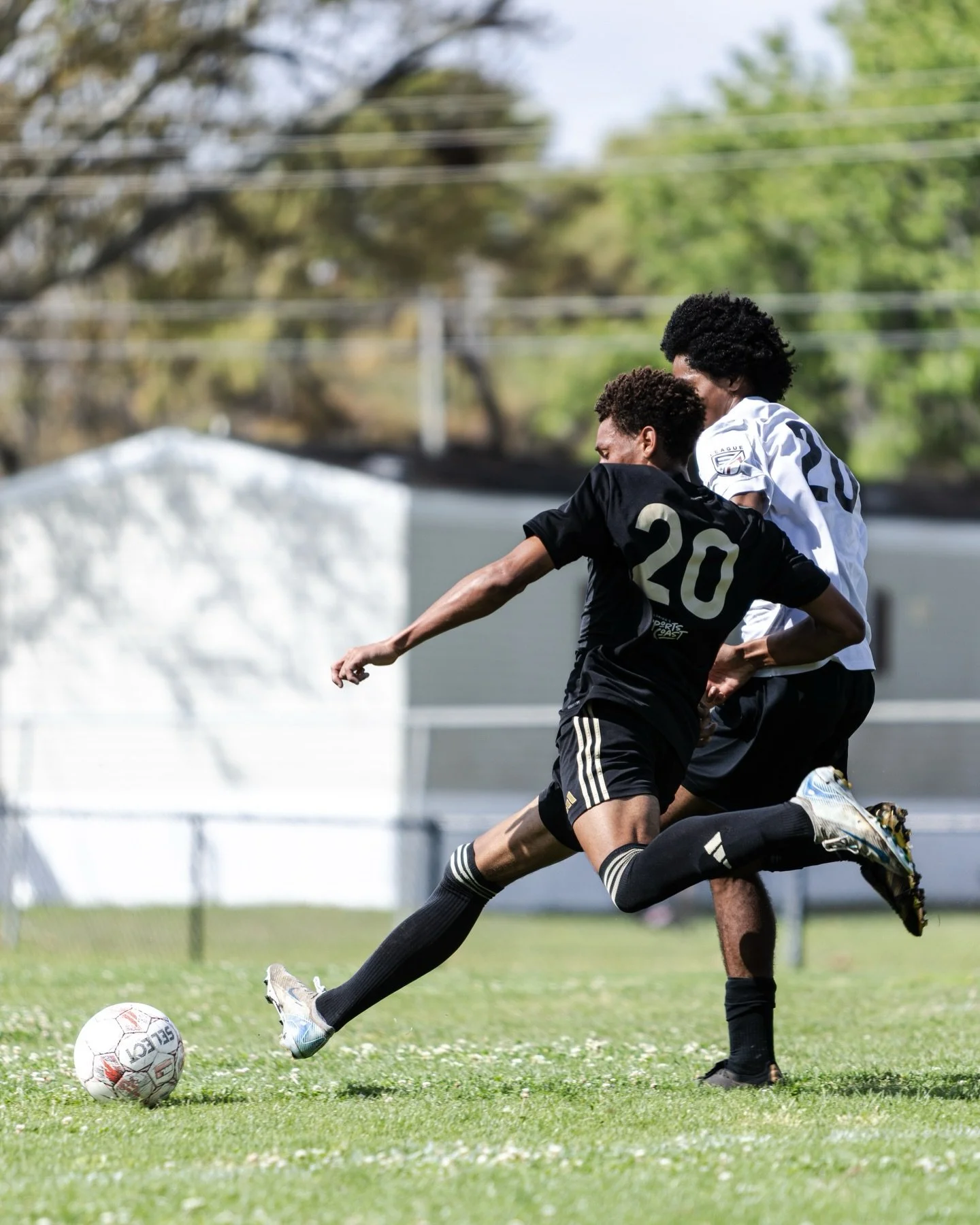
By uniting North Lakeland Youth Soccer’s strong community roots and affordability for a large-scale recreation program—which dates all the way back to the 1980s—with Florida Premier’s infrastructure, coaching education, and national league access, Lakeland Premier FC was created to provide opportunities for every level player while building something the community can be proud for years to come.
While the club continues to work diligently to establish its reputation locally, Lakeland Premier FC is now part of a network that touts 500+ teams throughout the state and has a track record of more than 500 alumni who have earned spots on college rosters.
One of the leaders of this effort is Delgado, a Lakeland resident since 2007, who has been coaching for more than 14 years. Delgado’s passion is deeply personal, rooted in his own experience, as well as mentorship from his wife, former professional soccer player Ria Popovic. Ria boasts an impressive professional resumé, having played in England for clubs like Chelsea and Fulham, before playing collegiately in America. She now holds a National A License for coaching and is a US National Team Scout. Delgado, who himself is about to finish his National B License, is committed to creating an environment focused on long-term player growth.
This focus goes beyond the pitch. Delgado stresses the importance of character development, wanting to help players grow “not only as athletes, but also as people by teaching discipline, teamwork, leadership, accountability and the love for the game.”
The club intentionally focuses on its own strengths rather than comparing itself to competitors. As Delgado states, they simply “show what we can offer, plain and simple.”
He says some of the core differentiators include:
National Platforms Access
and College Exposure: Direct access to elite leagues such as Elite Club National League (ECNL) pathways, showcase events and recruiting platforms through the Florida Premier structure.
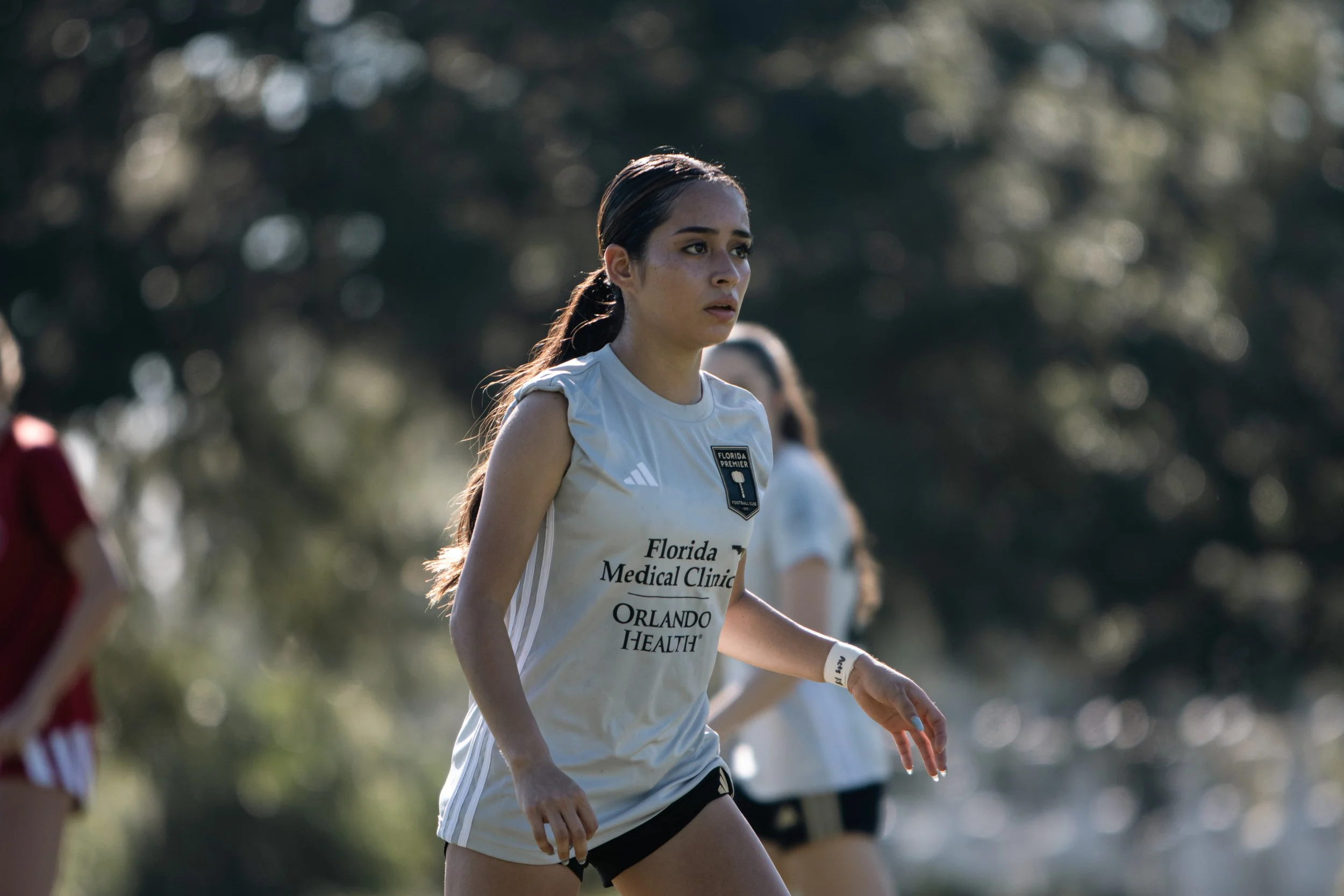
Culture: A strong club culture centered around the principle of “One Club, One Family” and a culture that develops coaches intentionally and wholeheartedly.
Community Investment: Florida Premier FC is committed to investing in “homegrown Lakeland people and local players.”
Asked about what will ultimately lead to long-term success, Delgado points away from the coaching staff and directly to the players: “The ones that deserve the credit is your kid. They’re the ones putting in the work. In soccer, if you have resilience, you’ll make it—you’ll definitely make it”.
A Structured Approach to Success
To manage expectations and ensure every player is placed in the optimal developmental environment, Lakeland Premier FC offers a clear, tiered competitive pathway. This structured approach ensures teams compete at levels that challenge them appropriately, fostering both long-term growth and confidence.
The levels of competitive club play are:
Futures (U7 Athletes): An introduction to structured soccer, bridging the gap between recreational play and full competitive U8 standards. The focus is on a fun, supportive setting for the club’s youngest competitive players.
Youth Academy (U8 through U10 Athletes): This level emphasizes building strong technical foundations and core decision-making skills in an energetic environment. Players learn the fundamental game principles and what it means to be part of a competitive team.
Juniors (U11 and U12 Athletes): At this stage, players sharpen their individual game and begin tactical team-level training. This group starts the critical transition toward the 11v11 format of the senior game, preparing them for higher demands.
Seniors (U13 through U19 Athletes): This tier is reserved for committed, talented players who are ready for top-level professional coaching and talent-based competition. These teams compete locally, regionally, and, crucially, on the national stage, offering the highest level of exposure
“Our mission is to build Lakeland Premier into one of the top youth soccer clubs in the region, while creating a true pathway from recreational soccer all the way to the national platform such as the ECNL pathway and beyond,” Delgado says.
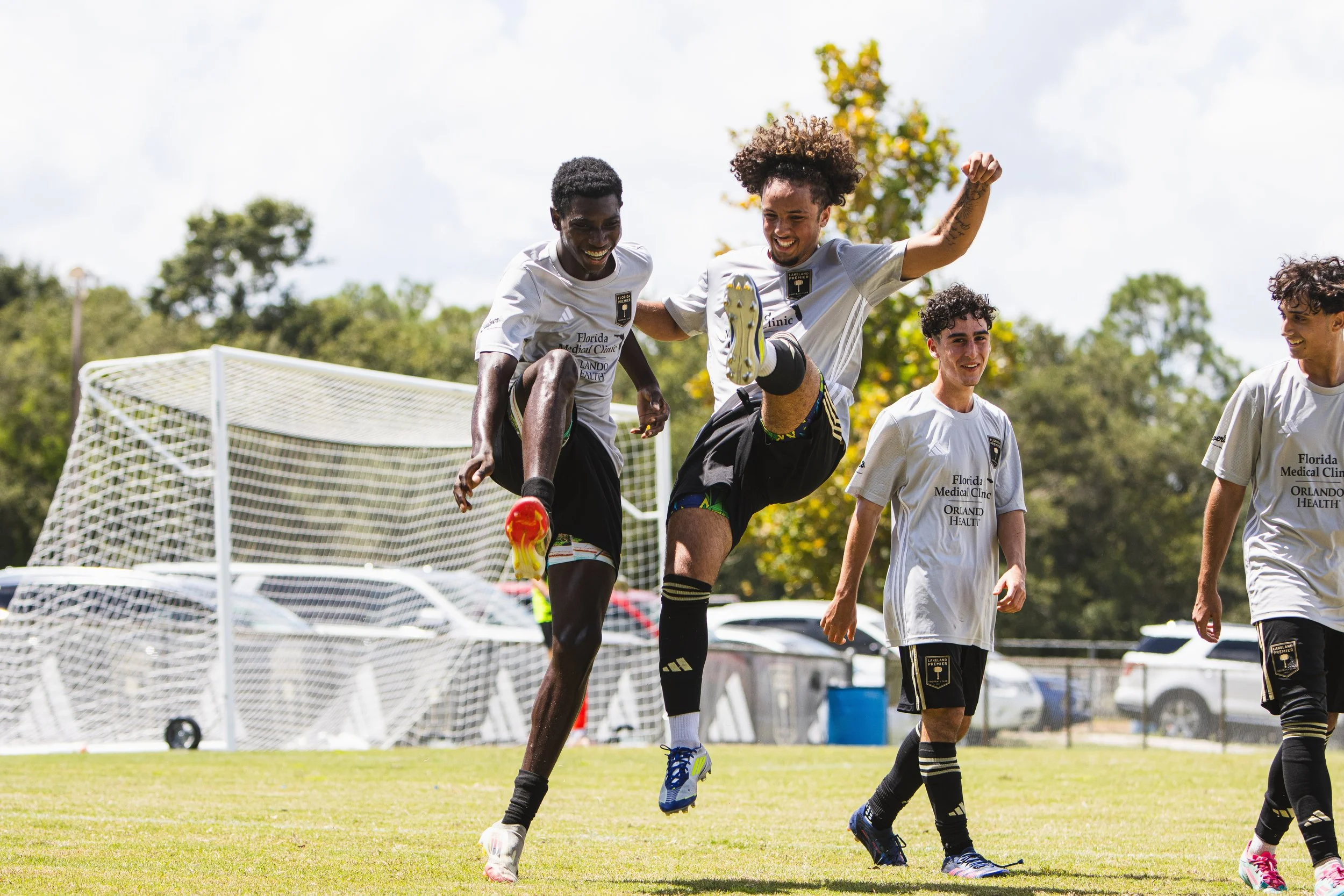
Developing Homegrown Talent—From Coaches to Players
The club’s commitment to development is evidenced by its heavy investment in coaching education Every competitive club coach receives ongoing support, education and training opportunities through the broader Florida Premier FC Youth Network, ensuring a consistent, high standard across all age groups.
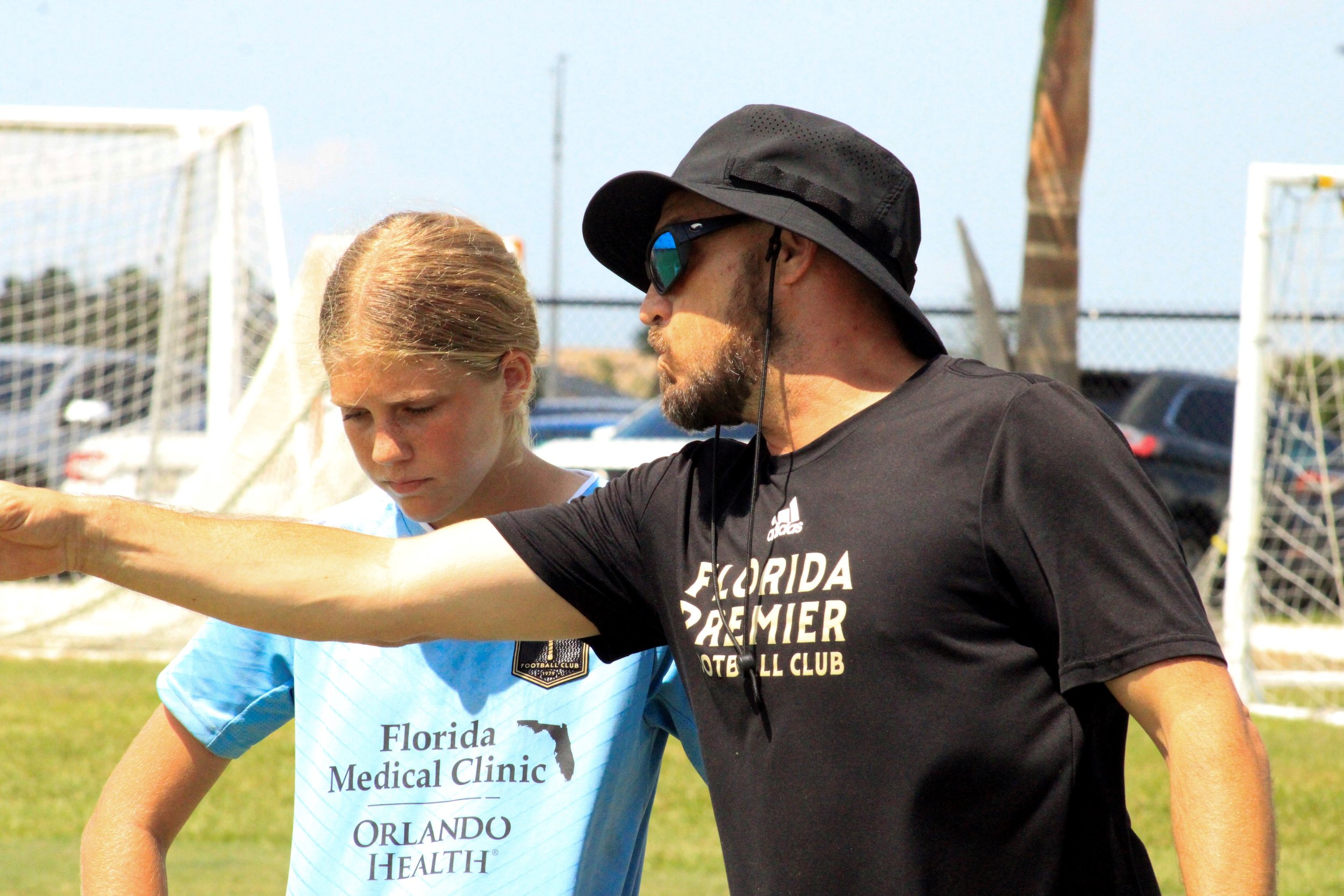
This commitment is led by figures like Nate Bender, Florida Premier FC’s Technical Director, a Tampa native who is known throughout the country for his youth soccer coaching prowess. Delgado says Bender, who is the U15 Boys National Team Coach and handles licensing for the US National Federation, is remarkably accessible considering how in-demand he is.
“He is hands on, he’s with you. He comes in, he helps you, he talks to you,” Delgado states. “He’s 100 percent accessible, which is something you don’t see at this level.”
“Our mission is to build Lakeland Premier into one of the top youth soccer clubs in the region, while creating a true pathway from recreational soccer all the way to the national platform such as the ECNL pathway and beyond.”
Beyond Bender, the coaching staff itself boasts an amazing depth of experience. This includes coaches who have played professionally in the Premier League for teams like Leicester City, and former Tampa Bay Rowdies players. This deep professional involvement ensures that instruction is top-notch and aligned with the demands and expectations of players and parents.
The tangible results of this partnership are already visible from some vantage points. On the boys’ side, Lakeland Premier FC had its first-ever Division I signee, when one of its players committed to play at Georgia Southern.
For the girls, five out of seven seniors signed to play at the collegiate level, including NCAA Division II and NAIA programs.
This success confirms Delgado’s belief that Lakeland and Polk County have amazingly gifted athletes who deserve the opportunity to play at the top ranks.
“We want Lakeland families to know that they can stay local and stay and still receive top level coaching, development and exposure,” he says.
Daniel Delgado
Director of Coaching,
Florida Premier FC
Recreational and competitive club
Headquartered at Hunt Fountain Park
FB + IG: lakelandpremierfc