
“What Do You Want to Be?”
Local internships and entry level jobs are helping Polk County students answer that question more effectively
PHOTOS PROVIDED BY LAKELAND REGIONAL HEALTH
As any parent of a teenager—or frankly, any high schooler currently staring down the barrel of graduation—can tell you, the question “What do you want to be when you grow up?” has moved from being a casual conversation starter to a high-stakes investigation living in an era of information overload and, at times, economic uncertainty.
In Polk County, however, there are more and more willing partners to help teens and young adults understand their post-high school options, thanks to an explosion of partnerships between Polk County Public Schools and local businesses—in part because of the catalyst organization ConnectED Polk, which exists to expand real-world opportunities for students.
OPENING UP A “SMALL CITY” TO STUDENTS
It is easy to look at a massive institution like Lakeland Regional Health (LRH) and simply see a hospital. But when you sit down with Scott Dimmick, the Senior Vice President and Chief Human Resources Officer, you quickly realize he and his leadership team don’t view it as just a series of connected buildings; they view it as a “small city.” And he is right. Beyond the surgeons, primary care physicians and nurses, LRH functions as a bustling urban center, employing everyone from computer scientists and engineers to food service experts and housekeepers.
According to the Bureau of Labor Statistics, the healthcare and social assistance sector is the fastest growing industry nationally and is expected to provide nearly two million new job opportunities over the course of a decade.
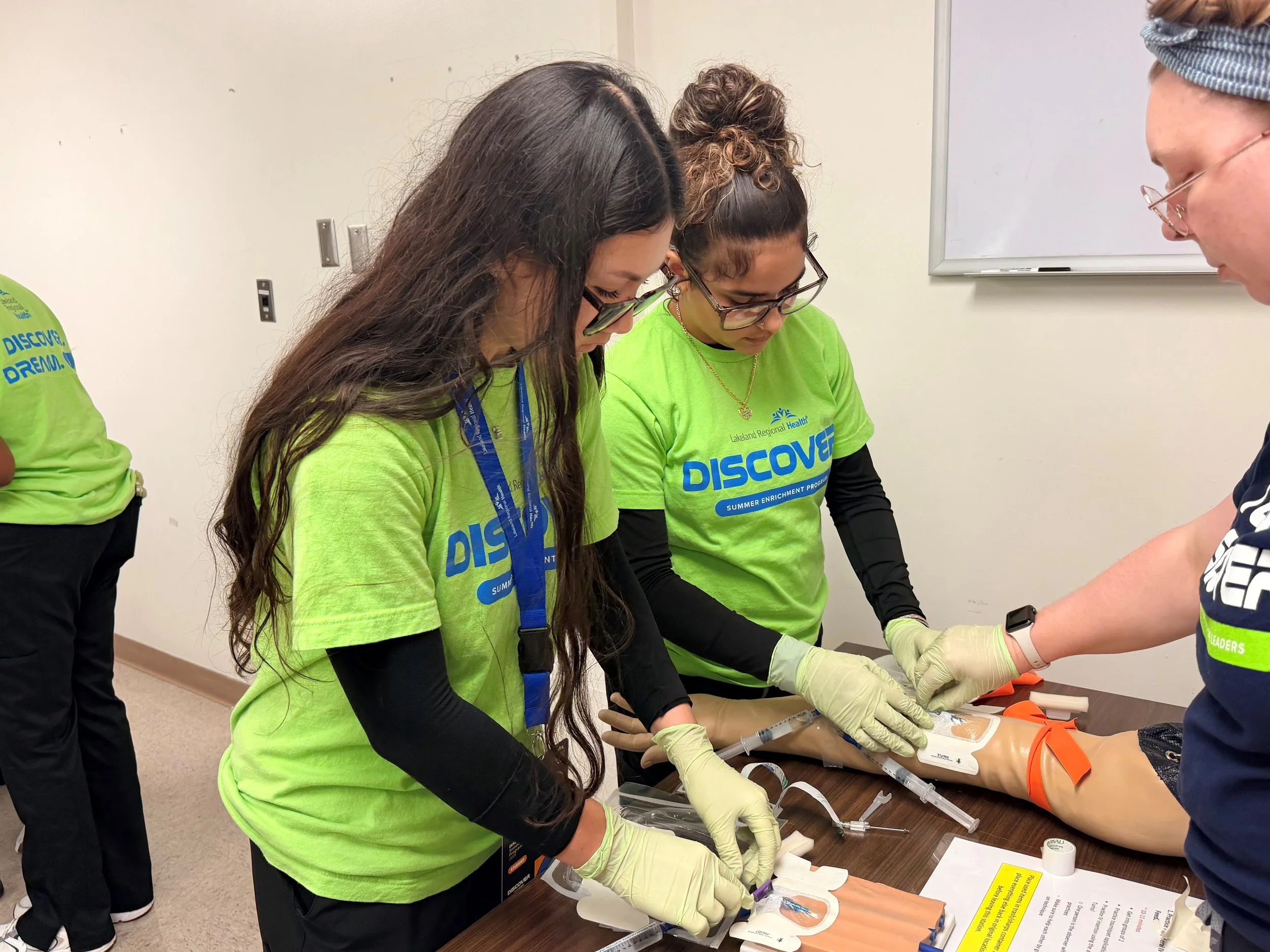
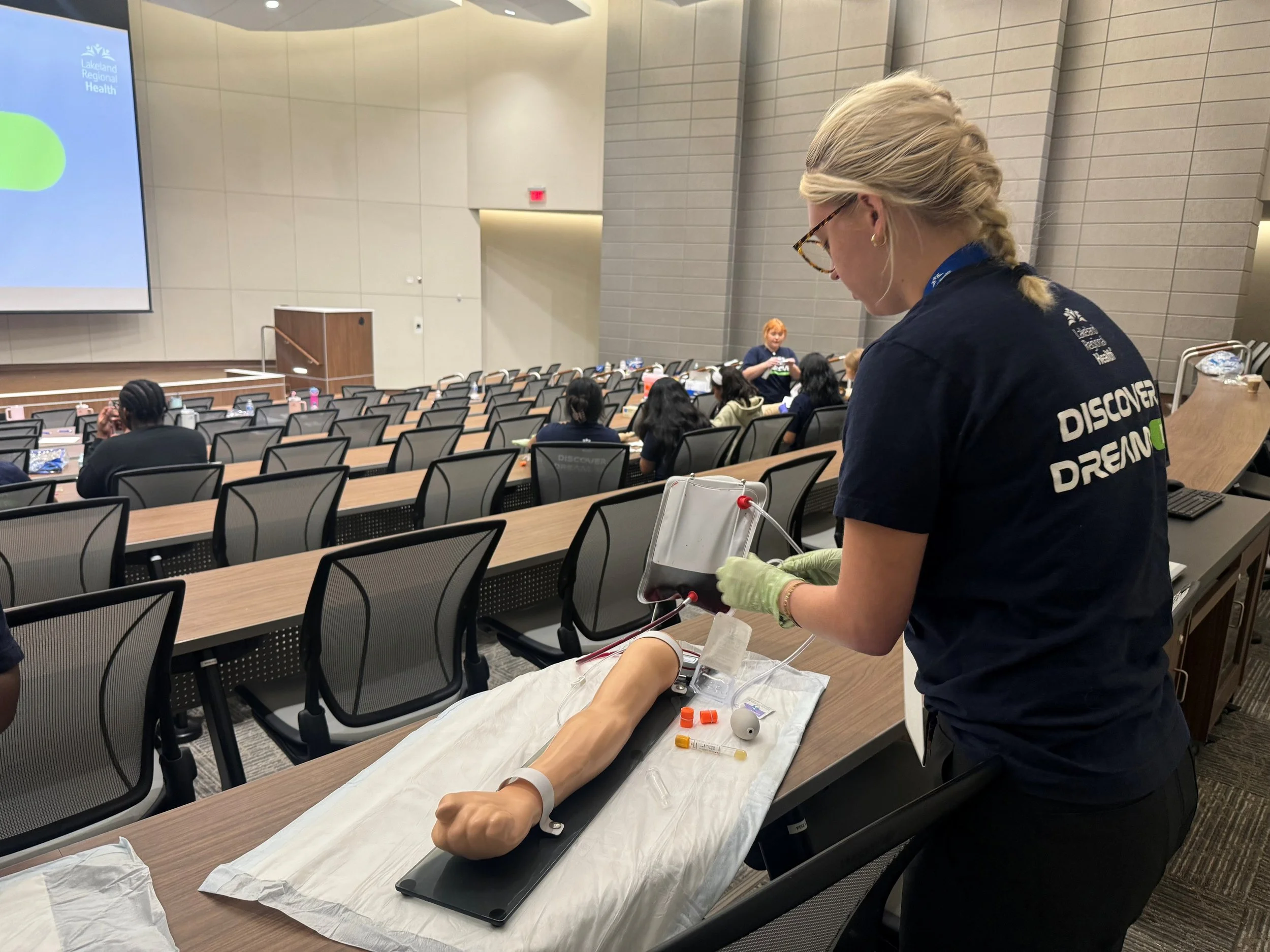
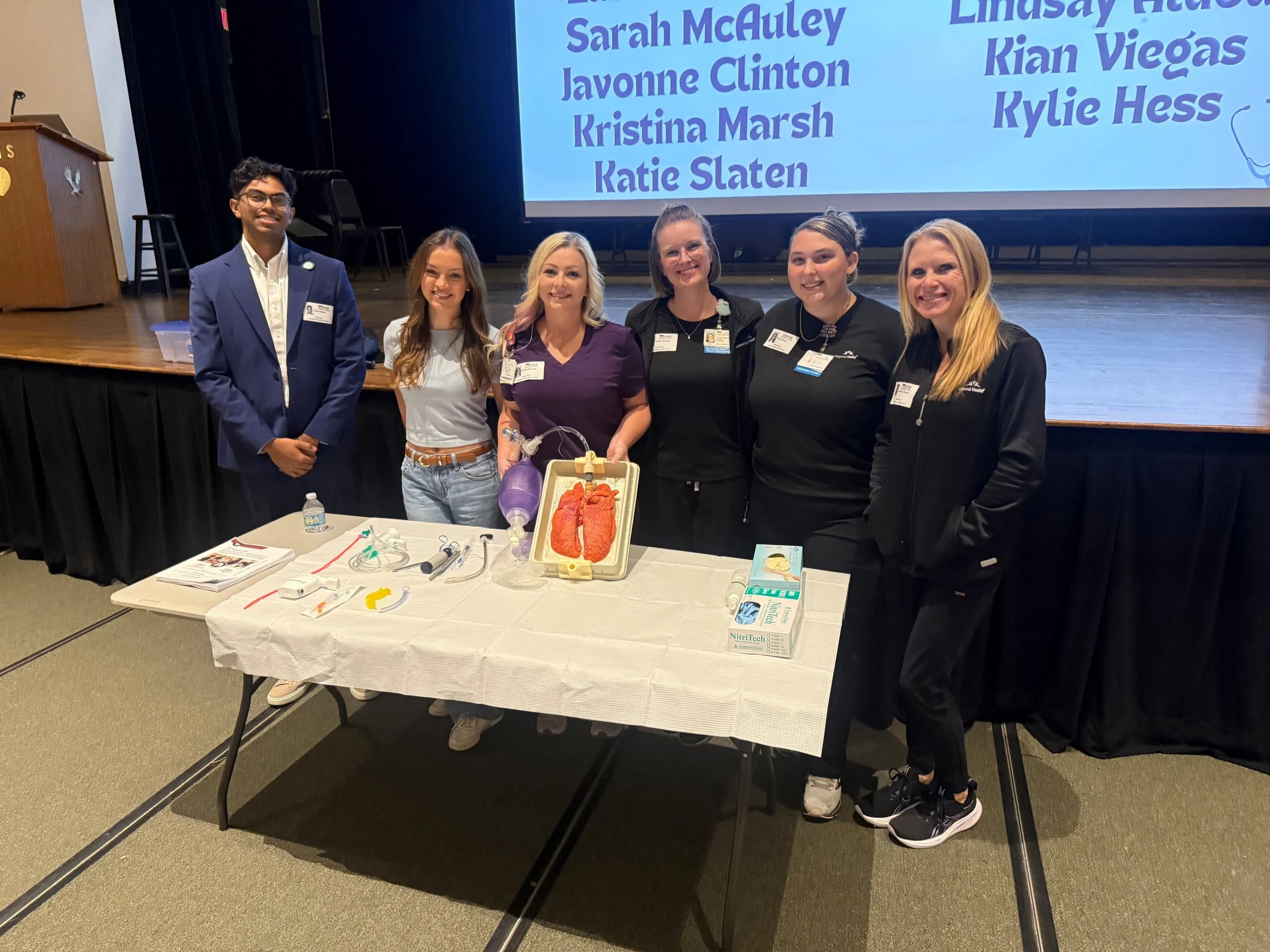
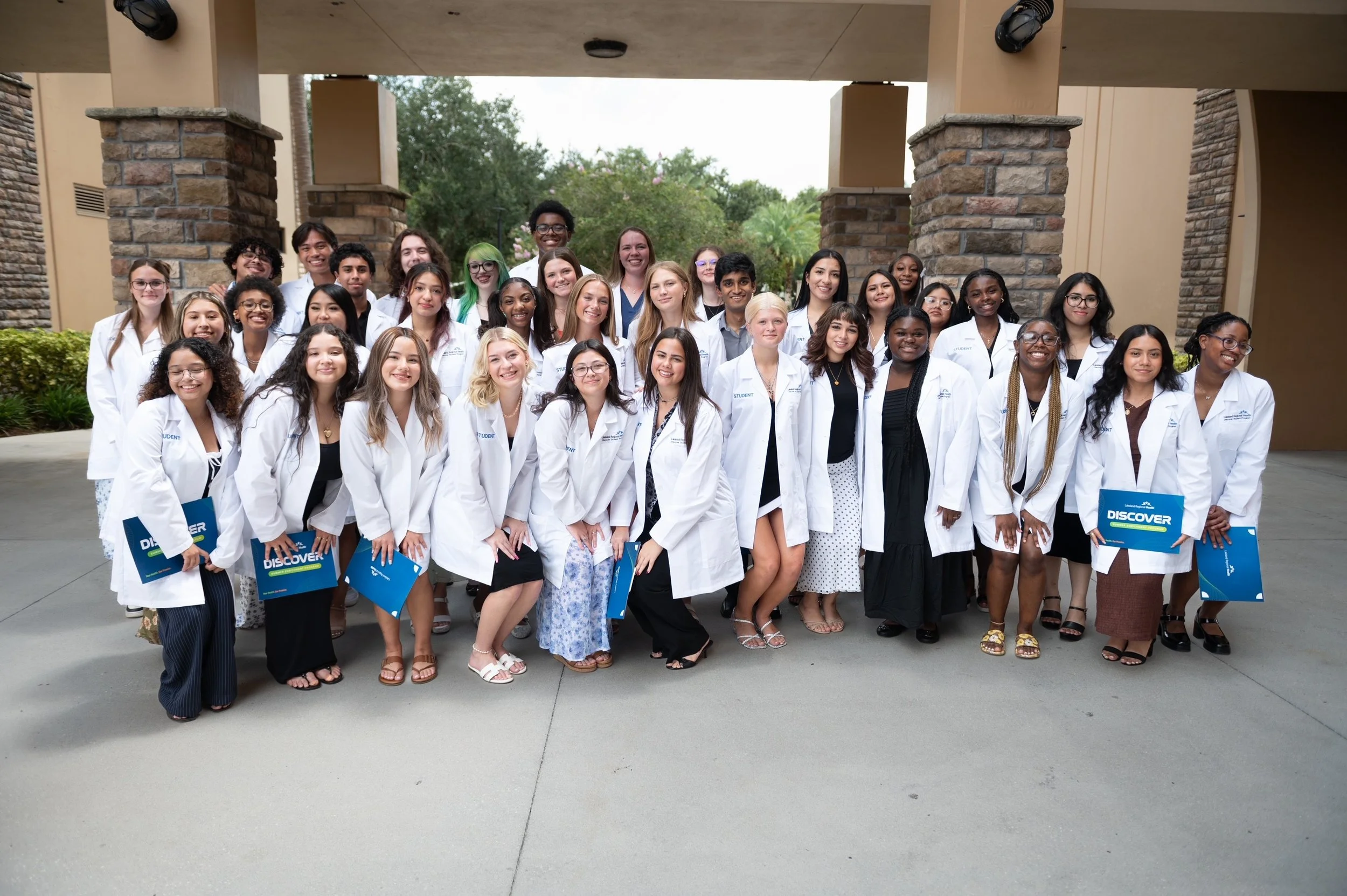
For students trying to find their professional footing, the sheer breadth of opportunity can be both daunting and exhilarating. LRH has leaned into this, moving from offering traditional, sporadic internships to a robust, multi-phase pipeline. Whether a student wants to jump straight into the workforce, pursue a specialized certificate, or ensure they get on the right path to earn a degree, the doors are open. LRH’s student engagement programs are comprehensive, ranging from annual Healthcare Career Expos and summer discovery immersion programs to work-based learning internships where students can earn high school credit while gaining real-world experience.
For Dimmick, and for the professionals who walk alongside the students, the excitement isn’t just in the logistics—it is in the transformation. When he talks about the students who walk through their doors, his voice carries a palpable sense of pride. He isn’t just looking to fill future vacancies or check a box, he is looking to help young people find their fit.
“We’re always incredibly impressed with the students we get to work alongside,” Dimmick says, noting the intellectual curiosity and maturity of the 14-to-18-year-olds participating in their outreach.
He highlights the “50 fully funded career advancement programs” as a cornerstone of LRH’s commitment. When high school graduates become employed they are offered the chance to be trained for a specific career and be eligible for future promotions in clinical, non-clinical, IT and administrative positions.
“There’s nothing more fulfilling,” Dimmick says, “than having somebody start in one job and progress.” He emphasizes that while technical skills are essential, the secret sauce of these programs—teaching soft skills, active listening, and emotional intelligence—is what truly prepares these students for work and life. This culture of engagement is the standard at LRH, evident by the fact that the healthcare system was recently recognized with the Gallup Exceptional Workplace Award, one of only 10 healthcare systems in the entire United States to earn that distinction.
PRACTICING WHAT THEY PREACH
The intentional shift toward structured, career-focused experiences is echoing not only throughout PCPS, but also at the district office. Jeannette Crowley, Director of Strategic Partnerships for PCPS, has had a front-row seat to this evolution. Having worked for the district for more than a decade and with a background as a business partner herself, Crowley views these opportunities as essential to the district’s “Students First” mission.
“I always feel that somebody gave us an opportunity to get started,” Crowley says, noting now it’s up to people like her to do the same for the next generation. When she recently hosted a student intern for 24 hours of project-based work—ranging from event management for the District Advisory Council to assisting with public relations projects—she saw firsthand how these experiences serve as a confidence builder.
“It opens their eyes,” she notes. “They might think they want to go into graphic design or marketing, but giving them these experiences helps them determine if that’s actually the path they want to take.”
CONNECTED TO A BRIGHTER FUTURE
Under the leadership of President Melody Rider, ConnectED Polk has become the ultimate “dot connector” between businesses and education leaders. They are troubleshooting barriers, scheduling mock interview days, and facilitating pilot programs like the new work-based learning internship launching at Lake Gibson and George Jenkins
High Schools.
For local business owners who might be on the fence about inviting high schoolers into their workspaces, Crowley offers a gentle nudge: “We can learn a lot from our students, too.” It’s a two-way street. By opening workplaces, these partners aren’t just helping students, they are staying relevant and investing in the community’s future workforce.
Primary and secondary education is no longer just about classroom theory, it’s about practical, hands-on experience that bridges the gap between classroom work and a meaningful career. It’s about ensuring that when our students look toward the future, they don’t just see a blank slate—they see a map.