
A New Wave Rising in the Rent-to-Own Market
ILLUSTRATED BY JON SIERRA

Divvy Homes offers a new school approach to an old school option for home ownership
How does the Divvy rent-to-own model work?
Say the words “rent to own” and someone might shoot you an uneasy look or even worse, start talking about predatory lending practices.
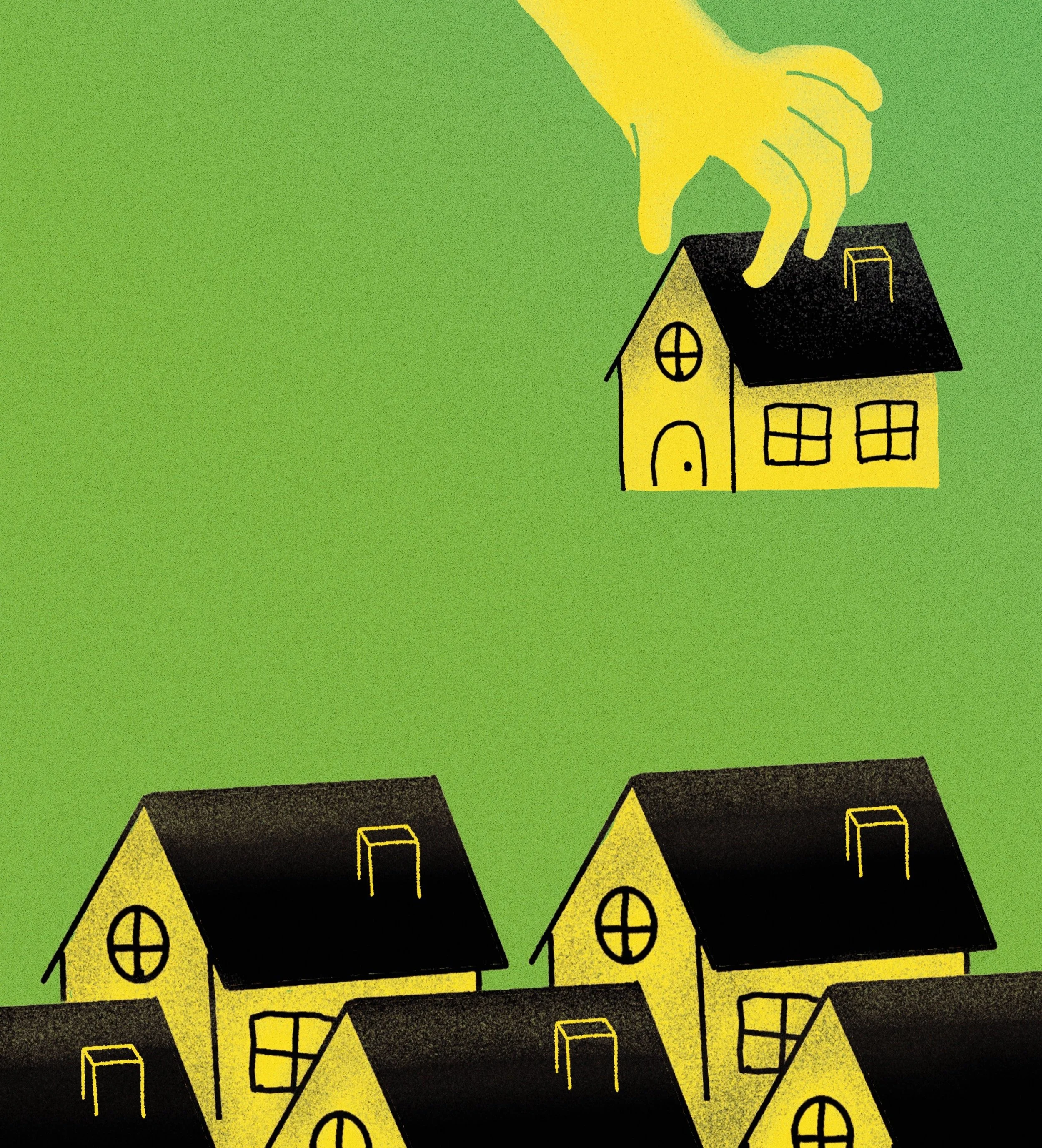
It’s true that many of the well-documented risks are legitimate and the initial home owner — often a corporation — has leverage over the renter, but the marketplace is evolving. Several new players are adding some creative and consumer-friendly wrinkles that make rent-to-own a more palatable option, especially for prospective buyers who are working on building their credit scores or cannot afford a traditional down payment on a home.
One of those disruptors in the market that has come to Central Florida and Polk County is Divvy, a property focused technology startup that says its mission is to “make home ownership accessible to everyone.”
On the company’s website, divvyhomes.com, there are nearly two dozen homes available in Polk County where renters can start leasing to lock in a purchase price on the home that is based on current and projected market conditions, as well as how soon the buyer purchases the home. A renter has up to three years to purchase the home at the contracted price.
The company is based out of San Francisco and has a valuation of more than $2 billion dollars despite being less than five years old.
It has been profiled by the “New York Times”, is mentioned frequently in articles about more people warming up to more unconventional routes to home ownership, and it was even recently named one of the best workplaces in the Bay Area by “Fortune Magazine.”
What follows is quick education on the Divvy model, some insights from industry experts of rent-to-own and an interview with Tom Egan, CFO at Divvy Homes, with a special interest to Central Florida home buyers in particular.
1.
You locate a home in Divvy’s inventory that you would like to purchase, which contractually has to be done within three years
2.
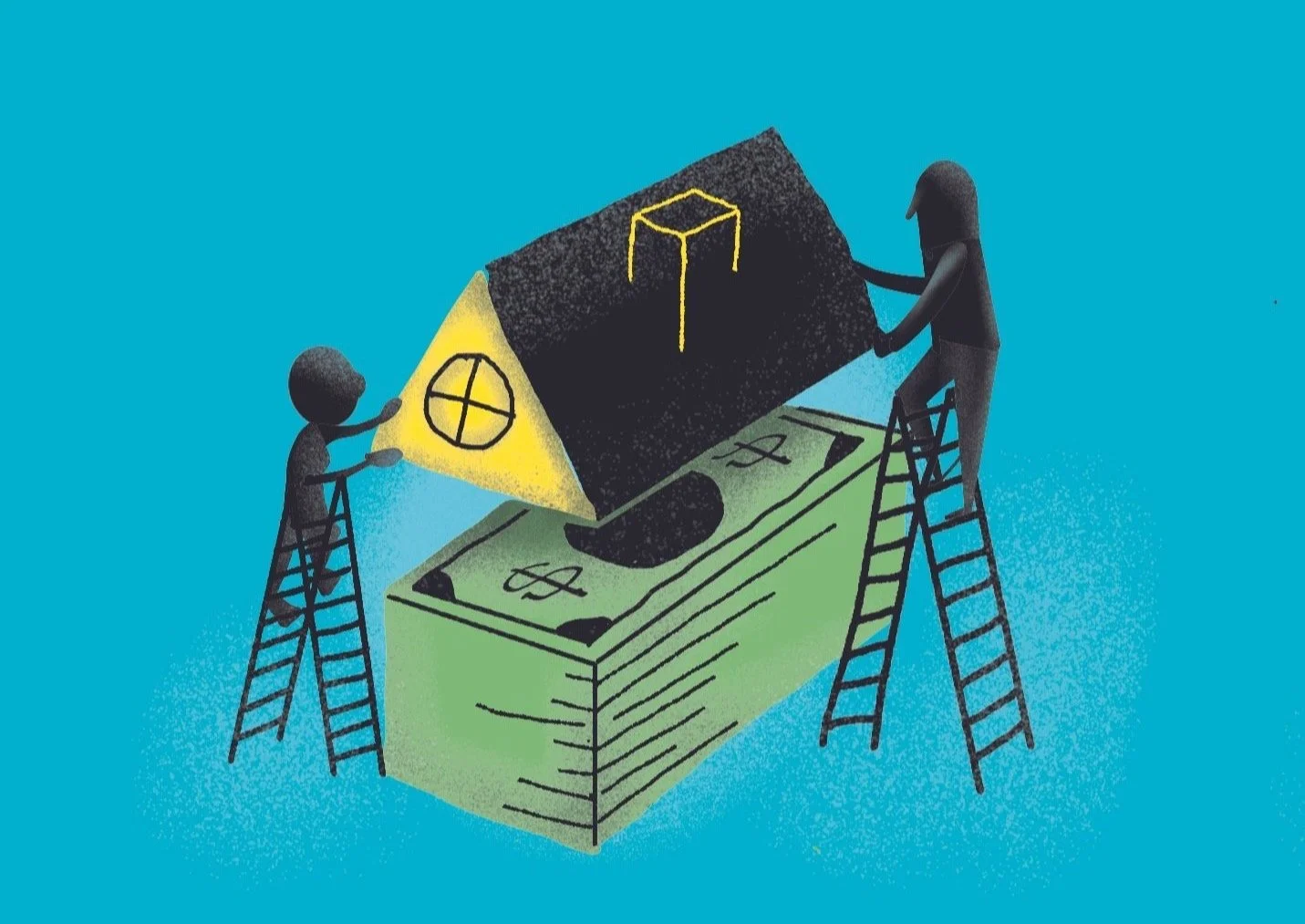
You make a one-time, upfront payment (1 to 2 percent of your home’s value) that goes straight toward savings for your future down payment
3.
As part of your monthly payment, 5 to 25 percent of those funds go into a “savings” that will be applied to your home purchase price if/when you qualify for a mortgage and decide to purchase it
4.
Divvy is responsible for all major repairs to the homes they own, and tenants agree to work closely with them to schedule those repairs in a timely and agreed upon manner; the maintenance costs are built-in to the monthly payments
5.
If you decide to purchase the home, it is based upon the agreed upon price for purchasing it either before 18 months of renting or before and up to 36 months of renting; if you choose to not purchase the home or cannot qualify for a mortgage you must provide a 60-day notice; you will retain the “savings” funds you have put in on a monthly basis and will be charged a relisting fee.
Example of an actual Divvy home in Lakeland (as of mid-July)
2605 S. Lincoln Ave.
3 bedroom, 2 bath
Listed price: $380,000
Monthly payments: $2,810 w/5 percent going into home savings account, $3,405 w/10 percent going into home savings account
Buyback price before 18 months: $417,193
Buyback price before 36 months: $454,385
What financial experts are saying about rent-to-owN
PROS
You don’t have to wait to build up a down payment to lock in the home you want, and you don’t have to qualify for a mortgage right away
It allows potential homeowners to pay down debt while putting money toward a “down payment” concurrently
You can avoid buyer competition, and everything is negotiable
It provides a tenant the opportunity to get in a home they love with time to build their credit
CONS
Rent is almost always more expensive on a monthly basis than a mortgage for the same house
You often lose money if you decide not to purchase the house
If the owner defaults on the home while you are in a rent-to-own agreement you could be forced to leave
Locking in a purchase price far in advance of qualifying for a mortgage is a roll of the dice because of often changing market conditions

DIVVY CFO Tom Eagan on earning consumer trust:
“...everybody always told their kid don’t get in the back of a car with somebody that you don’t know, who’s offering you candy. And now we all do it every day. We get in the back of an Uber or in the back of a Lyft. And it’s not because suddenly you just weren’t cynical or skeptical about it anymore, but it’s in many cases, it’s just that you gotta figure out how to cross that trust chasm. So you have to do it yourself and you have to earn that trust for us. It is very much earned.”
Read the interview with Divvy’s CFO, including why the company has ventured into Central Florida, at
www.thelakelander.com/divvy