
How One Florida Organization is Changing the Game for Student Heart Health Screening Before It’s Too Late
PHOTOS PROVIDED BY WHO WE PLAY FOR AND LOCAL FAMILIES
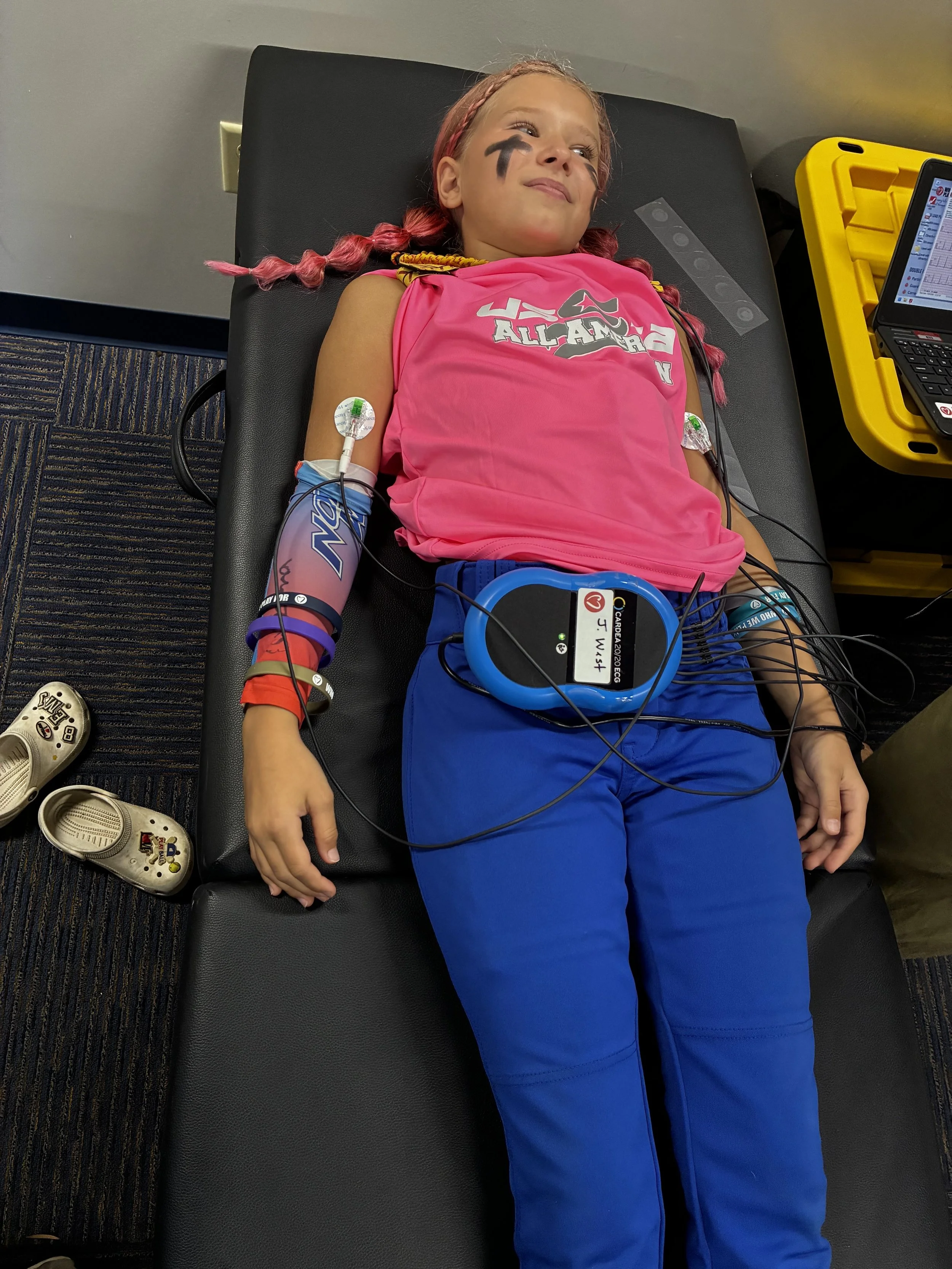
Am I ever going to be able to play sports again?
When Brooklyn Strawbridge learned that she had Wolff-Parkinson-White (WPW) syndrome, a heart condition where an extra electrical pathway causes events of rapid heart rates, she feared the worst: that life would never be normal again. In that frightening moment, her mind raced as she wondered how her diagnosis would change her future.
Though she had felt some irregularities in her heart’s pace, Brooklyn doubted she had any reason to be concerned, assuming it was likely anxiety. But when Who We Play For—a Florida-based organization that advocates for and provides resources related to student heart health—hosted a screening event at her school, her dad thought it would be beneficial to sign her up.
The test revealed the diagnosis of WPW. Doctors at Nemours Foundation in Orlando were on her side to encourage her. They shared treatment options and assured her she would be able to continue playing sports.
“I'm kind of learning to listen to my body, and understand when I'm playing sports that I should be thankful,” she said.
Today, Brooklyn has immense appreciation for still being able to play soccer, a sport she loves.
Many young people never realize that they have an issue with their heart. Often, symptoms do not show at all. Regular health check-up’s might not detect abnormalities, and if a condition remains unnoticed, it can be very dangerous.
Sudden cardiac arrest (SCA) occurs when the heart stops beating and cuts off blood flow to a person’s organs, meaning every minute of response time is critical to long-term outcomes.
The Sudden Cardiac Arrest Foundation states that nine out 10 times SCA results in death.
Recently, Who We Play For helped to pass legislation in the state of Florida that requires high school athletes to receive an electrocardiogram (EKG), a type of heart screening, with their sports physical. Florida’s Second Chance Act was a major breakthrough for the organization’s cause, informing young athletes of the risk of heart issues.
The organization ensures that those in the rising generation receive the chance to discover heart conditions before catastrophe strikes. Stories of those who didn’t have the same chance reveal the value of this effort.
Lakeland High School student Julia Black was in a good rhythm of life. She played with the varsity volleyball team, and was a member of the orchestra at Harrison School for the Arts.
There were no physical indications that she was anything but healthy. But on Oct. 27, 2023, she passed away unexpectedly at the age of 16 from sudden cardiac arrest. Her heart condition never revealed itself through any symptoms before the tragedy. An autopsy revealed that the SCA was caused by Arrhythmogenic Right Ventricular Cardiomyopathy (ARVC).
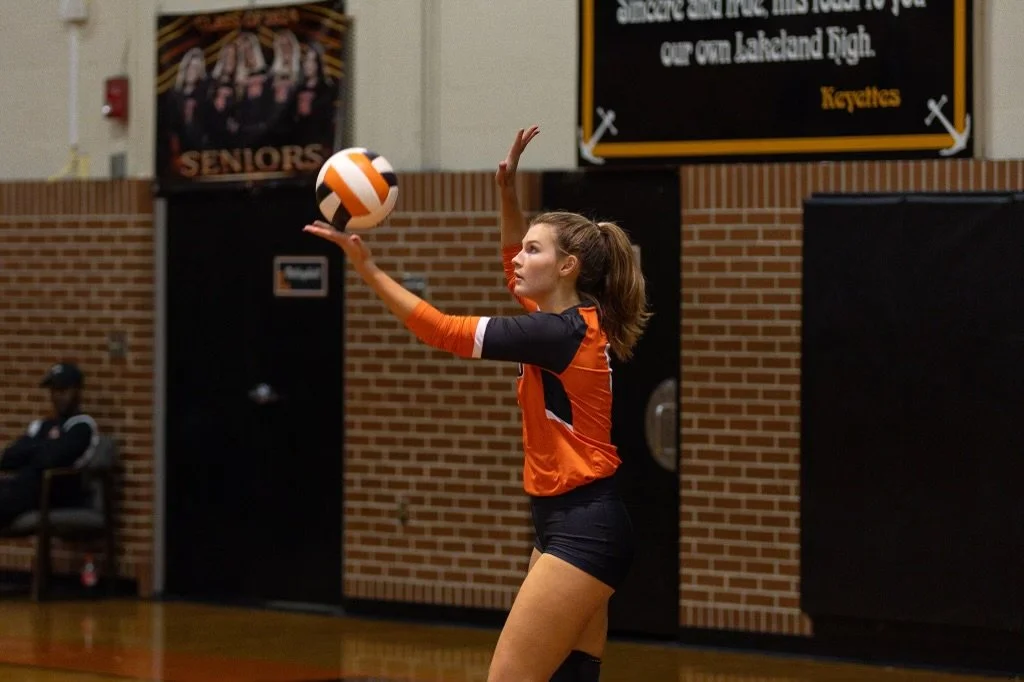
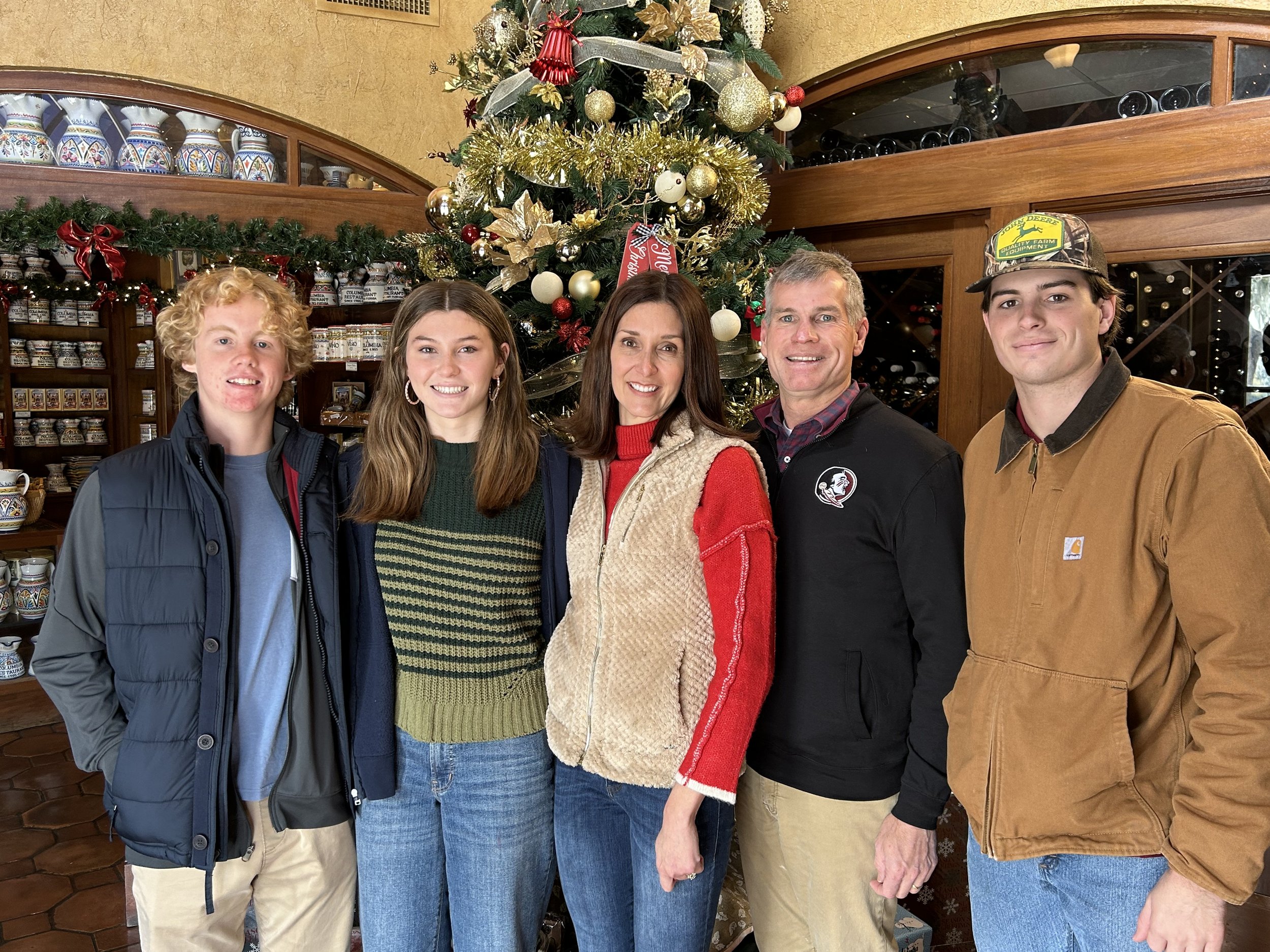
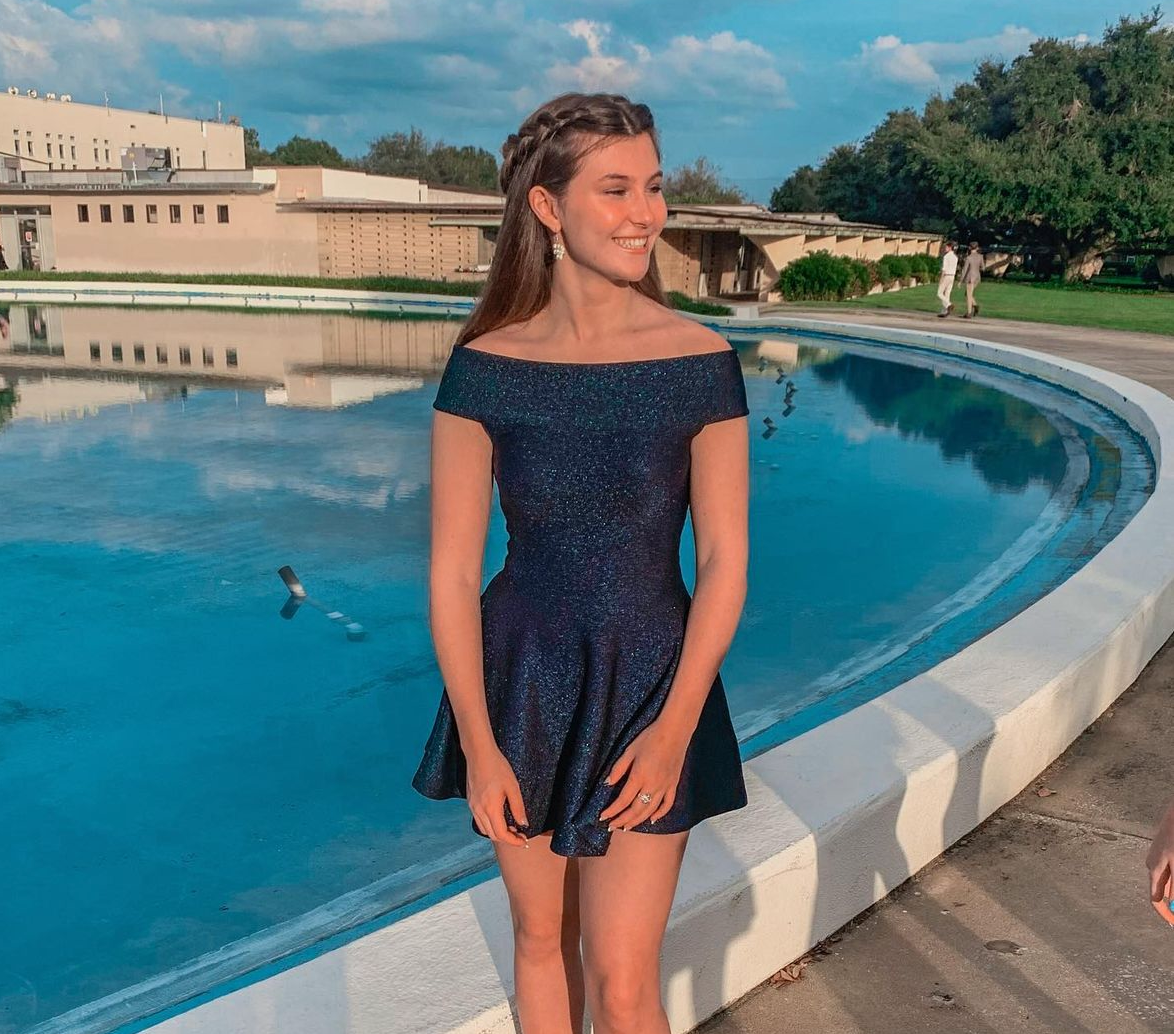
Julia is remembered as a beloved member of the Lakeland community. Her story brings attention to the severity of hidden health issues and the importance of early detection.
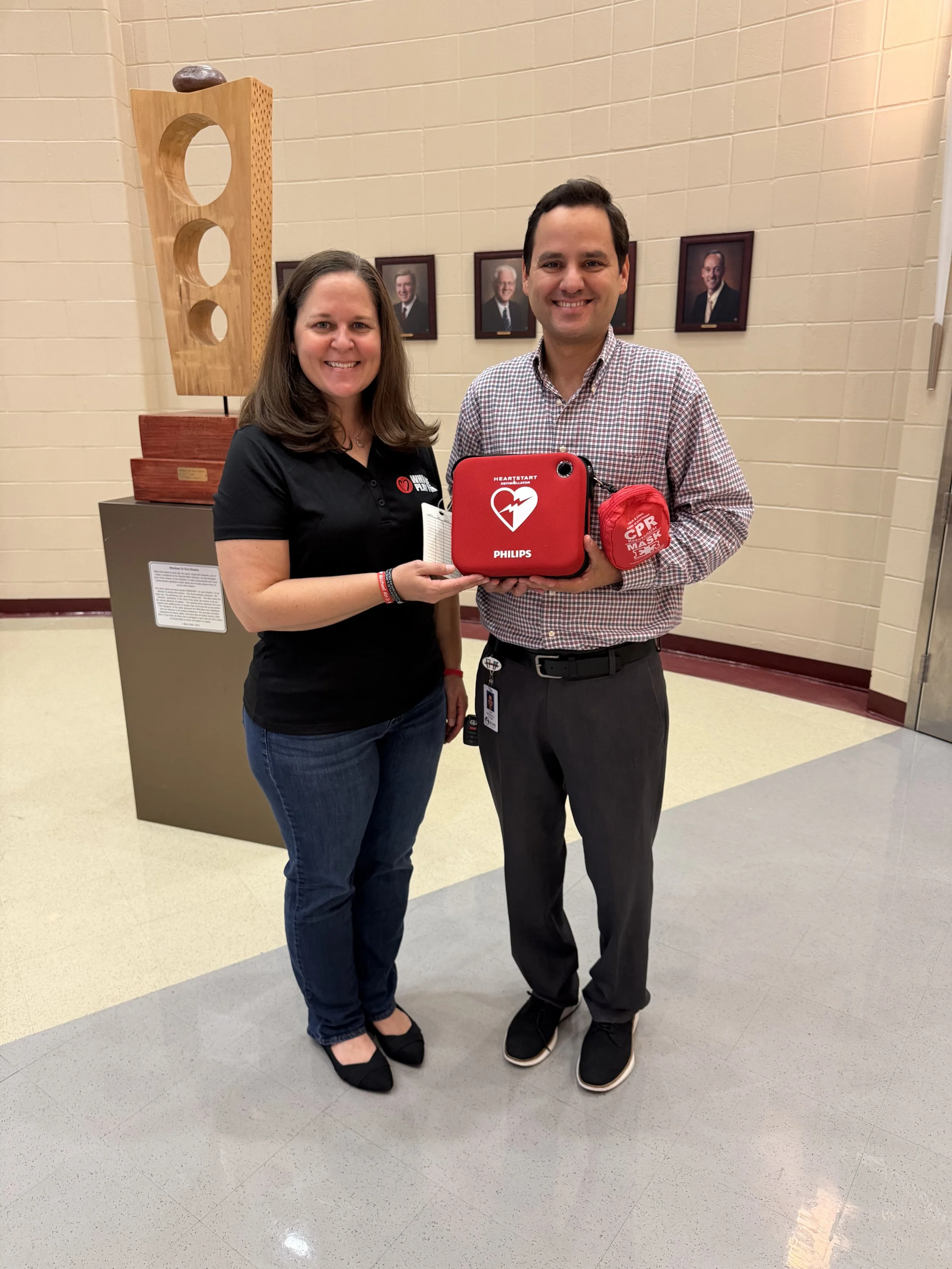
Who We Play For’s Heart Screening Directors reach out to schools and athletic programs in the area to ensure that students have access to EKGs and equipment to respond to heart-related emergencies.
Sara Goodrich, one of three screening directors for Polk County, is committed to raising awareness about the prevention of SCA and related crises. “I just feel like I'm fulfilling a greater purpose,” she described.
She and her colleagues continue to collaborate with Dan Talbot, Senior Director of Athletics for Polk County Public Schools, to develop self-service EKG programs so that local kids can be screened more frequently.
While the Second Chance Act has been a proud accomplishment of Who We Play For, it is what Sara calls a “foot in the door.” Currently, only high school athletes are required to get their hearts checked. Yet all kids are susceptible to SCA, including younger athletes and students who don’t play sports. According to the American Heart Association, it is the leading cause of health-related death on school campuses.
“If you have a heart, you need to have it screened,” she noted.
Who We Play For offers heart check-ups on several occasions throughout the year. On October 29, 64 students at Harrison School for the Arts received screenings, including 17 who were screened using an ECG machine and laptop named after Julia.
More registration details for individuals 10 to 25 years of age are available at https://www.whoweplayfor.org/heart-screening-registration.
A Nonprofit With a Heart for Local Youth and Young Adults
Sara Goodrich, a screening director for Who We Play For, presents Harrison School for the Arts Principal Gian Monacelli with a defibrillation device.