Giving Patients a Piece of His Heart and Mind
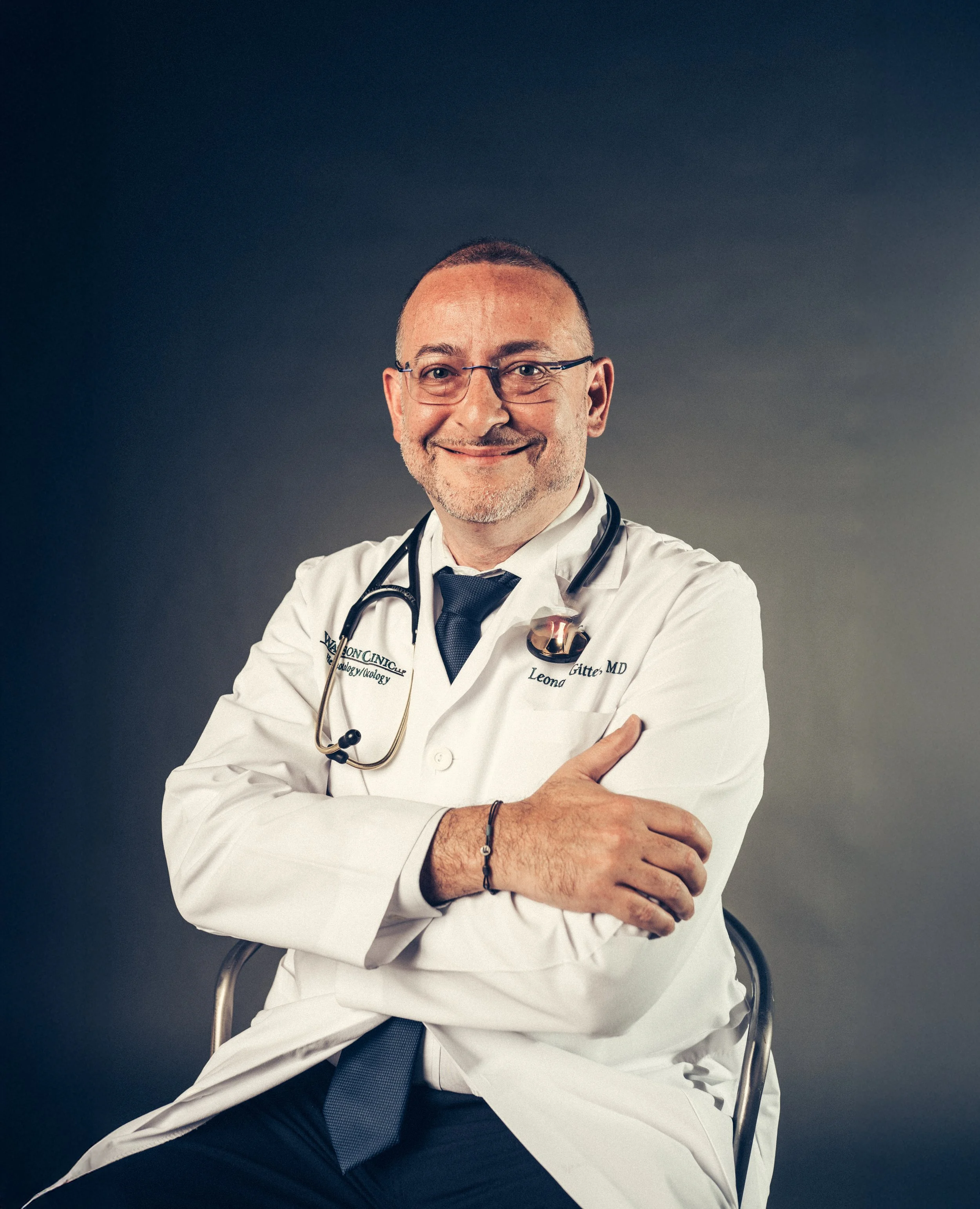
Dr. Leonard Gitter
Oncology/Hematology, Watson Clinic
Depending on where he is, you may see Dr. Leonard Gitter in his medical coat, a t-shirt or even a Tampa Bay Lightning jersey.
But no matter where Dr. Gitter is, a quick glance at his right wrist reveals a simple bracelet bearing a Jewish symbol: the word Chai, which means “life” or “to live.” It’s a deeply meaningful word—both personally and professionally—for the Oncology-Hematology doctor, who has been caring for patients at Watson Clinic for nearly six years
If you try to pinpoint Dr. Gitter’s upbringing based on his accent, good luck. He was born in Ukraine, attended high school in New York and spent several years at a highly renowned medical school in Israel. He speaks Russian, Ukrainian, Hebrew and English.
If you try to pinpoint why Dr. Gitter loves medicine and the opportunity to continually make a difference in the lives of individuals facing challenging diagnoses, the answer is much more clear.
By the age of seven, Dr. Gitter knew he wanted to be a doctor, and that dream really solidified when as a young teen he volunteered at Coney Island Hospital (since re-branded South Brooklyn Health). Fast forward to his residency at the now-shuttered St. Vincent’s Hospital in Greenwich Village and one moment stands out as a catalyst for his lifelong commitment to what he calls giving patients “a piece of his heart and mind.”
He noticed a patient who was about to be discharged had a concerningly low platelet count, and he immediately contacted his supervisor even though it was nearly time for a shift change.
It turned out the patient was suffering from acute leukemia. Over the course of the next few hours the medical team performed a blood transfusion and the patient even began chemotherapy.
“From that point forward, I knew that I wanted to be in this line of work, and even though there can be a lot of pressure, I thrive in that environment,” he said.
He went on to earn a bachelor’s degree in biology from Cornell University before continuing his medical education.
He and his team at Watson Clinic handle everything from diagnosing and treating blood disorders, various cancers, and high-risk GI issues to performing stem cell and bone marrow transplants.
Collectively Dr. Gitter and his team are able to draw on their experiences to learn about a myriad of diseases, how these diseases behave and the various treatment options they can employ to target them. He acknowledges his career choice is really a 24/7 job, and he spends a lot of time reading studies, attending national healthcare conferences, and engaging in additional activities to expand his knowledge and skillset.
“I tell my patients that what they see during an appointment is just the tip of the iceberg. Most of the iceberg is submerged in water where you can’t see it,” he said. “We have a dedicated team of RN’s, social workers and others diligently working on behalf of each patient.”
He expressed deep gratitude for his colleagues at Watson Clinic, specifically naming General Surgeons and Surgical Oncologists Dr. Dany Barrak and Dr. Thomas Moskal, Breast Surgeon Dr. Elisabeth Dupont, Oncologist-Hematologist Dr. Shalini Mulaparthi and Radiation Oncologist Dr. David Graham.
“At the Watson Clinic Cancer & Research Center,” he said, “we all work as a team.”
He acknowledges that sometimes people have to wait longer than they would like for an appointment, but that is sometimes a side effect of providing comprehensive care and service to every patient.
“If you see two ice cream trucks and one has a really short line and one has a long line, which one would you rather go to?” he says with a smile.
Dr. Gitter says he wants to continue to build his legacy of being a caring, compassionate doctor—and a sudden personal loss he experienced last year has even amplified that sentiment.
In March 2024, his 6-year-old son Adam passed away unexpectedly following a bout with a short viral infection.
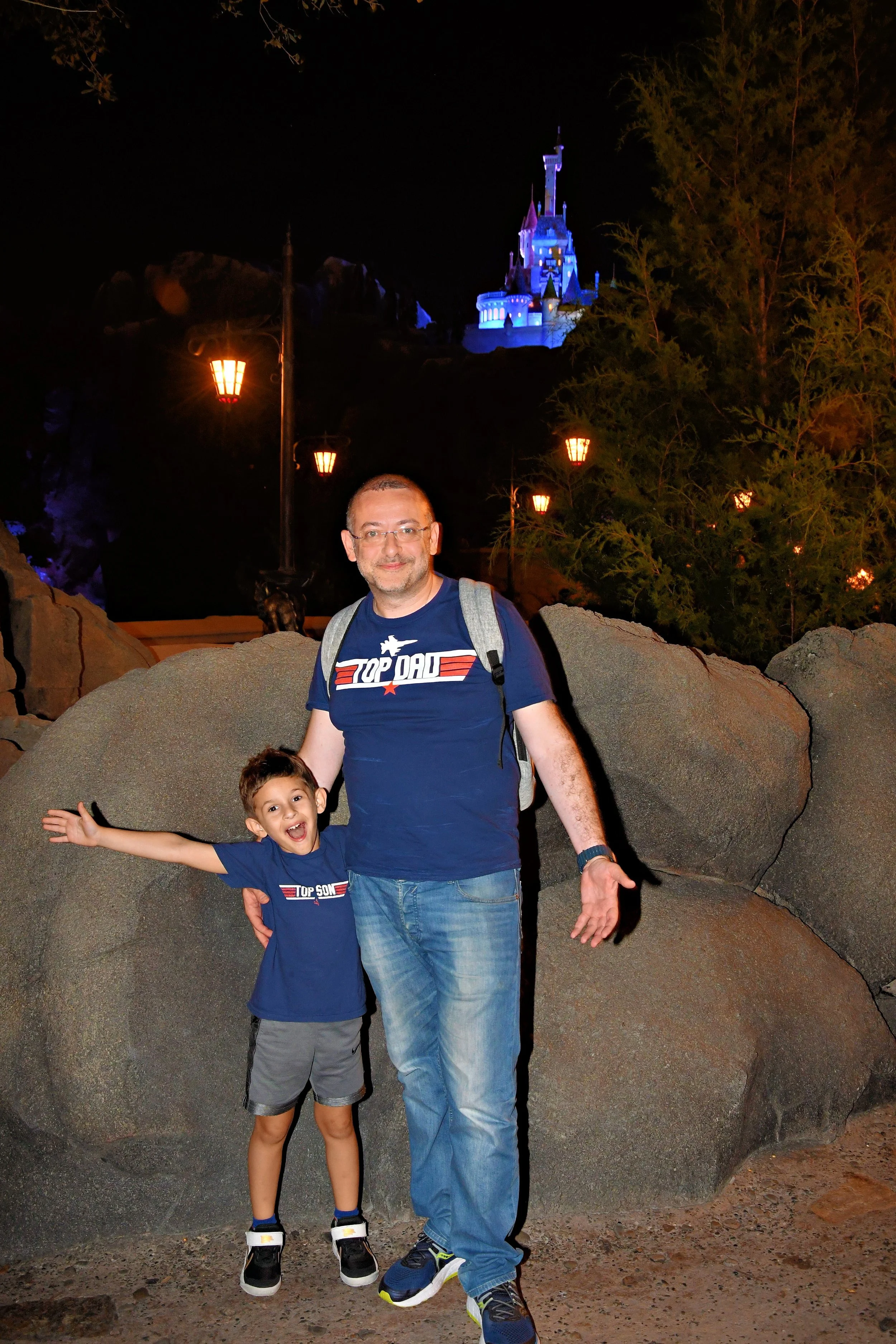
“He was my heart and soul. This loss shook me at my core. It was completely unexpected,” he said, noting that his son loved Disney, playing soccer, reading and going to Lightning hockey games with his dad.
He said he doesn’t see himself ever completely getting over the loss of Adam, but it has given him deeper empathy for what some patients are walking through and also motivated him to become a better person and man.
“I try to simply focus on living every day because I know that’s what he would want me to do,” a tearful Gitter said, looking down at the bracelet a close friend gave him.
“I try to simply focus on living every day because I know that’s what he would want me to do.”