
Empathy and Innovation:
Meet the Experts of Emergency Care at LRH
DEVELOPED IN PARTNERSHIP WITH AND PHOTOS BY LAKELAND REGIONAL HEALTH
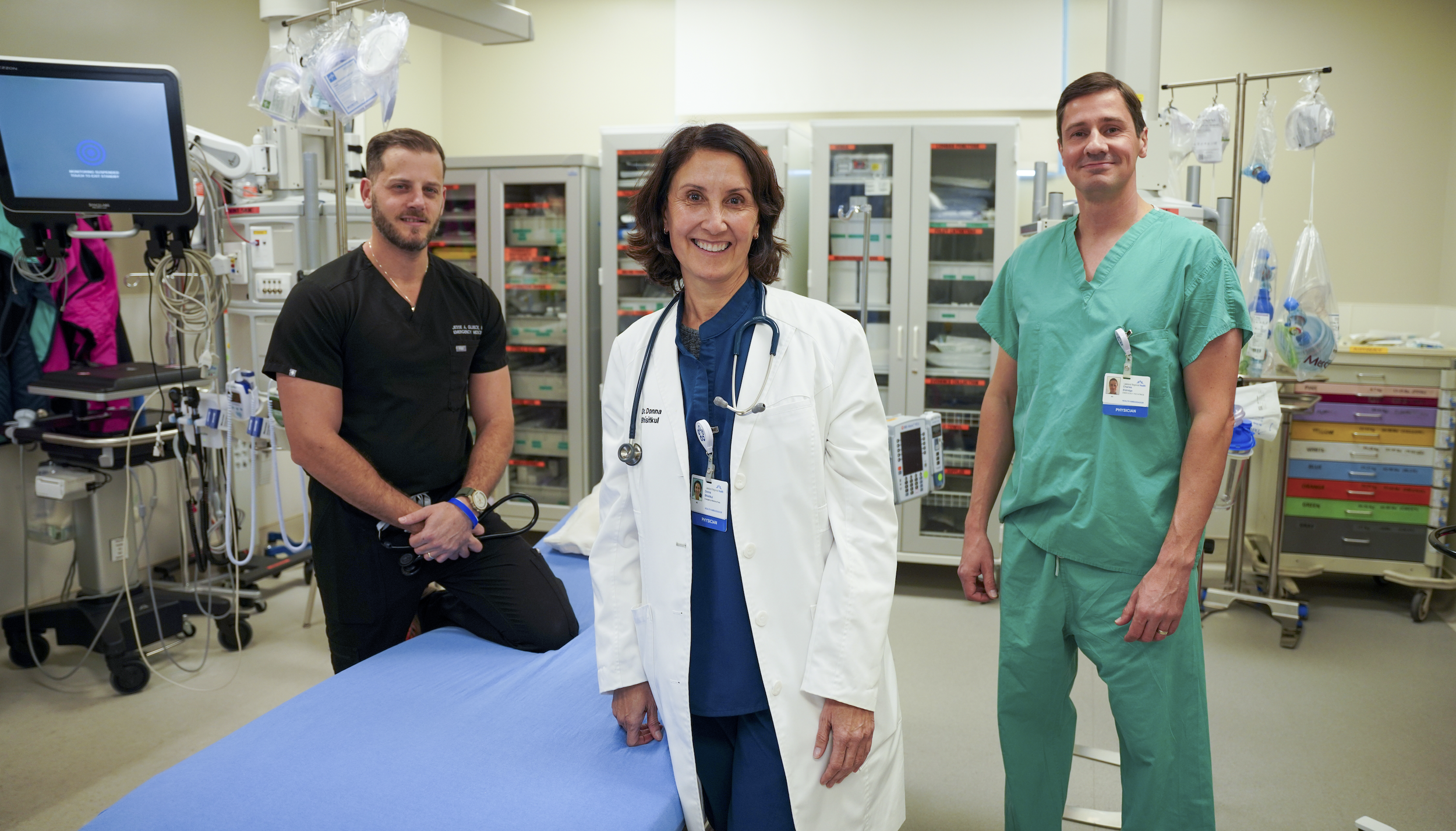
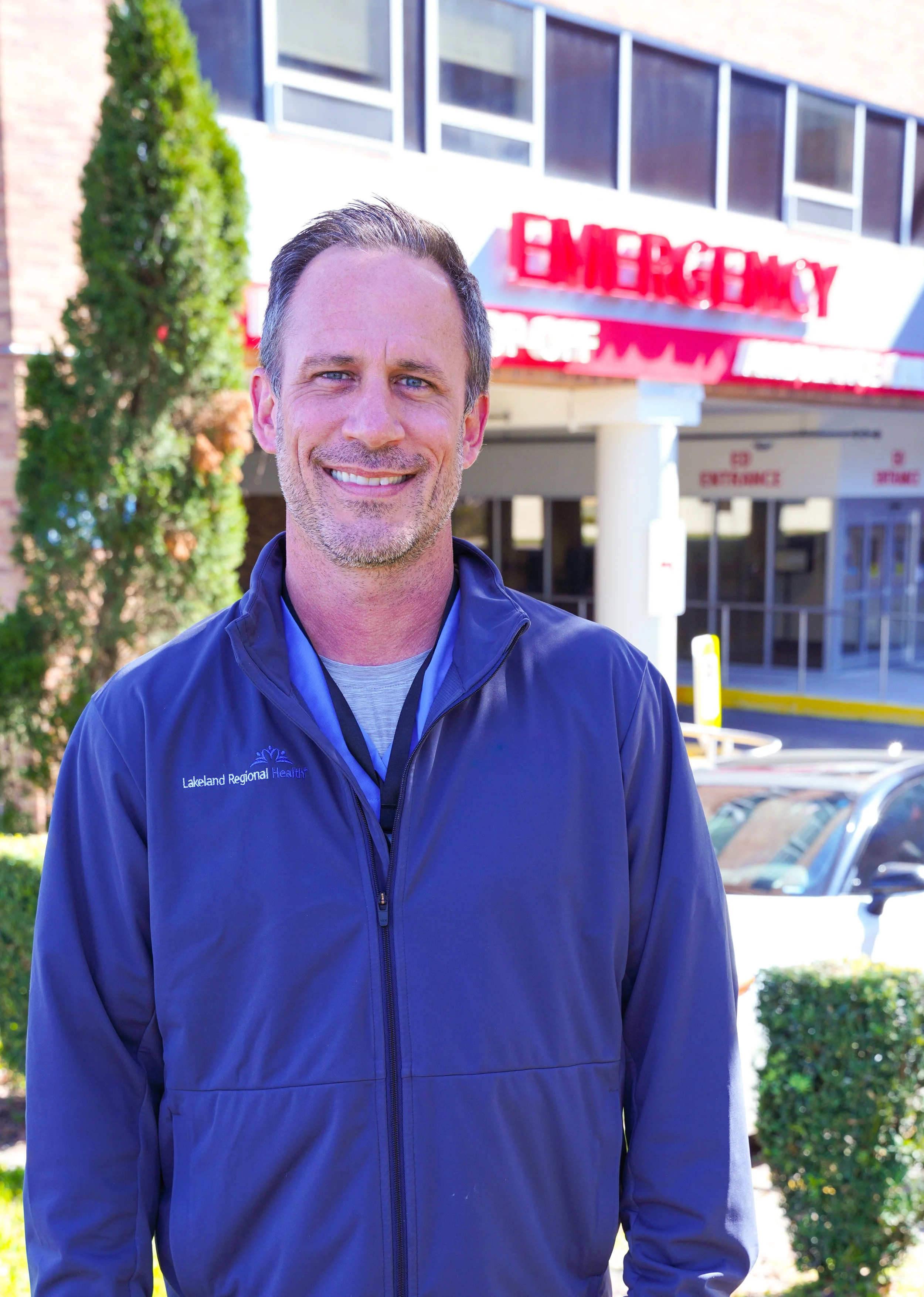
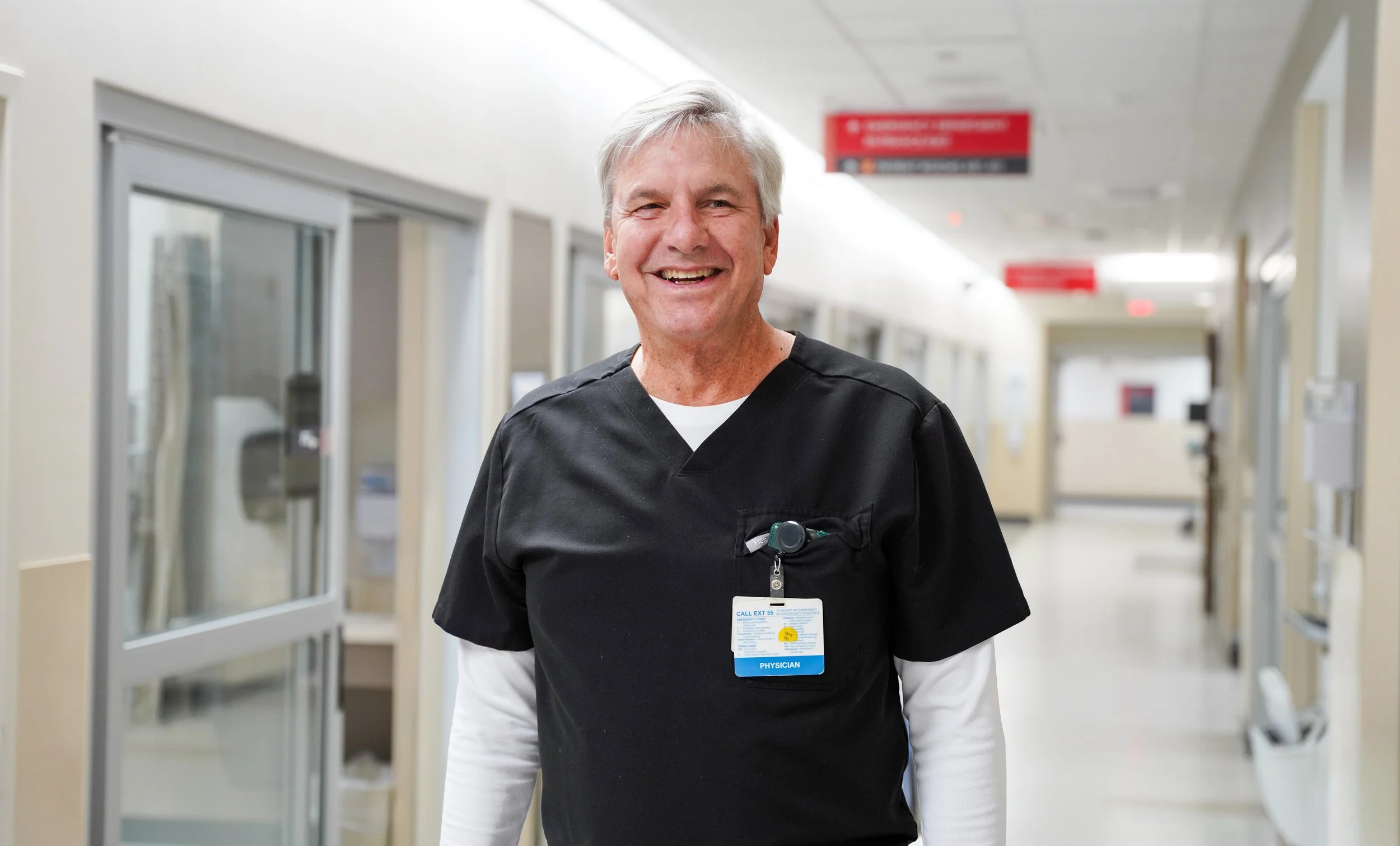
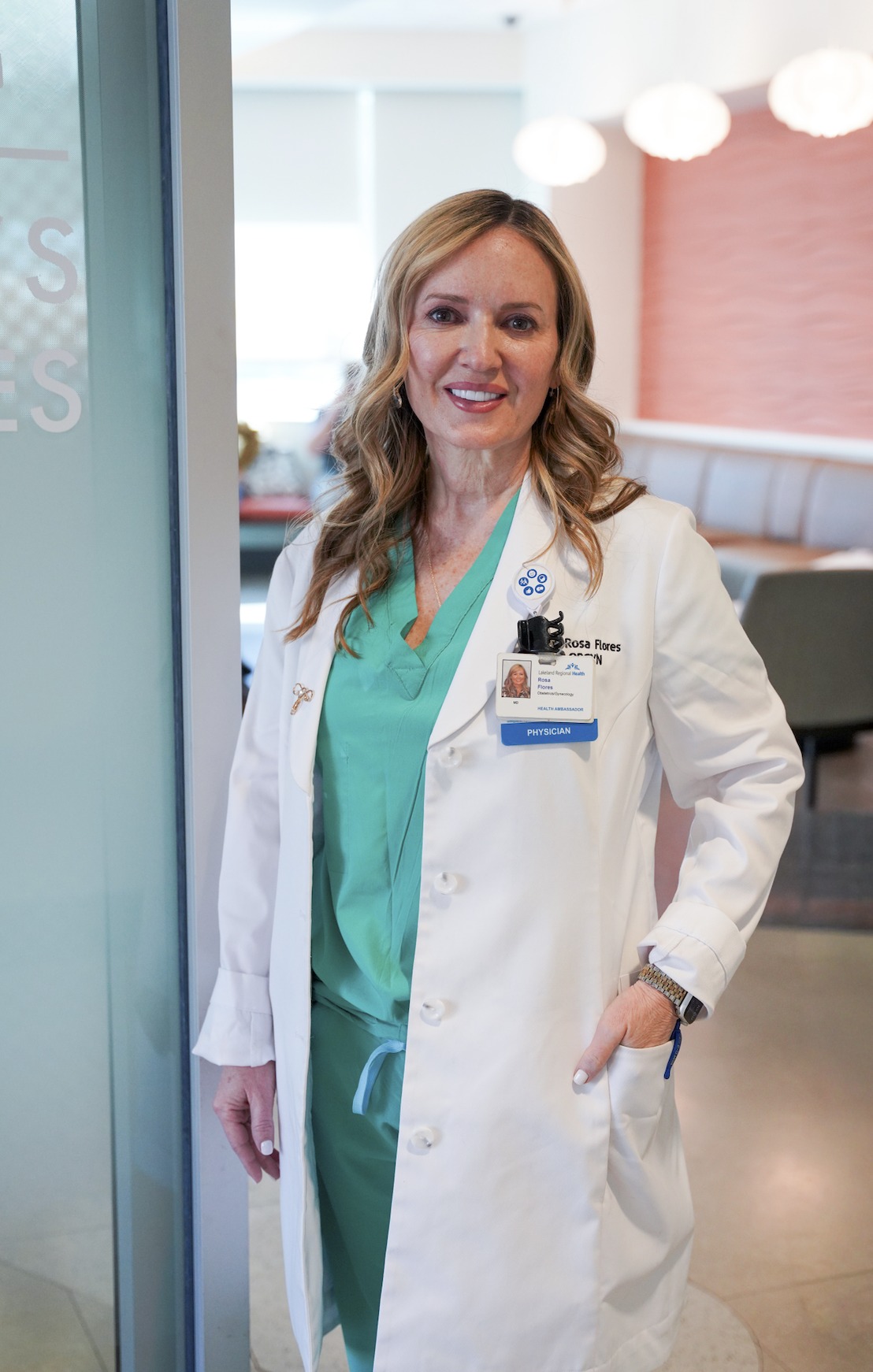
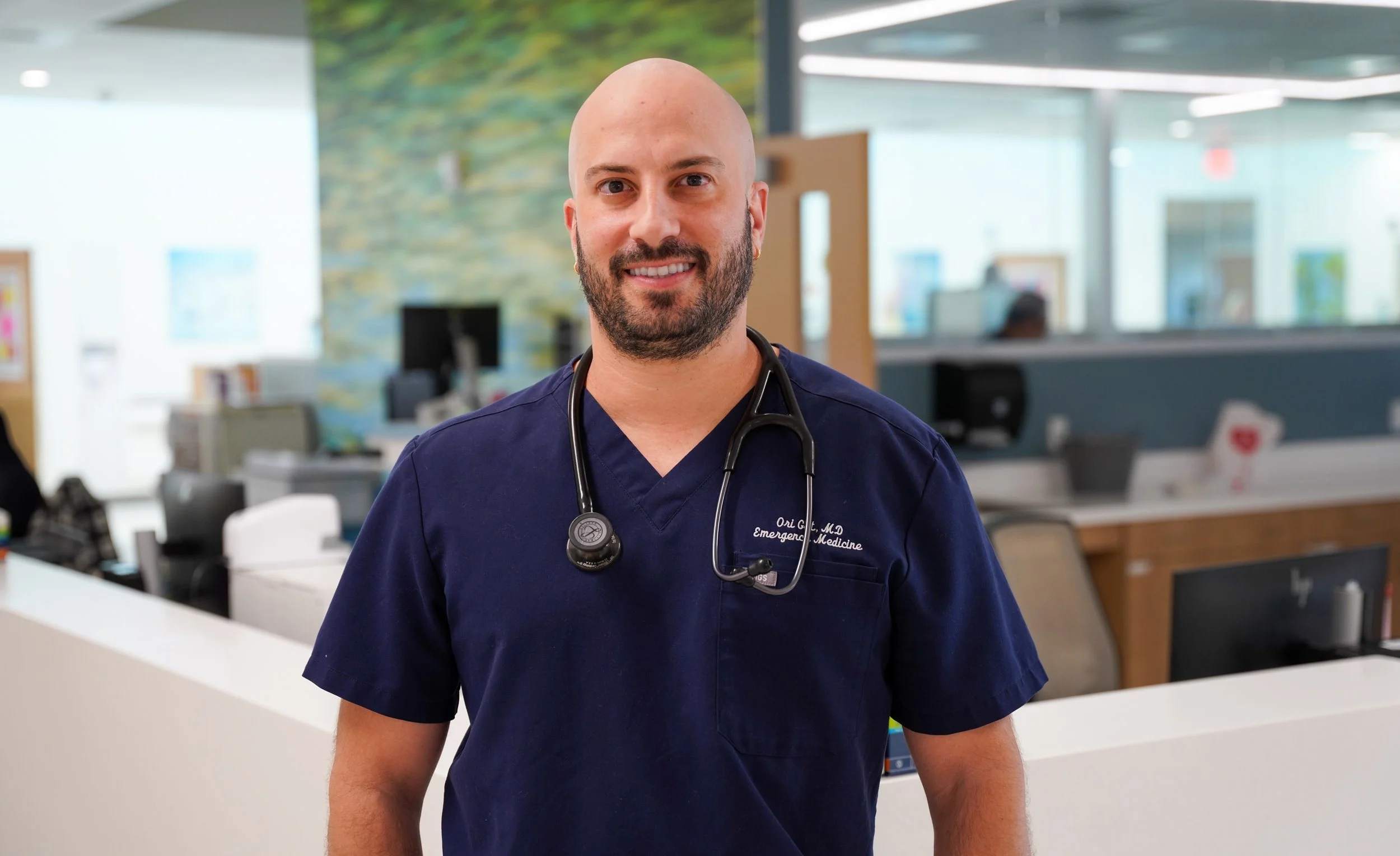
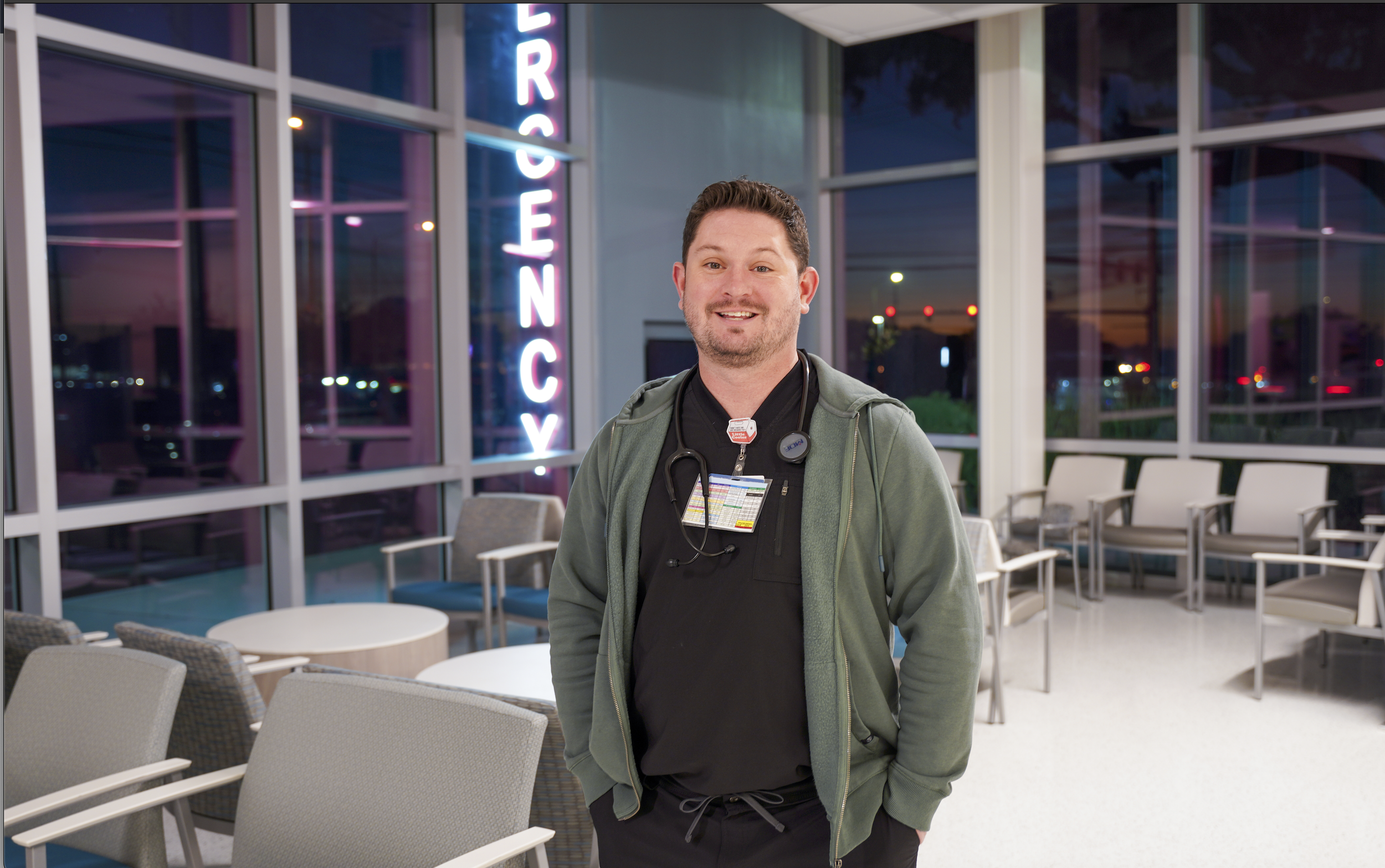
From left to right: Dr. Jesse Glueck, Dr. Donna Bhisitkul, Dr. Charles Eldridge, Dr. Fred Blind, Dr. James Melton, Dr. RosaFlores, Dr. Ori Gat, Dr. Corey Dye
The high tension, blaring sounds and frenetic pace of emergency departments make highly extolled dramatic cinema on television that includes the Emmy Award-winning “The Pitt,” but in real life, at Lakeland Regional Health, visitors encounter a team of medical experts with a simple promise: to calm nerves, work quickly and help people in their very worst moments.
It’s common knowledge that LRH is home to one of the nation’s busiest emergency departments, where staff see more than 200,000 patients annually, but it’s not as common for locals to realize the hospital houses four distinct specialized emergency departments.
Whether a patient arrives at the main hospital’s ER and Trauma Center, the dedicated Pediatric ED, the Freestanding ED or the specialized Obstetrics ED, they are met by doctors with years, and usually decades, of experience ready to use a personalized approach and advanced technology to quell fears and provide care.
To many people, the Emergency Department is the “front door” to the hospital, and no one knows this better than the team at the main ER. Dr. James Melton, Chairman of the Department of Emergency Medicine and an LRH veteran since 1988, helped shape its culture. Reflecting on his decision to enter the specialty, he says, “I liked being able to do lots of different types of work, to see pediatrics patients as well as others. The variety interested me.”
That commitment to service led to him spearheading efforts to drastically reduce patient wait times using queuing theory, a mathematical formula that can help optimize efficiency.
The Lakeland native started when the entire emergency team consisted of fewer than 10 staff, and he has been part of an evolution that has paid dividends for the community.
“I remember when records were on paper and X-rays were on film. And when you had some weird symptoms, you had to look them up in a book,” he recalls. “It’s much easier with records and information being stored electronically, because several people can look at something at once. It helps us move much more quickly.”
For Dr. Fred Blind, Emergency Department Medical Director, the allure of emergency medicine was the challenge.
“The emergency physician is the first diagnostician in the hospital. Someone comes into the Emergency Department, and you start with a blank slate to try to figure out what’s wrong,” he says.
He takes deep pride in forming personal connections with patients that remind them they are not alone.
“If they’re in the ER, it’s probably not the best day of their life, and I go in hoping that I can make a difference.”
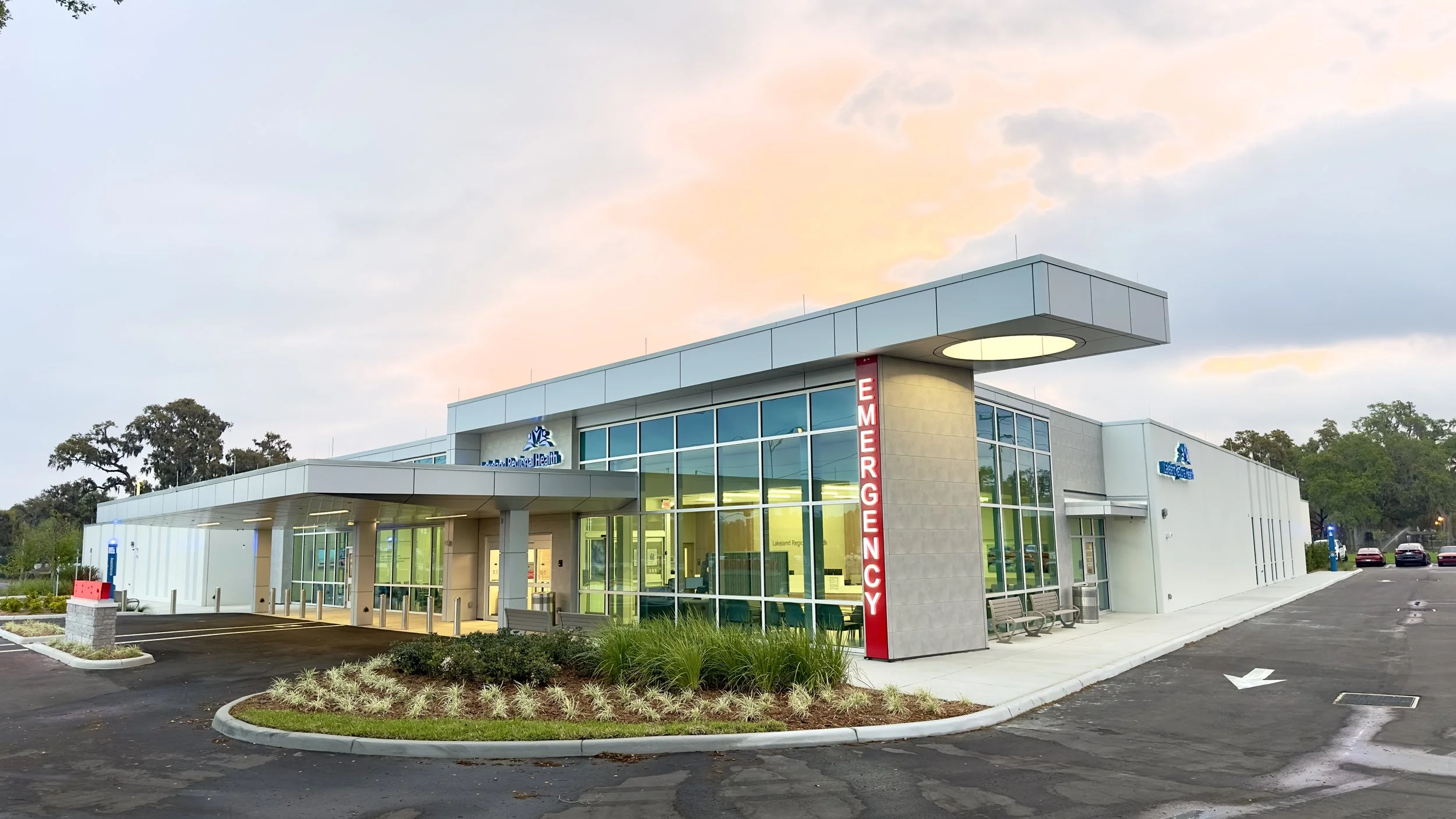
LRH opened a freestanding ED in South Lakeland in March 2025 to provide another access point for emergency care in a densely populated part of the community.
Dr. Ori Gat, who works at both the main campus and freestanding ED, was drawn to the field in part because of a profound personal experience.
“I witnessed my grandfather having a cardiac event, and it was misdiagnosed,” he somberly recalls. “He eventually died of cardiac arrest. I vowed to do whatever I could to prevent that from happening to one of my patients.”
Working in the Freestanding ED, he finds the care to be “streamlined, quick and efficient,” offering patients the same care and the same equipment as the main campus.
Dr. Corey Dye worked for an emergency physician group and treated patients in 40 different EDs before coming on board at LRH two years ago. Of all the locations he has worked in, he says the Freestanding ED is his favorite.
He offers a simple message to those who have to visit the ED. “We know it’s stressful being in the ER. Every single physician and nurse and staff member gets that, and we want to find out what’s wrong and fix it.”
CARING FOR THE YOUNGEST AND MOST VULNERABLE
In the George W. Jenkins Children’s Emergency Department, the focus shifts to the area’s youngest patients. Dr. Donna Bhisitkul, a physician at LRH for 30 years, knew early on she wanted to specialize in the field, and she has played an integral role in the department’s development.
“I’ve been able to see the transformation of care in pediatric medicine at LRH. The availability of subspecialty care available has grown tremendously, especially since we teamed up with Nemours,” she says. “Even for an appendectomy, we used to have to transport families an hour away for pediatric patients.”
The department’s goal is to ease a child’s experience, with numbing gels, toys, and movies to reduce pain and anxiety—even while a laceration is being sutured.
Dr. Charles Eldridge, Pediatric Emergency Medicine Director, is double board certified in pediatrics and pediatric emergency medicine. He says being part of a unit like an ED is like being part of a family.
“Every day, I’m proud of putting in my best effort to try to care for patients just as I would take care of my own child, or another family member or friend.”
As early as fourth grade, Dr. Jesse Glueck was interested in a career path that involved working in an emergency room. His sister, who is now a pediatric rheumatologist, was interested in medicine, and the siblings were captivated by the TV show “Trauma: Life in the ER.”
As a father of four, Glueck says the parental anxiety he sees each day resonates with him. He often sees parents apologizing for bringing in a child for something minor.
“I say, ‘Don’t apologize, that’s why we’re here,” he assures them.“You can have an amazing impact in the ER when someone comes in really sick and you save their life. But there is something really special about taking care of kids, not just making them well but also calming their fears.”
A unique and vital service LRH offers is the Obstetrics Emergency Department (OBED), exclusively for pregnant and postpartum patients. Physicians in the OBED are all OB-GYNs.
“Pregnancy-related issues are unique, and most are time-critical,” says Dr. Rosa Flores, OB-GYN Hospitalist and OBED Chief. “When babies are born, that’s often one of the most important parts of someone’s life. But when things aren’t as easy as they are supposed to be, being able to help them and share knowledge with those moms is so rewarding.”
THE FUTURE OF EMERGENCY CARE
Innovation plays a key role in advancing compassionate care. The physicians spearheading the care in LRH’s emergency departments agree the impact of technology is considerable. The adoption of electronic medical records and digital radiology has already positively changed healthcare in general and the ER, in particular.
“Although much of our job is, and will continue to be, talking to patients and evaluating patients, I think technology will help us speed us some processes,” says Dr. Eldridge.
Ultimately, the goal of these advancements is more face time—more human connection—during a time of profound need. One piece of advice the doctors hammer home for those visiting an emergency department: always bring your medications with you or a list of them, and if possible, bring a family member.
The emergency room is a stressful place, but the team at Lakeland Regional Health is working tirelessly, through both technology and empathy, to make a positive impact on what is likely the worst day of a patient’s life.