
The Anatomy of Dixieland
PHOTOS BY JORDAN RANDALL | ILLUSTRATIONS BY ALLIE BRINTON
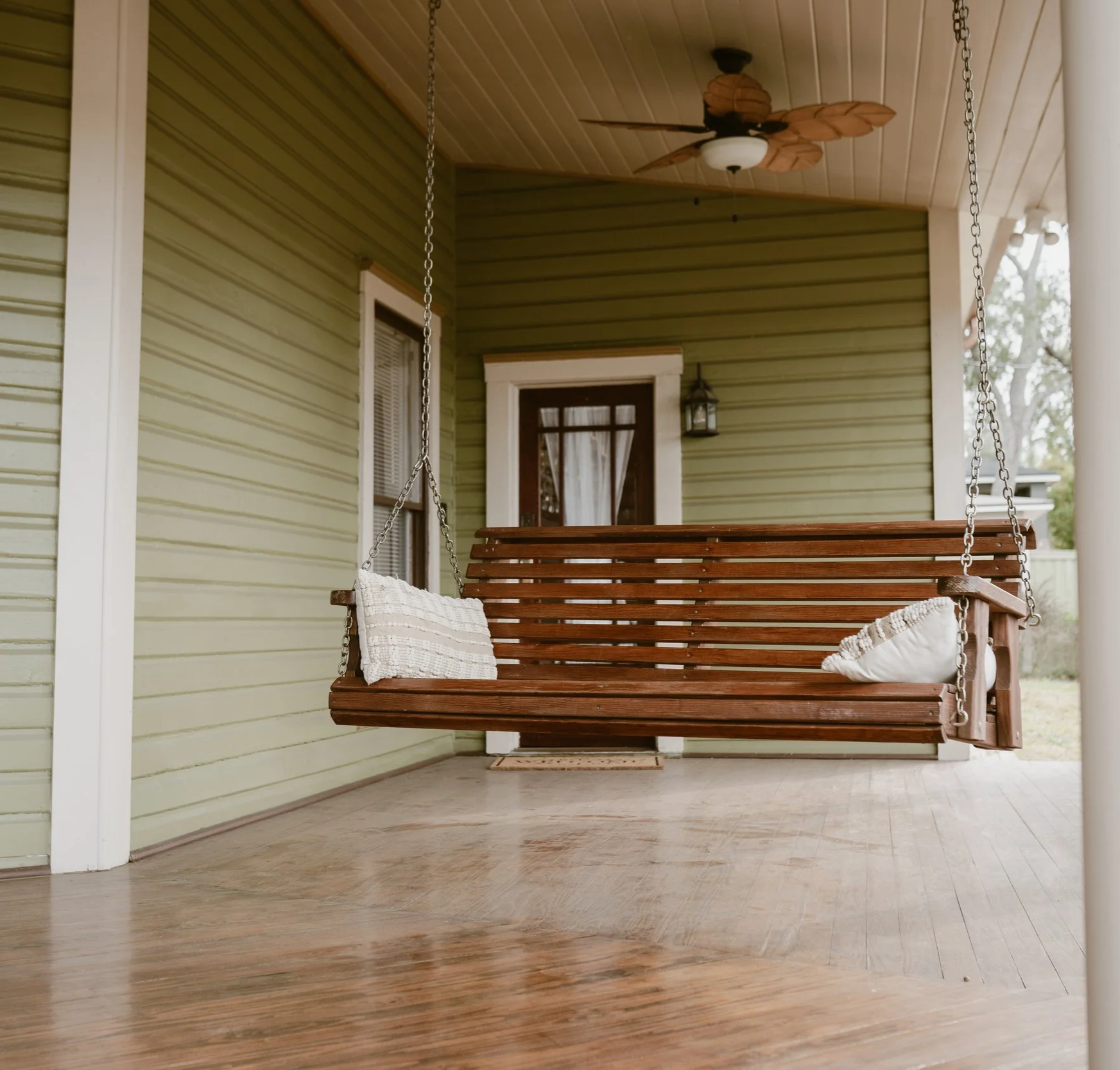
Special thanks to Emily Foster and the City of Lakeland.
When someone mentions Dixieland many locals first think of Concord Coffee, Dixieland Elementary, Born & Bread or quaint boutiques, but one road over from S. Florida Avenue begins one of the city’s most storied traditional neighborhoods.
Dixieland’s origin dates back to the early 1900s when the neighborhood was established as a blue-collar working class neighborhood conceived by developers John Patterson, Edward Finney and John F. Cox. Building was slow at first, until the 1920s, when the population of Lakeland and the demand for residences increased.
Fast forward a century and the restoration and preservation of many homes in the historic district are in full effect.
“The high quality of residential investment in both restoration of existing historic houses and design and construction of new houses has been an improving trend over the last decade,” says Emily Foster, senior planner - historic preservation for the City of Lakeland. “The Bungalow architectural style, in all its vernacular and revival forms, continues to be a popular aesthetic – 100 years later.”
The City has a comprehensive, continuously updated document titled “Design Guidelines for Historic Properties” that delves deep into the rich history of the distinct types of homes in historic neighborhoods like Dixieland, and also prescribes guidance for maintaining character and integrity when changes are made to buildings and homes.
A walk or drive through Dixieland reveals aesthetic charm, timeless details that tell stories of generations past and a sense of place that continues to develop for visitors, new home buyers and families who have been in the area
for decades.
Neoclassical 1905
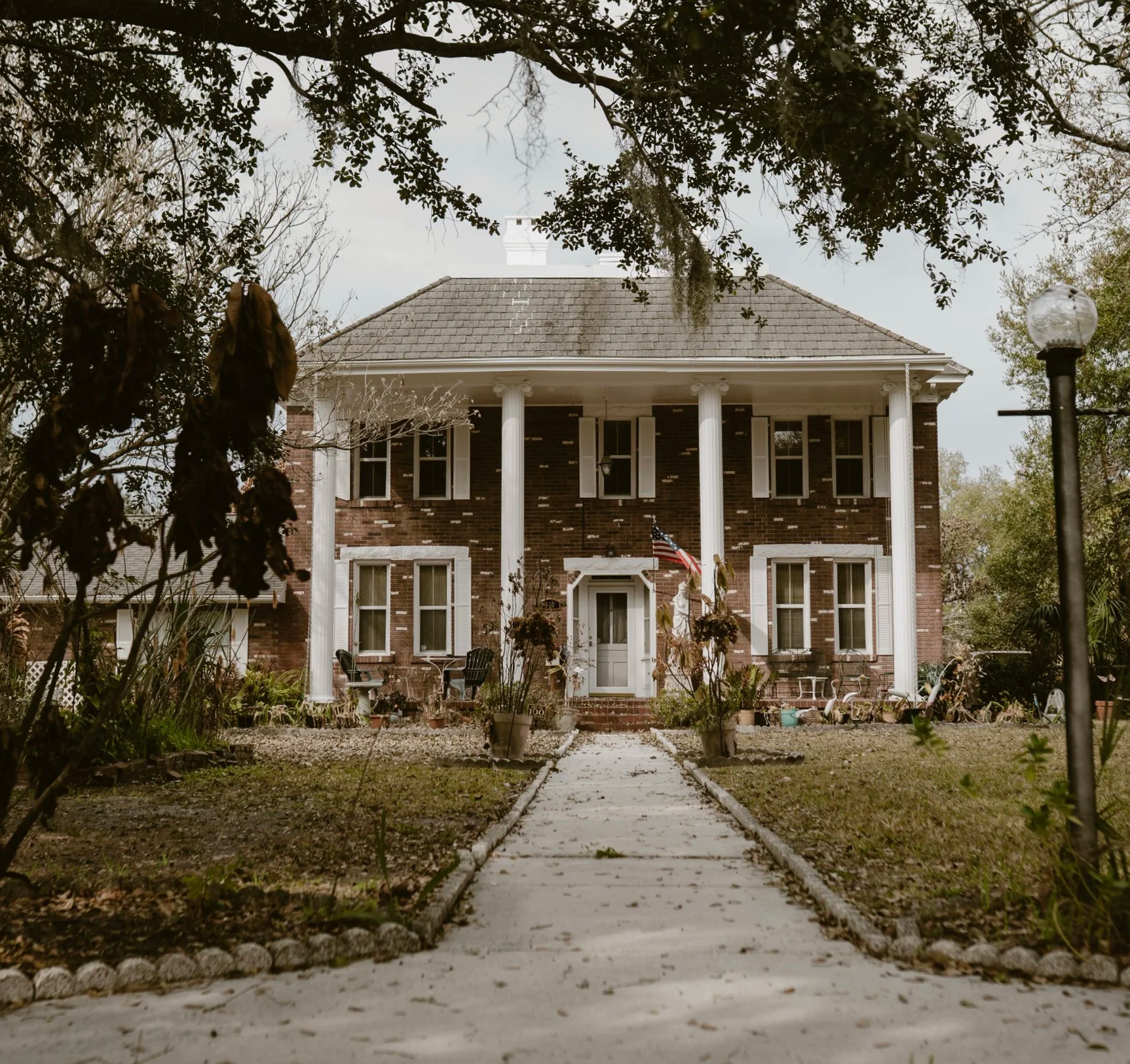
The Neoclassical style emerged in the mid-18th century as a reaction to the decorative Baroque and Rococo styles. Neoclassical architecture has an uncluttered and balanced aesthetic, characterized by grandeur of scale, simplicity of geometric forms, Greek or Roman detail, dramatic use of columns, and a preference for blank walls.
If you visit Russia, you would find an unparalleled collection of Neoclassical buildings, as commissioned by Catherine II. It makes sense then, that many architects viewed this style as a way to bring a little bit of imperial Rome to residential (as well as governmental) settings.
Queen Anne, 1907
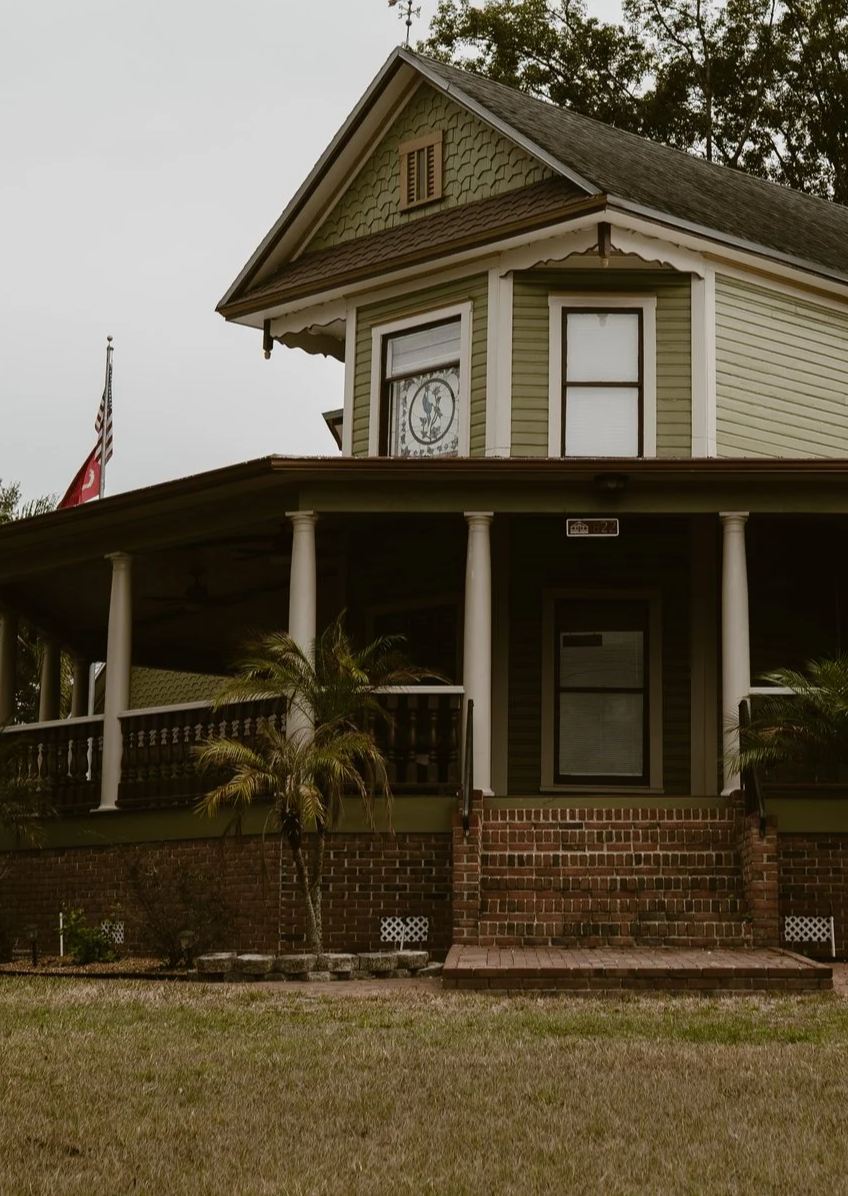
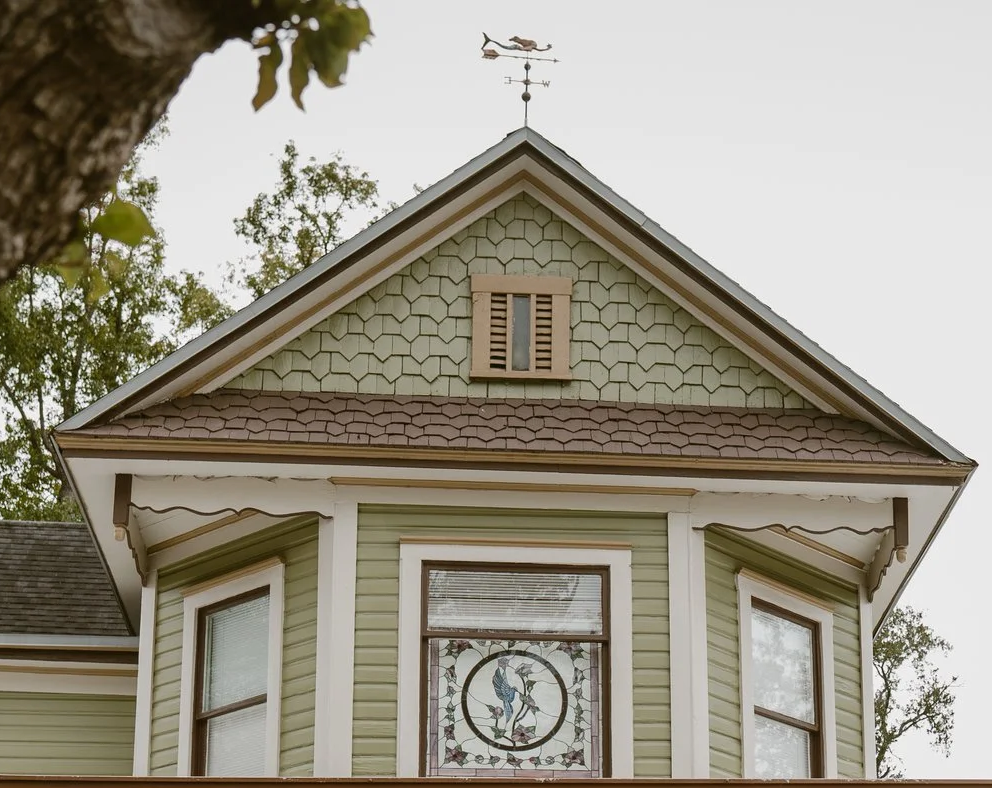
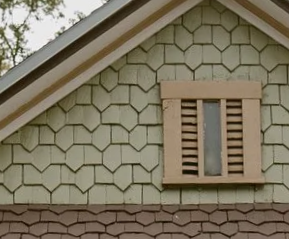
Although Queen Anne style homes were only built from roughly 1880 to 1910, the Victorian style builds became the “grand dame” of neighborhood development because of its prestige and visual prominence.
The prominence of the Queen Anne builds was largely associated with the expansion of the railroad – which made pre-cut building materials available through the use of pattern books and mail order house kits. This house style was chosen for its “fanciful” architectural character and was often situated on corners or other prominent sites.
Queen Anne buildings are highly decorative, often combining a variety of colors and textures. The emphasis on decorative details, vertical orientation, and asymmetrical layouts encouraged individualistic and free-flowing designs.
Mediterranean Revival, 1925
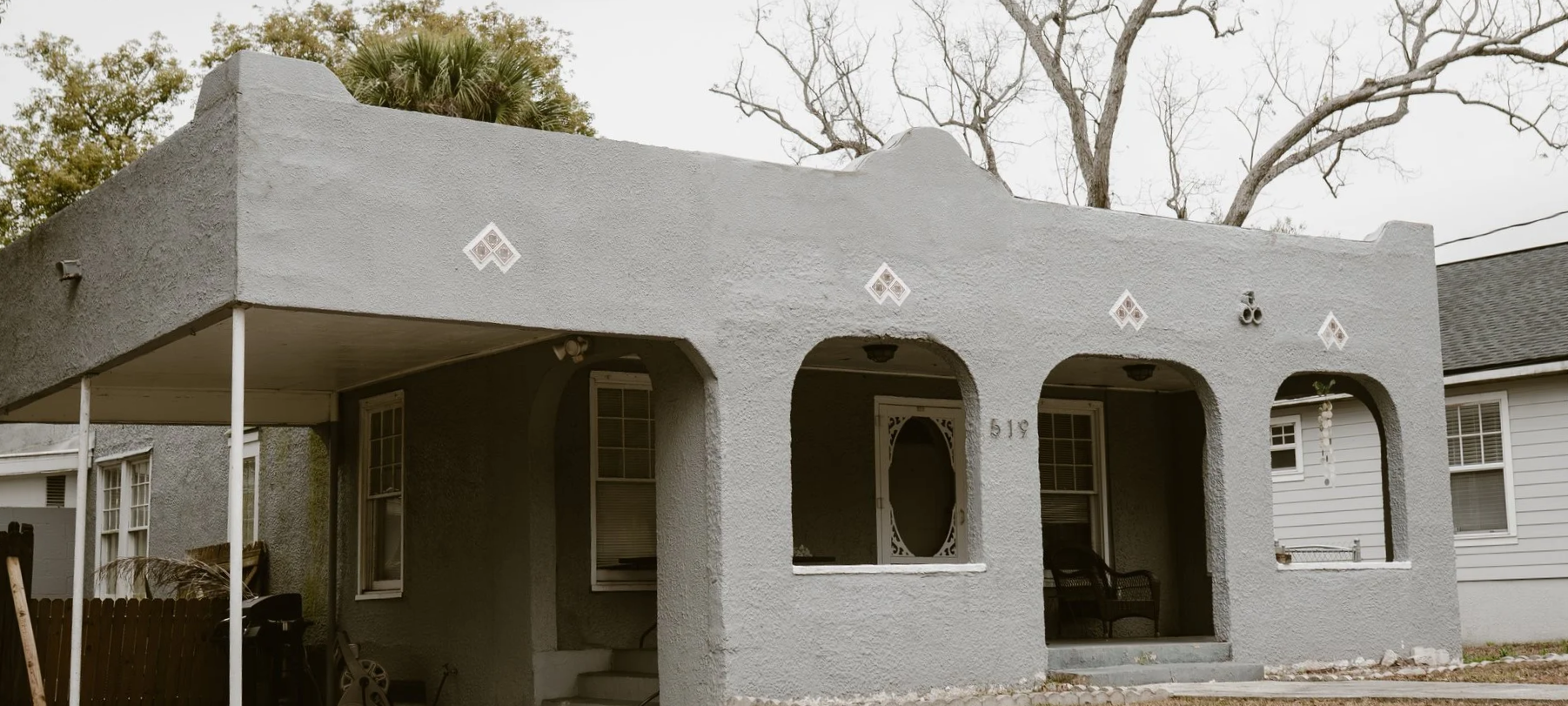
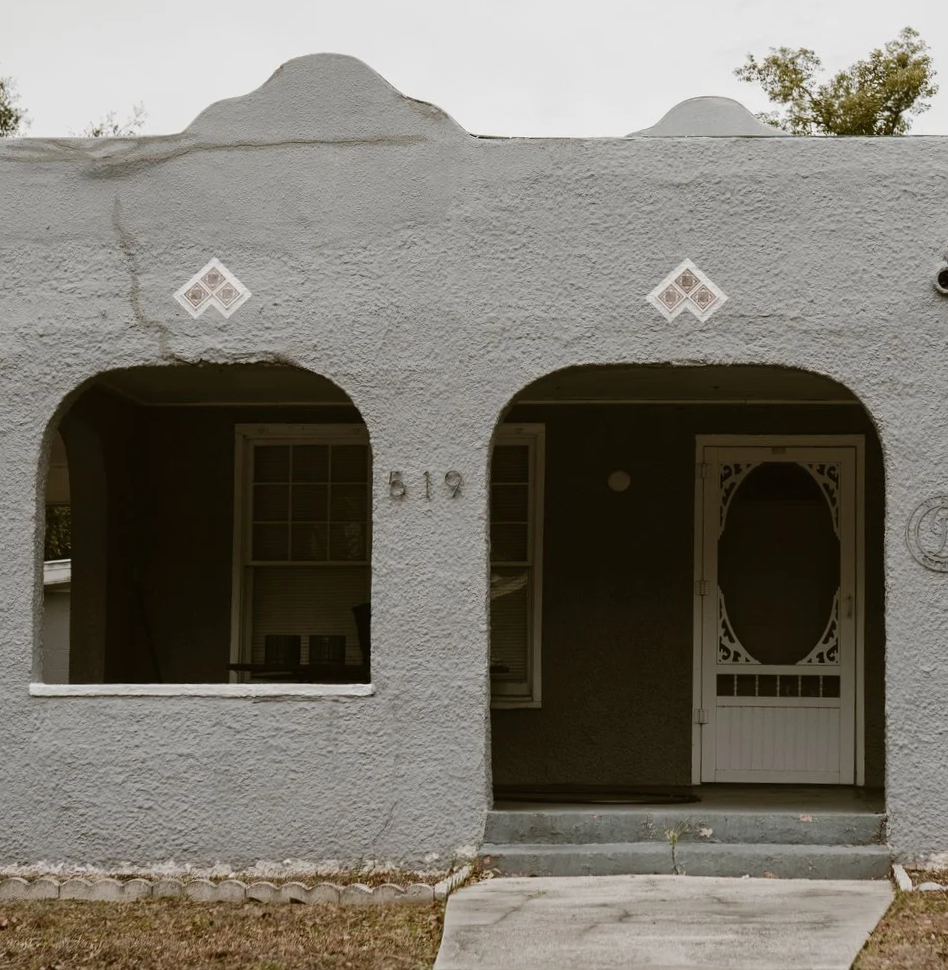
This style of architecture, popularized in the 1920s and 30s in Florida, contains elements rooted in Spanish and Middle Eastern culture.
It was used to construct a variety of different kinds of buildings, ranging from grandiose tourist hotels to two-room residential homes.
Mediterranean Revival houses combine a number of different architectural features to make a visual statement along the street. Their simple geometric shape is the perfect palette for ornamentation of the roof parapet, entryway, doors and windows - all meant to enhance the visual character of the main façade.
The many features from traditional Spanish architecture that define this style have contributed countless architectural interpretations in both size and configuration.
Four Square Home, 1930
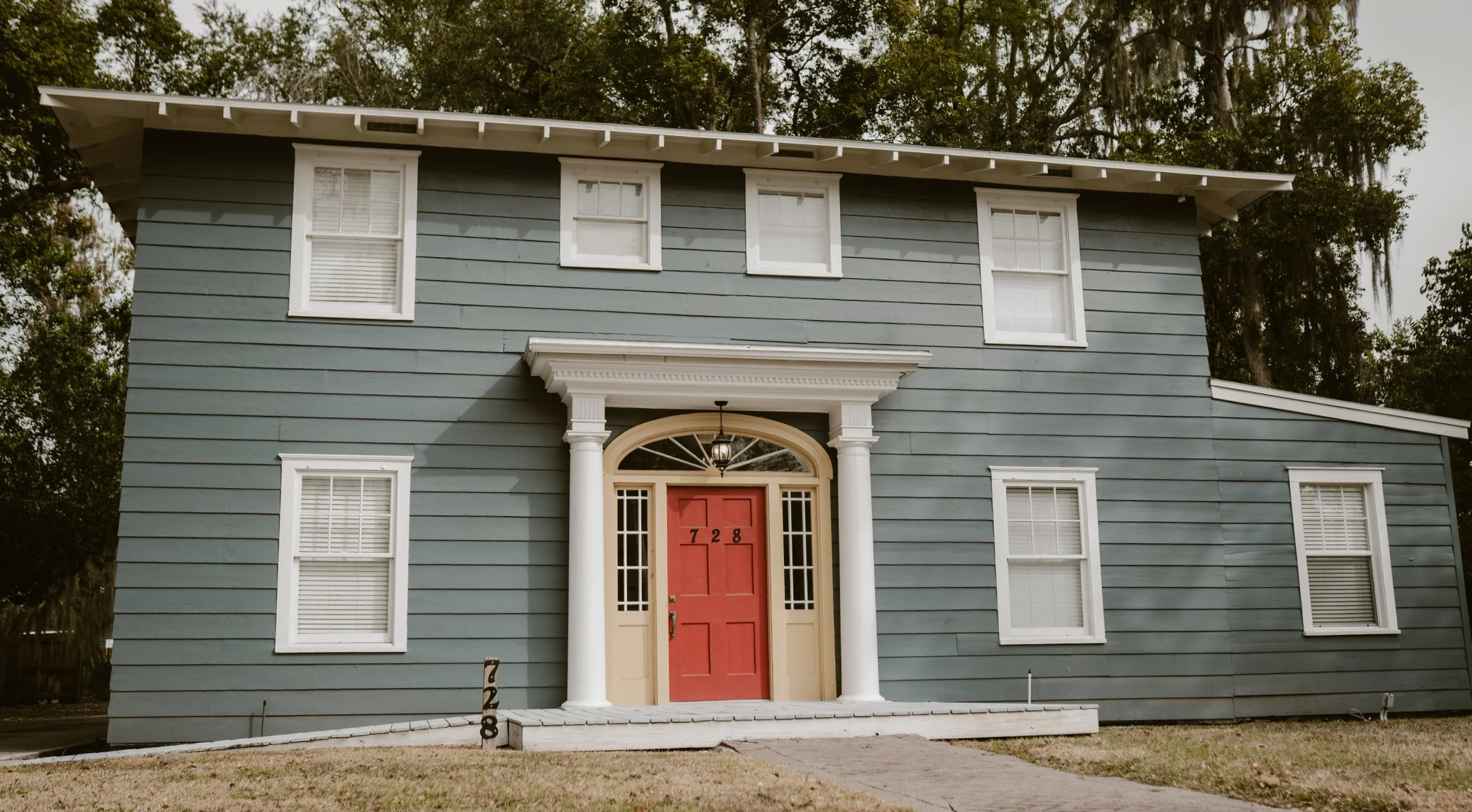
The Foursquare was the first Prairie house style that emerged in the mid-west during the late nineteenth century. It takes its name from its simple cubic shape and floor plan which is divided into quarters on each floor.
This house style was developed as a plain, more affordable alternative to the more ornate houses built during this era and better suited for narrow lots. The Foursquare was popular in communities where the railroads had a presence because they could be delivered to a community as mail-order kit houses.
Today, these house styles exist in various forms in all of the City’s residential historic districts.
Bungalow, 1923
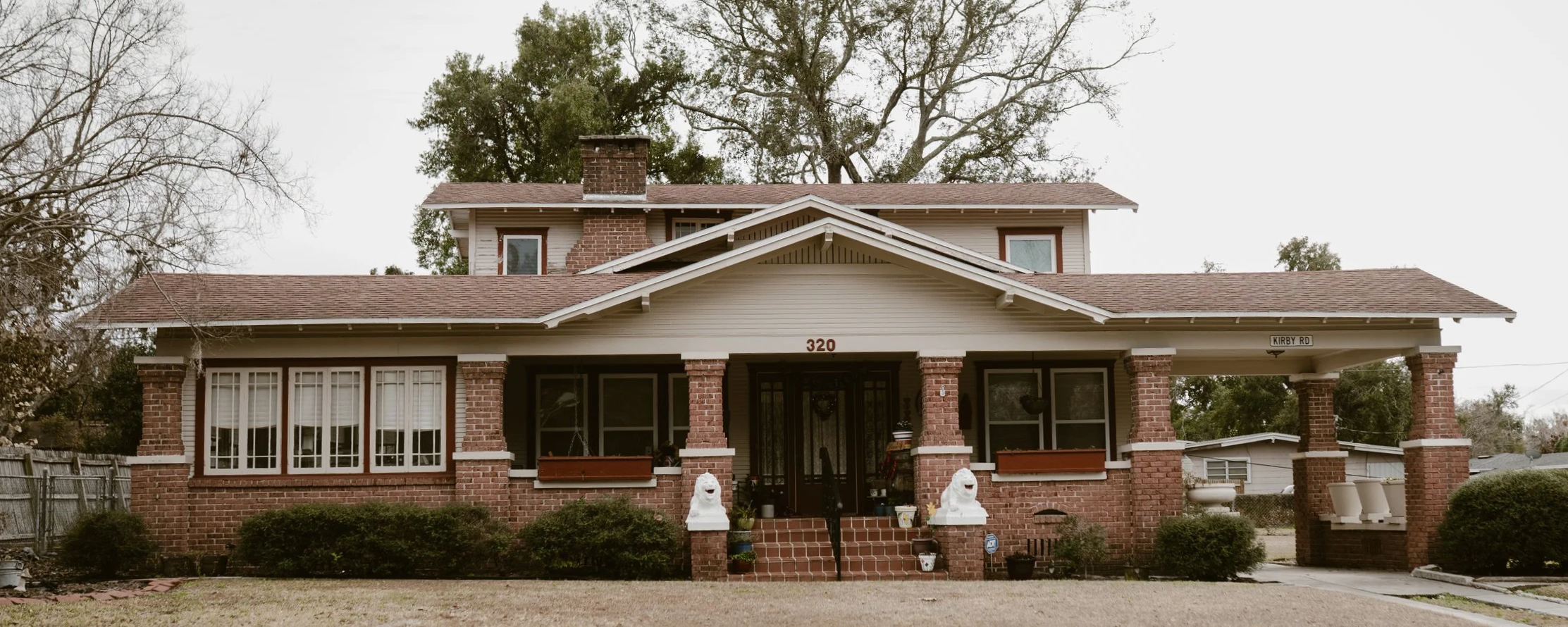
The Bungalow, or Craftsman style, was the most common housing form in the United States in the early 20th century. It was economical to build, thus it became widely used in the early development of suburban residential areas across the country. The Bungalow is known for its
height, one or one-and-a-half stories that was nestled into the earth. The houses are usually rectangular, supported by masonry piers and beloved for their wide and spacious porches that often wrap around to the sides.
The Bungalow is the most prevalent historic house style in the city’s six residential historic districts. You will find a wide variety of colors and decorative features that make each home distinctive despite how similarly many of them are constructed.