
The Human Touch Behind Timeless Designs
How CMHM Architects Has Built an Enduring Legacy
PHOTOS BY JORDAN RANDALL | DEVELOPED IN PARTNERSHIP WITH CMHM ARCHITECTS
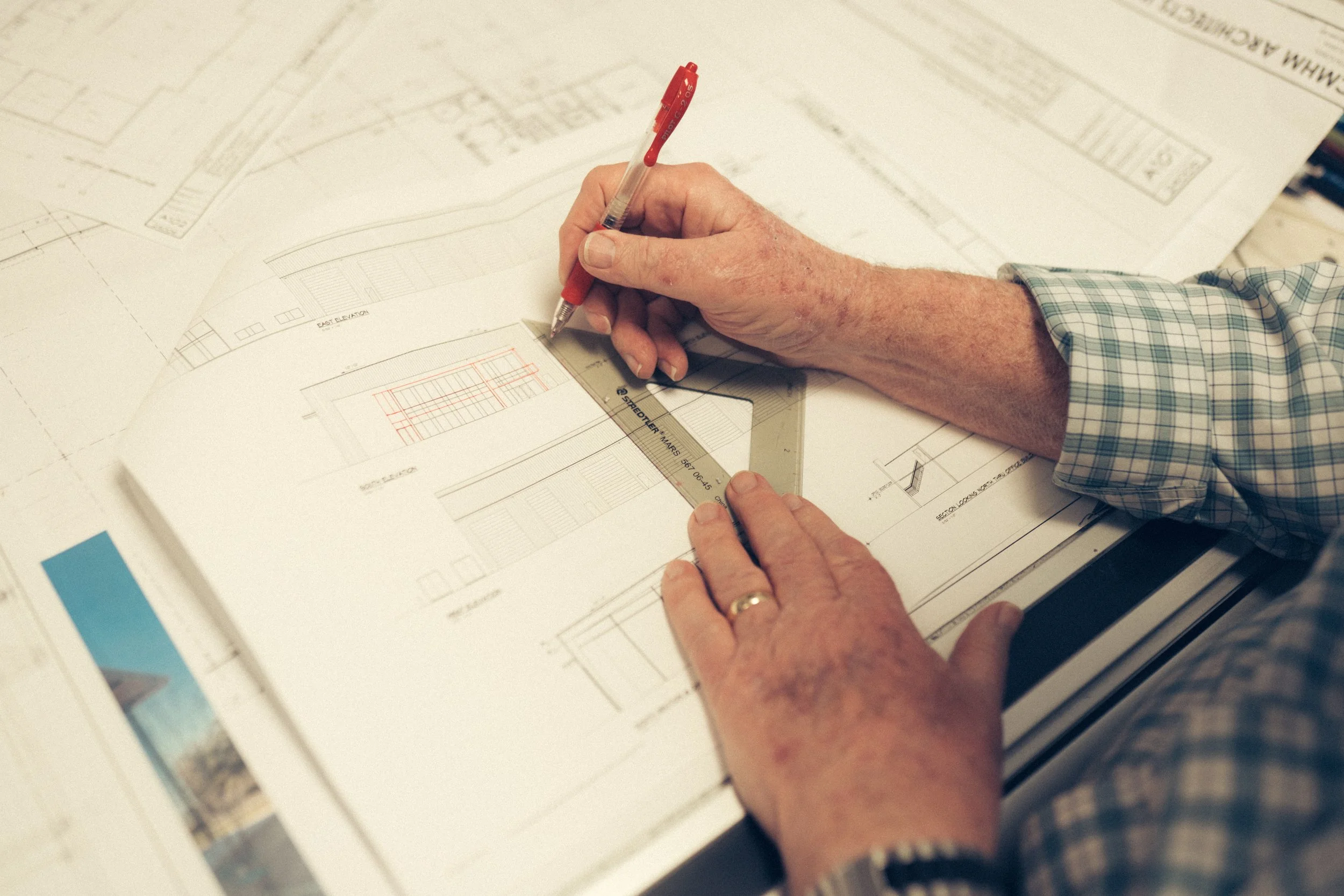
If you visit John Curtis in his office at CMHM Architects that the firm has occupied along South Florida Ave. since 1975 don’t waste your time looking for his computer.
The 81-year-old architectural ace and co-founder and principal still hand sketches his ideas on paper before they are then scanned and integrated into the firm’s digital workflow.
“It’s a system that still allows me the luxury of being able to do what I was trained to-50 plus years ago…but the firm itself has advanced significantly in technology,” he says with a smile, recalling how in 1984 the company was the first in Polk County to invest in Computer-Aided Design (CAD) software and just last year CMHM implemented an AI-based receptionist named “Kelly” to direct phone calls.
In an increasingly competitive region that people and businesses continue to relocate to, CMHM’s success is rooted in a blend of uncompromising principles and quiet evolution.
You can’t drive far in Polk County without seeing a building that CMHM either constructed from the ground up or renovated.
Their project list includes some of area’s most recognizable and vital structures: Lakeland Christian School, Central Florida Aerospace Academy, Victory Church, Flowers Baking Co., Allen & Co., Bartow Ford, and numerous fire station renovations, just to name a few. They also have played a role in downtown Lakeland’s heritage, contributing to the renovations of the Lakeland Police Department headquarters and the Magnolia Building.
Current projects are just as diverse in nature and include a number of school gymnasiums, a SWAT training tower and large build out for a nationally known heavy equipment dealer.
A FOUNDATION BUILT ON INTEGRITY
Curtis’s journey to becoming a pillar of the Lakeland business community began after he served four years in the Air Force during the Vietnam era.
Having earned his Bachelor of Architecture from the University of Florida in 1967, his move back to Florida, this time to Lakeland, was serendipitous—it was the only job offer he received after sending many letters to architectural firms from his station in California.
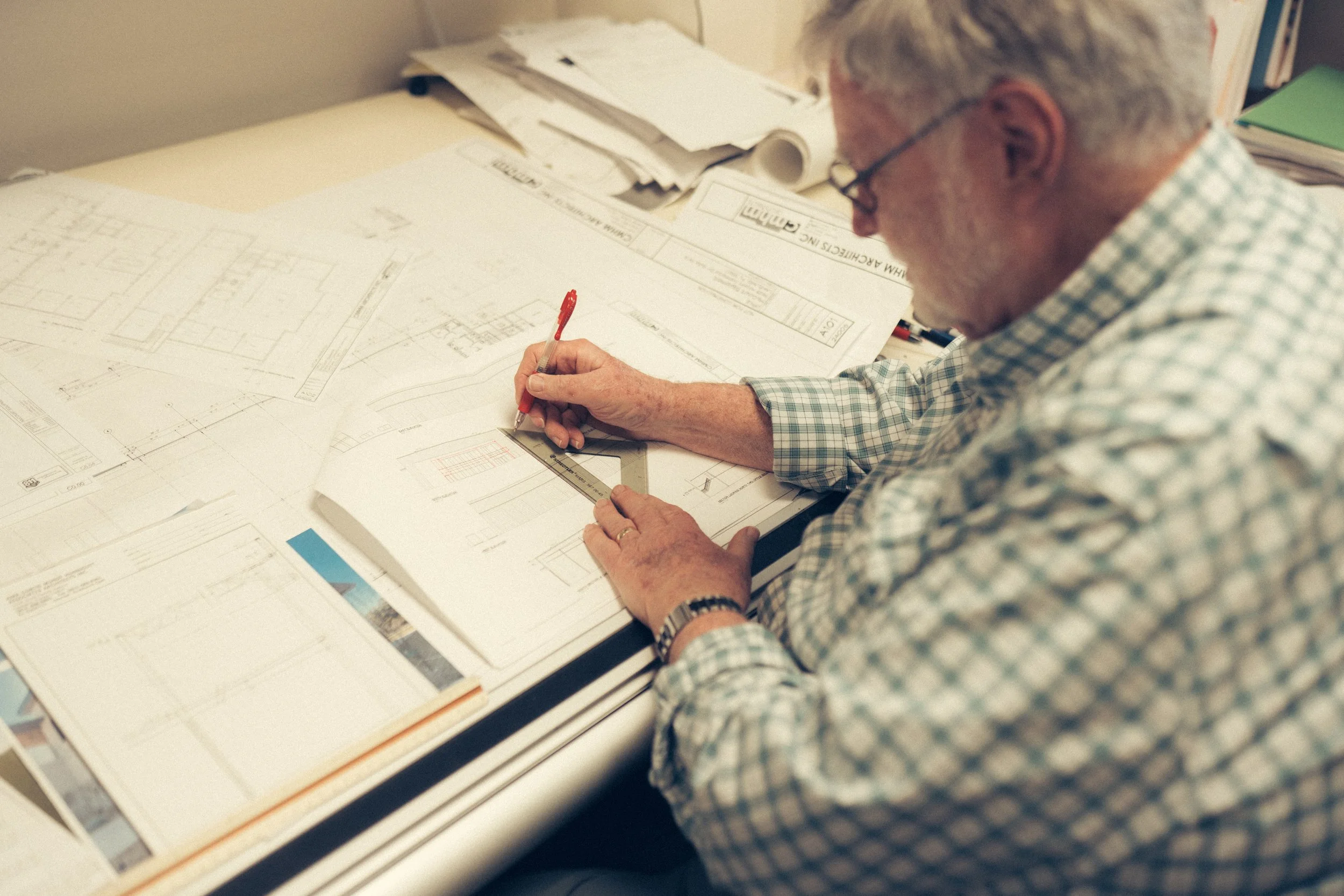
After three years as a project architect, he co-founded Swilley Curtis and Bertossi Architects (the predecessor to CMHM) in 1975. The firm’s enduring success is intrinsically tied to the foundational ethical principles established from day one.
“We basically wanted to be just good, straightforward, on top of the table architects,” Curtis recounts.
He said in the 1970s he witnessed plenty of under-the-table deals between the private and public sector, a practice he and his partners refused to engage in.
This commitment to honesty and transparency became the guiding principle, and that culture extended deeply into leadership’s relationships with employees, which is why many staff members have worked for the firm for decades.
Maria Guzman and Oanh Le are two up-and-coming architects CMHM hired in 2025—a pair of graduates from the University of South Florida who Curtis believes have the potential to be long-term successors.
Guzman compliments the way Curtis and the senior staff serve as true “mentors” who want them to learn how to resolve challenges and think for themselves, but who also care about their personal lives and encourage them to get involved in giving back and serving their community.
“If you take good care of your people, they take good care of you,” Curtis said, noting he always strives to pass on the company’s financial success to the employees.
He is most proud of the young architects he has mentored, finding it “a lot more fun and more rewarding building people than building buildings.”
Curtis doesn’t broadcast it, but he and his late wife, Diane, who passed away in 2024, have also made it their mission to build and strengthen the community.
As one example, the couple have made significant contributions to the community through giving to and serving at First United Methodist Church, a facility that CMHM designed the three-story expansion that was completed in 2014 that included the preschool, adult ministry area, cafe and bookstore.
THE CMHM DISTINCTION
CMHM’s commitment to excellence shows in its expansive portfolio of work. To establish themselves at that level, they have not taken shortcuts, and as a result, clients are willing to pay for the premium results they provide.
As Curtis admits, “We have never been the lowest priced architect in Polk County.”
He acknowledges they must increasingly compete on price, and they are willing to explore client’s ideas when it comes to cutting cost, but CMHM’s primary focus remains on delivering quality and exceptional results.
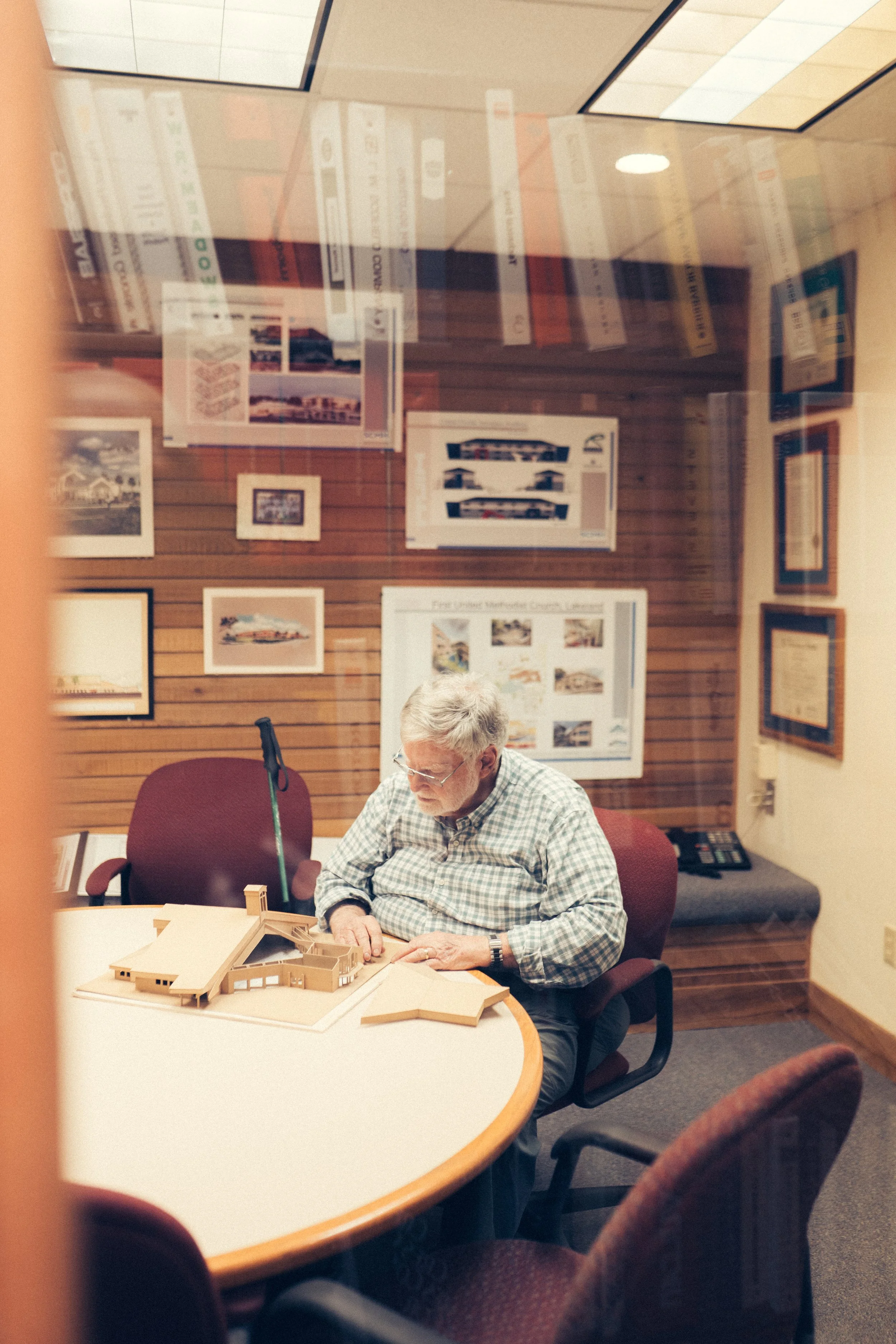
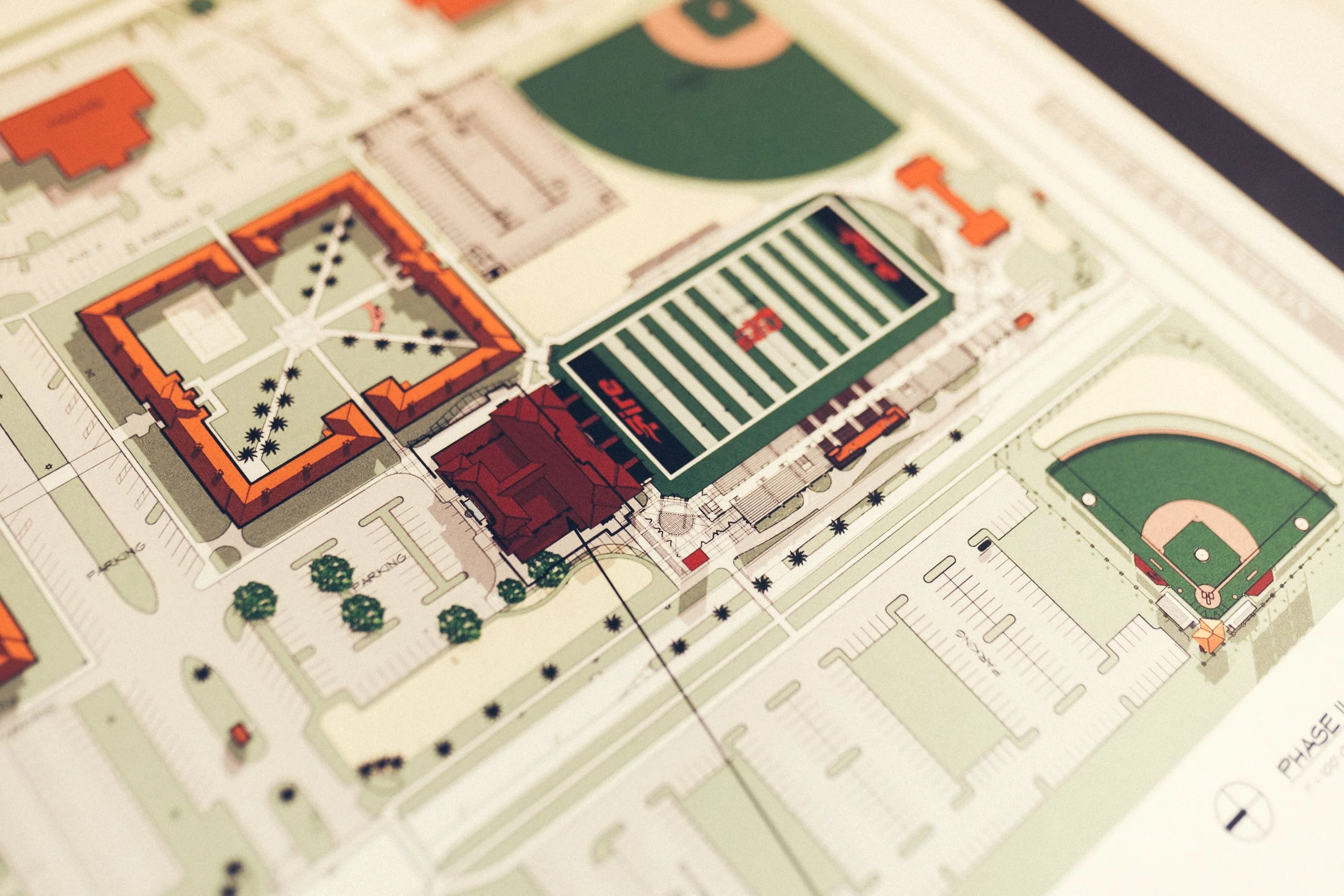
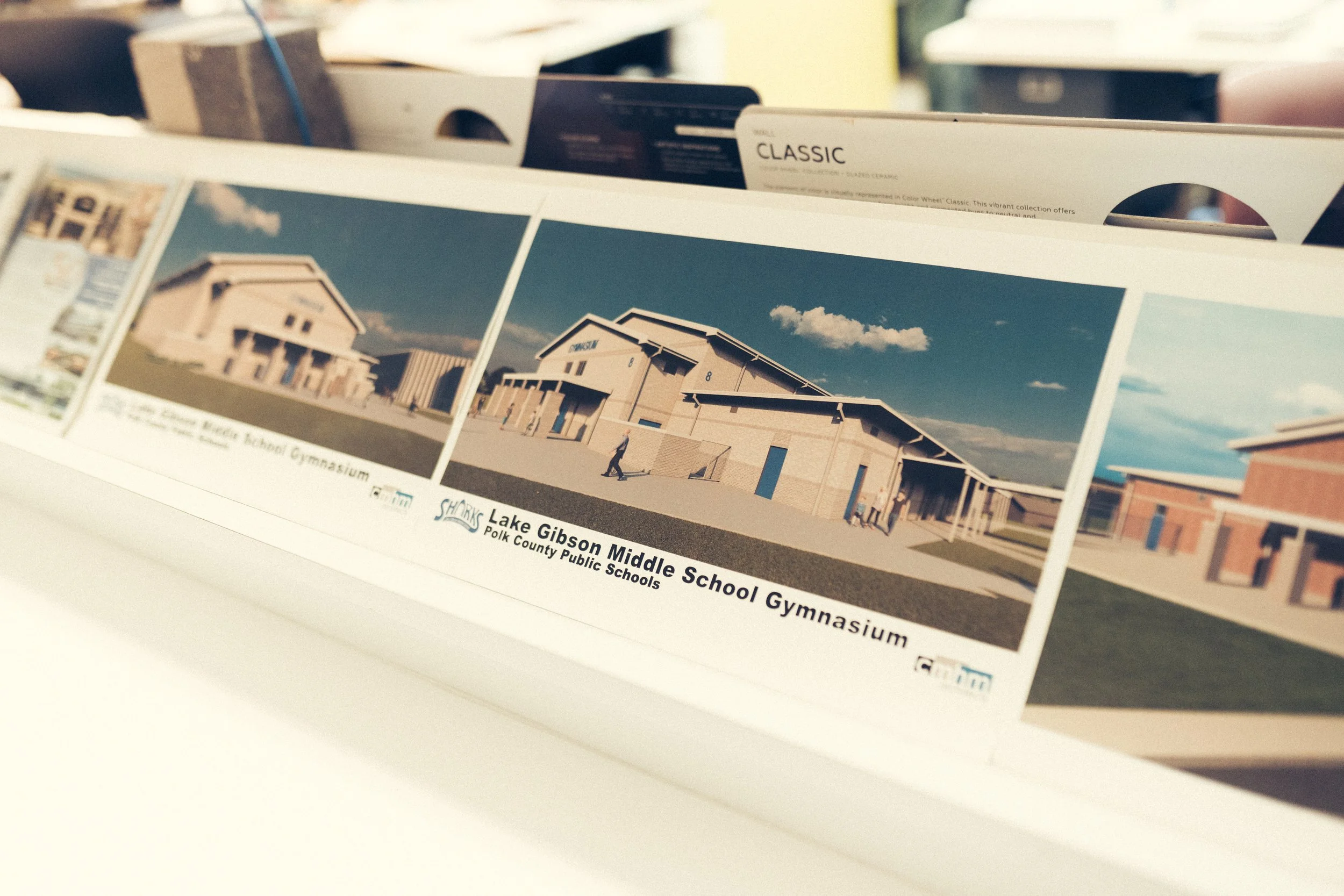
Their reputation for high-quality, trustworthy work is the firm’s main engine of new business. “Quite frankly, good work is the easiest way to promote yourself,” Curtis explains.
The firm’s first major breakthrough was the contract for Boswell Elementary School in 1979, an initial success that cemented a long relationship with the school board and ushered in years of educational and municipal projects. The late 1970s also saw them designing much of the Imperial Lakes project. Over the years they have branched out and will take on everything from industrial to educational builds and many categories in between.
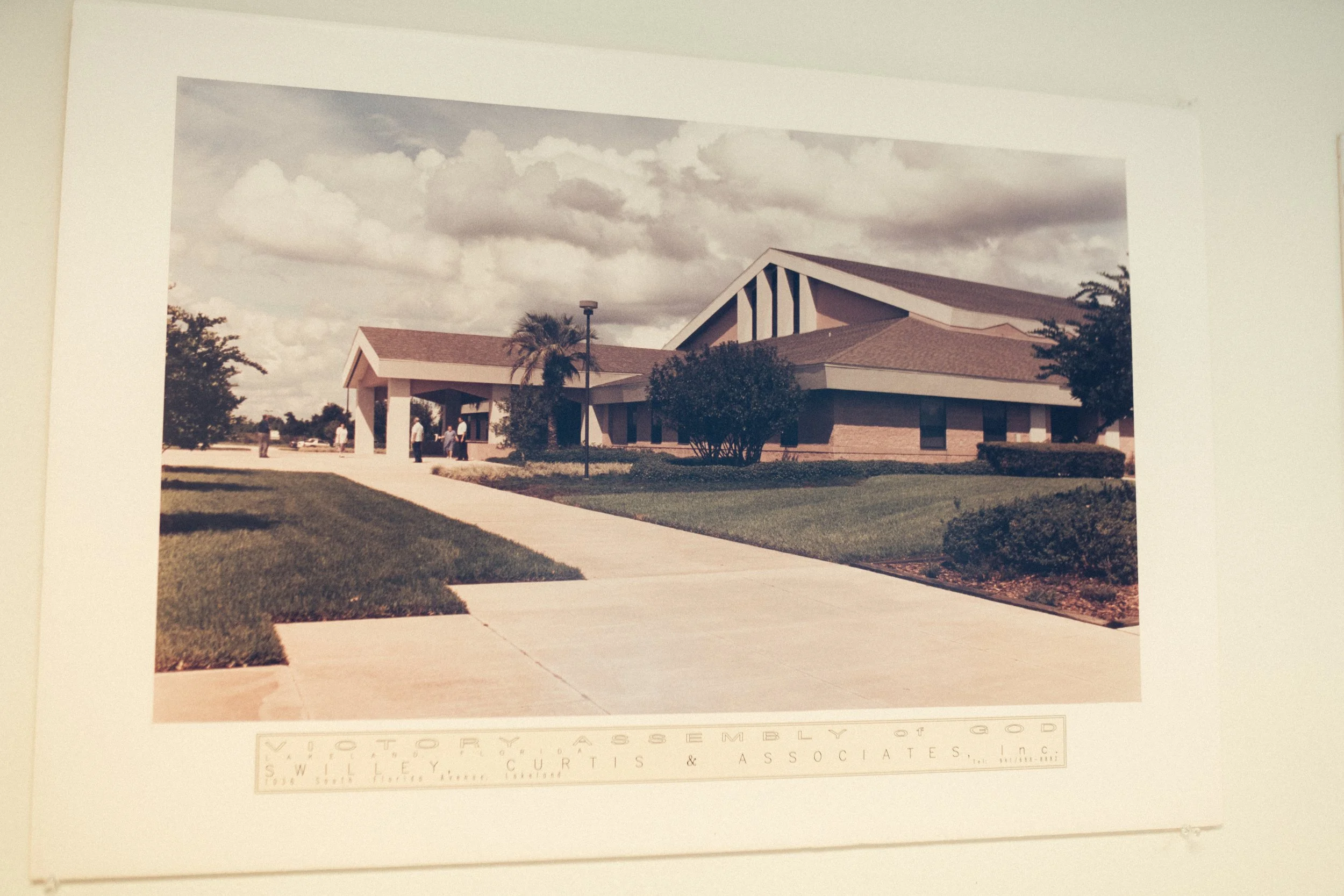
CMHM Architects was contracted by Victory Church to build its sanctuary in the 1990’s and recently the firm was hired to do extensive research and upgrades to the space. Senior Pastor Wayne Blackburn loving refers to John Curtis as ‘‘ my Methodist architect.’’
THE JOY OF COMPLEXITY
When asked what excites him after more than five decades in the field, Curtis points to the endless learning opportunities inherent in his job. He thrives on projects that bring “something new” to the table.
His personal favorite projects are houses of worship, citing the “intimate” involvement of the client—and he jokes that longtime Victory Church senior pastor Wayne Blackburn has occasionally referred to him as “my Methodist architect.”
But he speaks just as passionately about industrial work. Designing facilities for Flowers Foods or Carpenter Company requires CMHM to become instant experts in the client’s operational process to “wrap a building around it.” This need to constantly master a client’s business, whether it’s the logistics of baking Dave’s Killer Bread or the specific needs of a church sanctuary, is what keeps the job stimulating. The firm’s expertise in the baking industry, for example, has even led them beyond Florida to design a bakery in Jamaica for the National Baking Company—a testament to the reach of quality-driven referrals.
EVOLVING WITH EXPERIENCE
While John Curtis may not be a digital native, the firm is far from stagnant in its approach to technology. CMHM is actively working on how to integrate new tools, including its digital receptionist that has been surprisingly well received by clients.
Yet, Curtis and his leadership team are clear about the limits of technology. He notes that AI “doesn’t do nuance very well,” and “nuance comes from experience.” For the complex, client-facing work of architecture, human experience and communication—the ability to get a client to “reveal to you what their real needs are”—remain indispensable.
Whether talking about technology or future leadership, CMHM Architects is actively positioning itself for long-term relevance. In addition to long-time partners Ben Mundy, Jr. (who joined in 1981) and C. Keith Hunnicutt (who joined in 1988), the third generation of firm leadership is already in place with Neil Melby, who became a managing partner in 2020. The firm has also continued to bring in new talent, including Guzman and Le.
Guzman sees one challenge to tackle as geographical, suggesting the firm may need to expand further into other Florida communities, perhaps via satellite offices. Curtis adds that they can also leverage their deep expertise in areas like religious facilities and the industrial baking sector to offer specialized, packaged architectural plans to clients in a
wider area.
If you ask Curtis, a proud father to two daughters and one son, about a retirement date he might tell you that this remarkable era could tentatively end for him around 2030, but his legacy is cemented.
The principles he established—excellence in design, transparency in business, and a focus on people—have been programmed into the firm’s DNA.
CMHM Architects has proven that a traditional approach to quality can still be a sure path to long-term success, ensuring the firm remains a strong, ethical, and aesthetically-minded builder of Lakeland—and many other geographic regions—for generations to come.