
Divine Design in the Digital Age
How SEU is Embracing Culture and Creating New Pathways Beyond the Traditional University Experience
DEVELOPED IN PARTNERSHIP WITH AND PHOTOS PROVIDED BY SOUTHEASTERN UNIVERSITY

If you think the college experience is defined by four years of lecture halls and carefully ensuring you have met the pre-requisites for courses hardly related to your major, then you either need to put your scrapbook away or set up an appointment with someone at Southeastern University to see a future that is at everyone’s fingertips, regardless of their age or occupation.
The 91-year-old Christian university continues to navigate an ever-evolving era in higher education where industry certifications, masterclasses, and online alternatives compete with traditional degrees—and the school and its leaders are up to the challenge.
To remain true to its mission of helping each student understand and activate their unique Divine Design, SEU isn’t just changing its curriculum, it is fundamentally rethinking how students are formed.
One way to understand this shift comes from a simple coffee analogy offered by Rev. Dr. Anthony Roberts, vice provost of academic administration and professor of Christian Theology.
“In the competency-based education (CBE) model, the faculty member is more like a Sherpa or a mentor,” he says. “We’re making ‘cold brew coffee.’ Rather than forcing things out of students—like a standard espresso—we’re pouring ideas and questions over them. Slowly, over time, that allows things to come out that they actually have had inside them all along.”
In 2025, SEU launched CBE programming, a modern approach to helping students become competent, and even masters, of the skills that will allow them to integrate successfully into careers and into the communities they live.
When a student—whether they are a seasoned pastor interested in earning a Master of Arts in Theological Studies or Ministerial Leadership, or someone with a full-time job who is looking for a pathway to a career in computer science—can demonstrate that they have already acquired a competency, they don’t need to spend weeks relearning the basics. They can progress at their own pace, making education both more accessible and significantly more affordable.
Some CBE programs at SEU follow a standard pricing structure, and others are available through a monthly subscription model. A degree can generally take between 12 and 36 months to complete depending on a student’s current competency and the amount of time they are dedicating to coursework. The new Abridged Bachelor’s in Computer Science, which is a CBE program, is also the university’s first offering of a bachelor’s degree that requires 90 credit hours of coursework instead of a standard 120.
For a liberal arts institution like SEU, this evolution—along with others such as expansion to partner sites across the globe—brings up a critical question: Can a university with such a well-defined mission embrace efficiency without losing its heart and soul? There can be a common narrative that programs like CBE are purely “transactional”—a cold, automated exchange of tuition for a credential or a degree.
SEU’s Vice Provost for Digital Strategy Justin Rose is quick to push back against that narrative.
“Obviously, we have to guard against transactionalism,” Rose explains. “We absolutely cannot lose that character formation, that moral formation, that whole-person development. That’s our mission.”
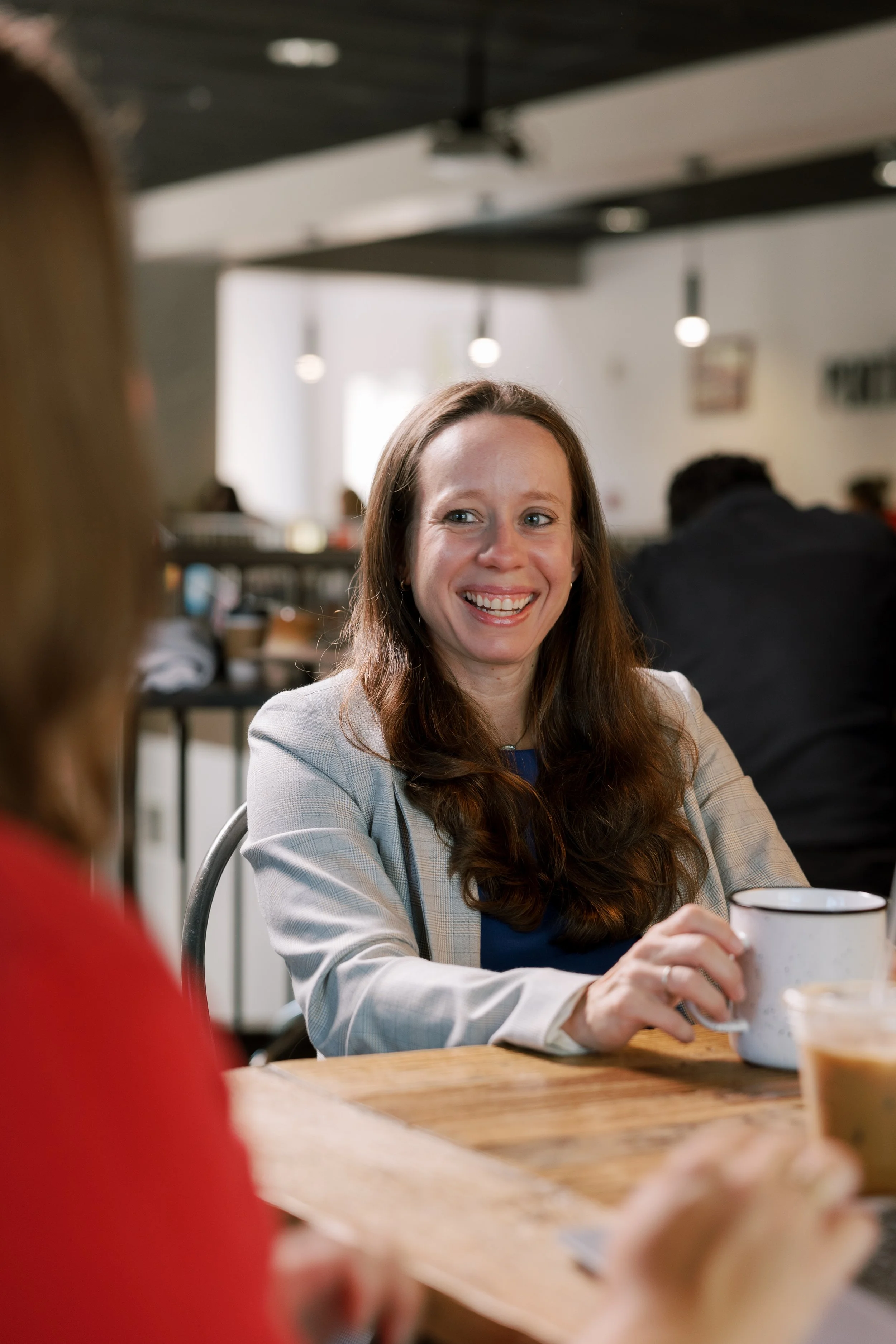

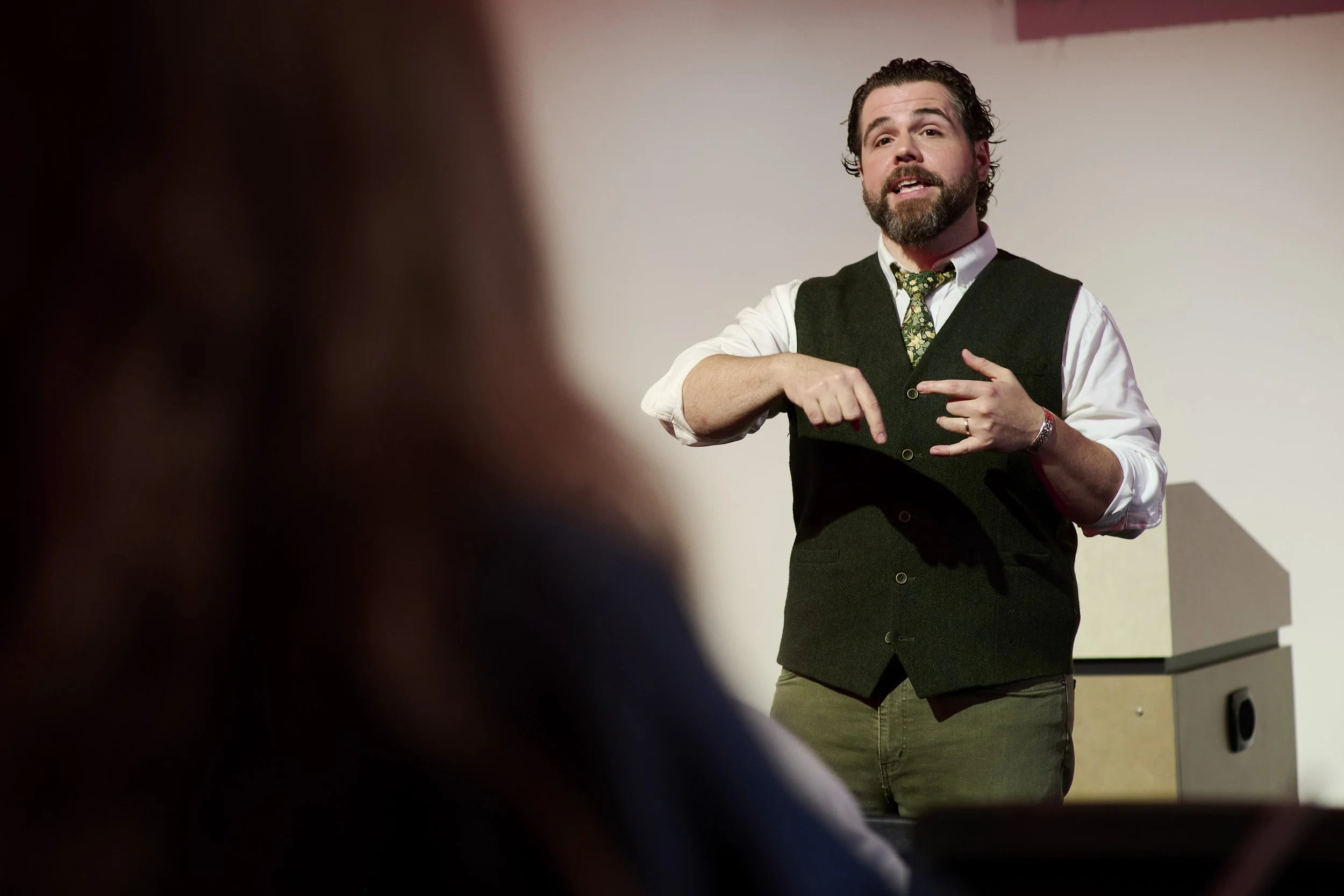
The CBE programs aspire to do just that through frequent one-on-one engagement with students, as well as assignments that include real-world implementation where students build artifacts that demonstrate their competencies.
Roberts noted that CBE can look vastly different depending on what discipline a student is pursuing their degree in.
Rose and other technology-focused staff at the university continue to build out and refine a robust online platform that identifies a path that is specific to each student, such as whether someone needs to engage with more foundational literature or a student is ready for an accelerated track.
“CBE is not something that can just be turned on like a light switch,” Rose notes. “It’s actually quite a rigorous exercise. So, although it’s an affordable alternative to the traditional on-campus classroom experience, it does require a significant investment [for the university to execute at a high level].”
Ultimately, none of SEU’s newer and more innovative approaches to education are about chasing trends—they are about stewardship of the opportunity to make a lasting impact. Whether it’s a pastor in the pulpit or a developer writing code, SEU believes that by pairing their mission-driven liberal arts heritage with the flexibility of new options like the CBE model, they aren’t just surviving the changing tides of higher education—they are shaping them.
SEU Continues to Innovate
A new minor in Influencer Marketing is launching this fall. Stay relevant and informed in the field of modern marketing. Learn about the business of influencer marketing, agency operations, talent management, brand partnerships, FTC compliance and more.
Learn more at SEU.edu/divinedesign