
Emergency: What To Know Before You Go To the ER
DEVELOPED IN PARTNERSHIP WITH LAKELAND REGIONAL HEALTH
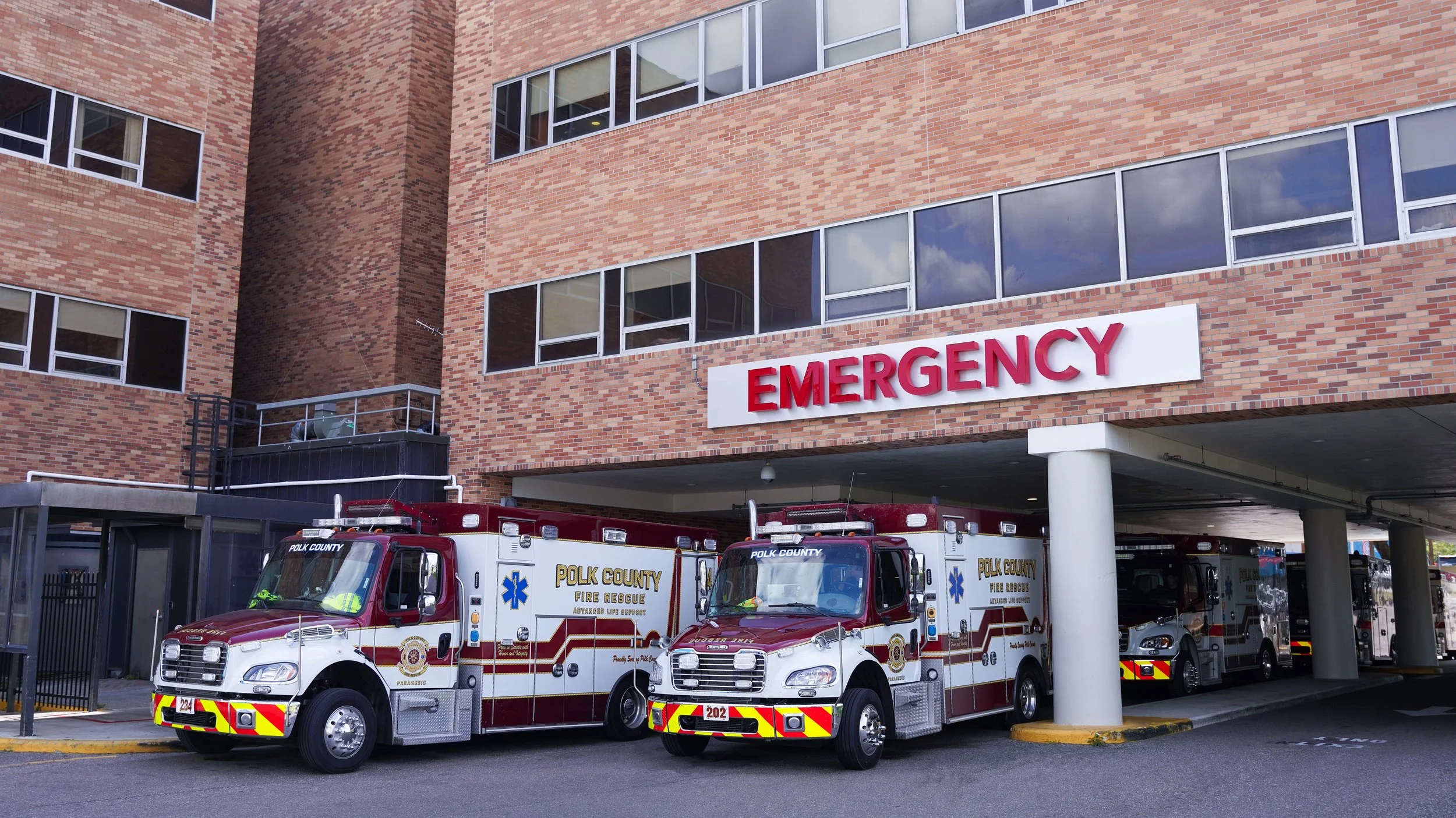
When Whitney Theard heard her son Jaylen call for her, her mom instincts told her immediately that something was wrong.
She ran into the bathroom and found Jaylen, 19, on the floor, unable to move. “He was talking to me, but I couldn’t really understand him,” she says. Eventually, she realized he was trying to tell her he couldn’t feel his right side.
Whitney recognized the signs of stroke – facial drooping, weakness, difficulty speaking. She asked him to smile, and when only one side of his face moved, she called 911.
An ambulance took Jaylen to Lakeland Regional Health Medical Center, a Comprehensive Stroke Center, where advanced imaging showed physicians two blood clots on the left side of his brain, which triggered a large vessel occlusion (LVO) stroke.
An LVO stroke is truly one of the occasions when every minute matters. For every 60 seconds that an LVO is untreated, millions of brain cells die—potentially resulting in devastating brain damage or even death.
However, Jaylen’s story has a happy ending. Dr. Sheyar Amin and the stroke team at Lakeland Regional Health immediately treated him with TNK, a clot-busting medication, and then performed an emergency thrombectomy to physically remove the clots.
Just hours later, Jaylen was awake and speaking and moving normally.
NOT ALL EMERGENCY ROOMS ARE THE SAME
There has been a lot of news coverage lately about Lakeland Regional Health Medical Center being named a Level I Trauma Center and earning recognition for its Comprehensive Stroke Center. Those aren’t just plaques that hang on the wall.
Instead, they represent years of investments in people, technology, and resources to ensure that patients in the community have access to the highest level of specialized care when they need it the most.
In an emergency, getting care quickly is critical. But hospitals can differ in the specialists, technology, resources, and advanced services available to care for you.
At Lakeland Regional Health Medical Center, advanced emergency care is backed by expert teams and capabilities available here in Polk County.
POLK COUNTY’S ONLY LEVEL I TRAUMA CENTER
Lakeland Regional Health Medical Center is home to Polk County’s only Level I Trauma Center and one of only 12 in the state of Florida.
To be designated a Level I Trauma Center, a hospital must have specialists and advanced resources available 24/7 to care for adults and children with the most complex injuries. This designation takes years to achieve, and it assures the community that Lakeland Regional Health is a place where patients will receive the highest level of trauma care available.
If emergency medical technicians determine someone is a trauma alert, then they believe that patient’s life is in danger, and the EMTs will head for the nearest trauma center. In Polk, Highlands, or Hardee County, that is Lakeland Regional Health.
COMPREHENSIVE STROKE CENTER
EMTs are trained to recognize the signs of stroke, and they know that a patient’s best chance for recovery is to go to a Comprehensive Stroke Center, the highest level of stroke care certification available. A Comprehensive Stroke Center can provide 24/7 access to the highest level of care for complex strokes and cerebrovascular emergencies.
Lakeland Regional Health Medical Center is Polk County’s first and only Comprehensive Stroke Center.
Clot-busting medications like the one given to Jaylen must be administered within a few hours of the onset of stroke symptoms—so having immediate access to treatment is critically important.
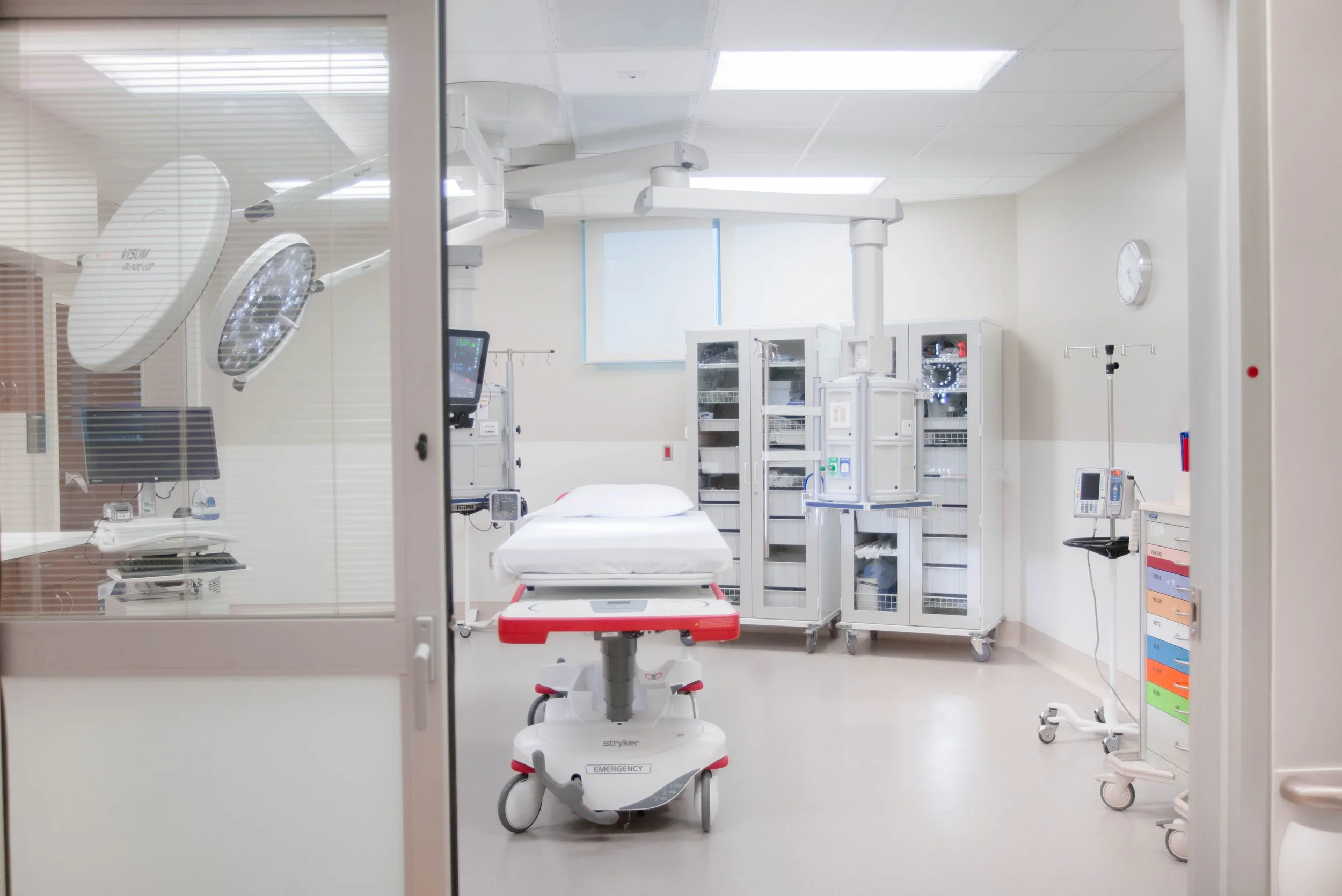
ADVANCED EMERGENCY CARE, RIGHT HERE AT HOME
Emergency care at Lakeland Regional Health extends far beyond trauma and stroke. The Medical Center offers specialized emergency care for the most vulnerable patients and the most dangerous conditions:
Children’s Emergency Department: Lakeland Regional Health is home to Polk County’s only dedicated Children’s Emergency Department on the Medical Center campus. The Children’s ER is staffed with physicians and nurses who specialize in caring for infants, children, and adolescents and who know how to care for kids while making them feel more comfortable.
Obstetrics Emergency Department:
Just around the corner from the Children’s ER, pregnant and postpartum women can receive dedicated emergency care in the Obstetrics ER, which is staffed by OB/GYN physicians and nurses.
Chest Pain Center: Lakeland Regional Health Medical Center is Polk County’s only hospital with the American College of Cardiology’s Chest Pain Center Accreditation with Primary PCI and Resuscitation. Primary percutaneous coronary intervention (PCI), also known as coronary angioplasty, is an emergency procedure to open a blocked artery in the heart without surgery. The accreditation signifies that heart attack patients can receive this lifesaving procedure 24/7, anytime they need it.
ECMO: Lakeland Regional Health Medical Center has Polk County’s only ECMO machine, which provides advanced lifesaving support for critically ill patients with heart or lung failure.
And when an emergency has passed, Lakeland Regional Health can coordinate additional specialty care or rehabilitation with specialists and services across the health system to ensure patients get the care they need when they need it.